
Last updated November 22, 2026
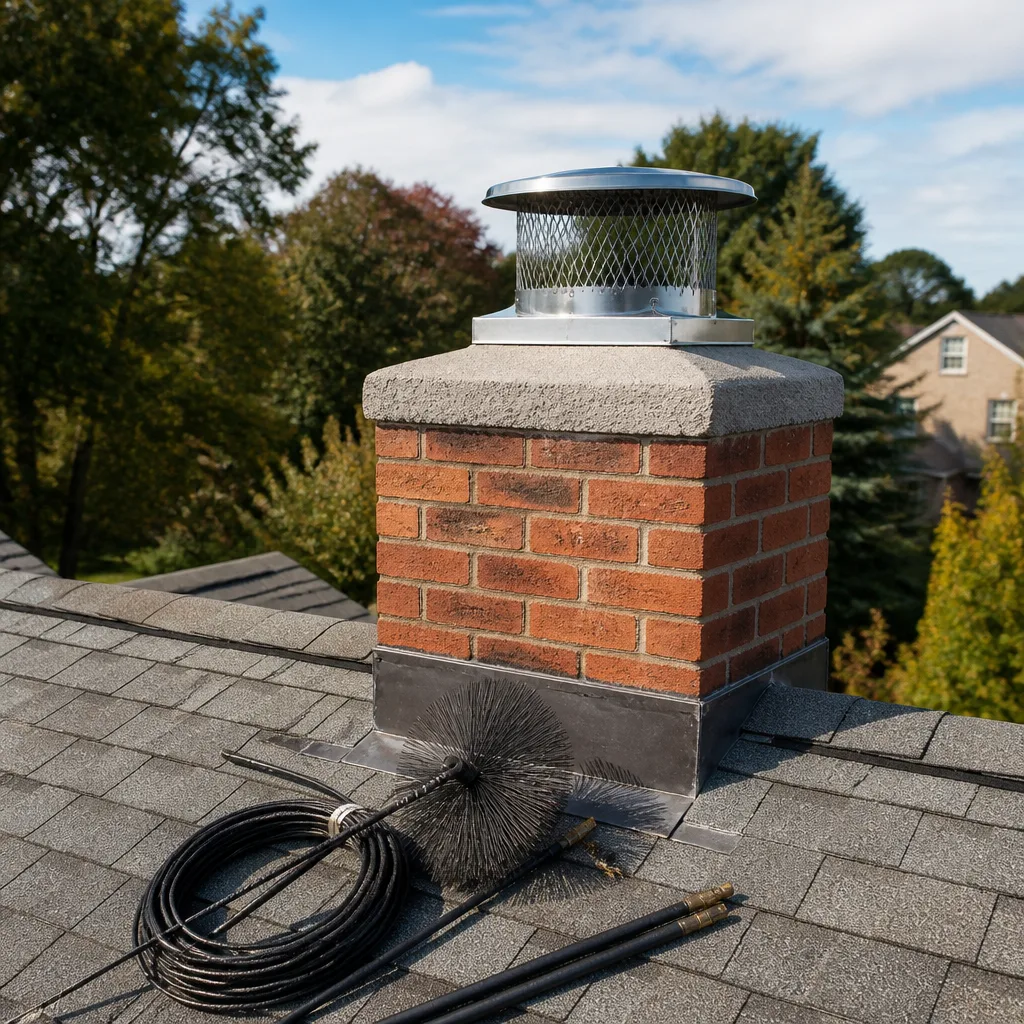 Sweep & inspection
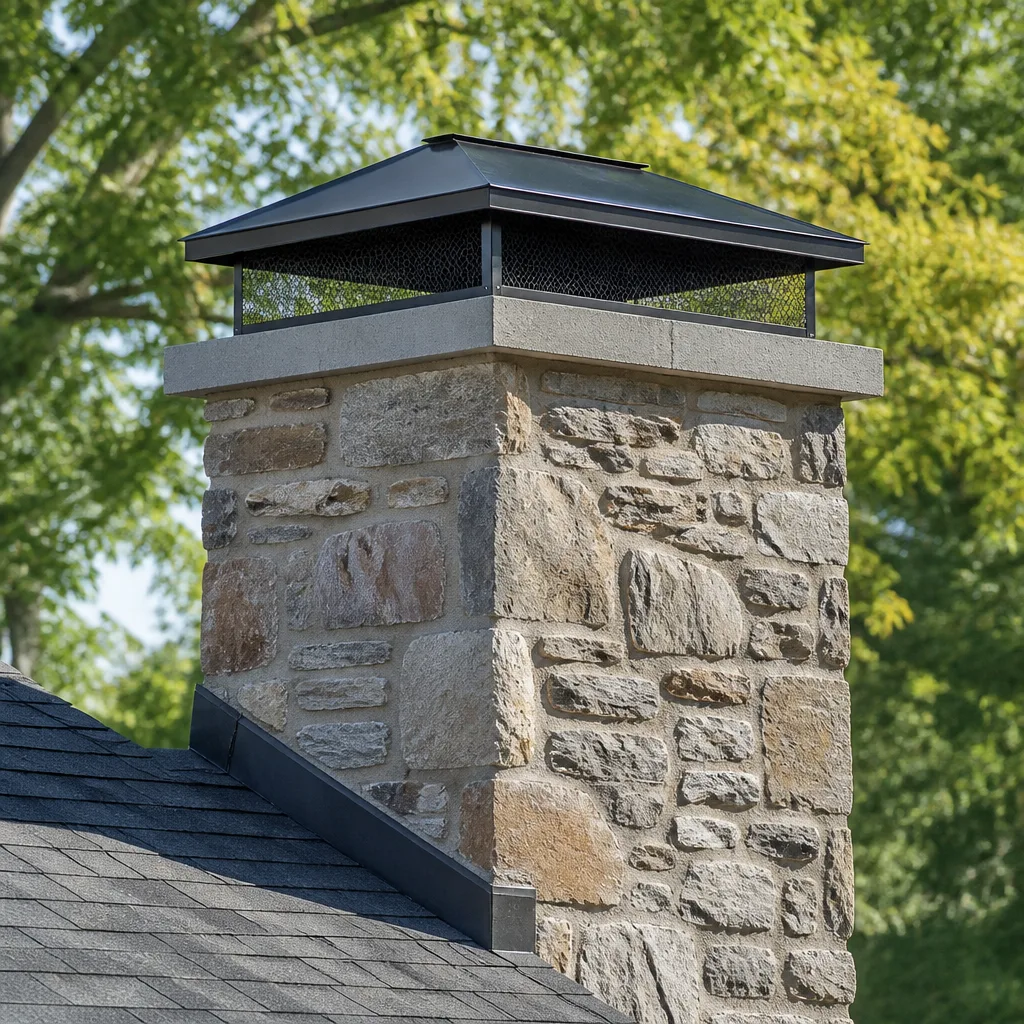 Caps & crowns
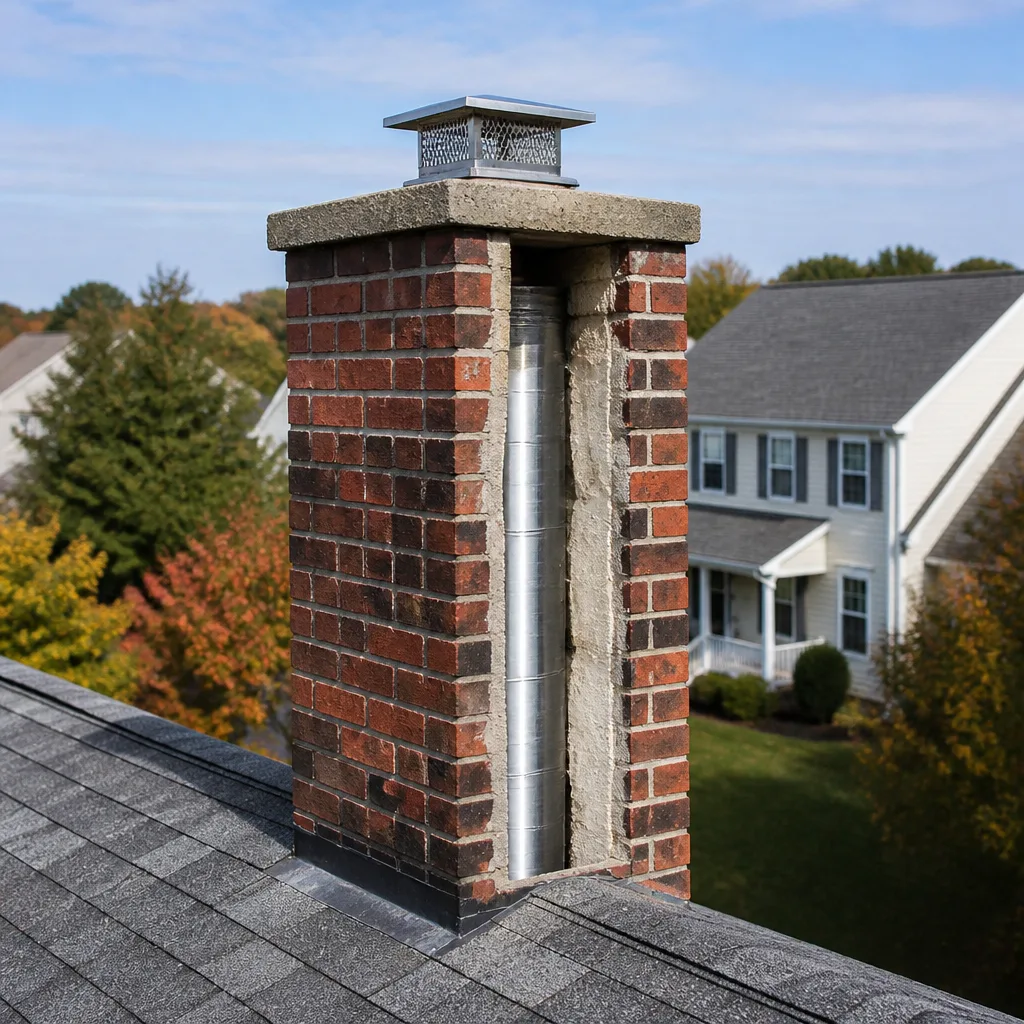 Flue relining
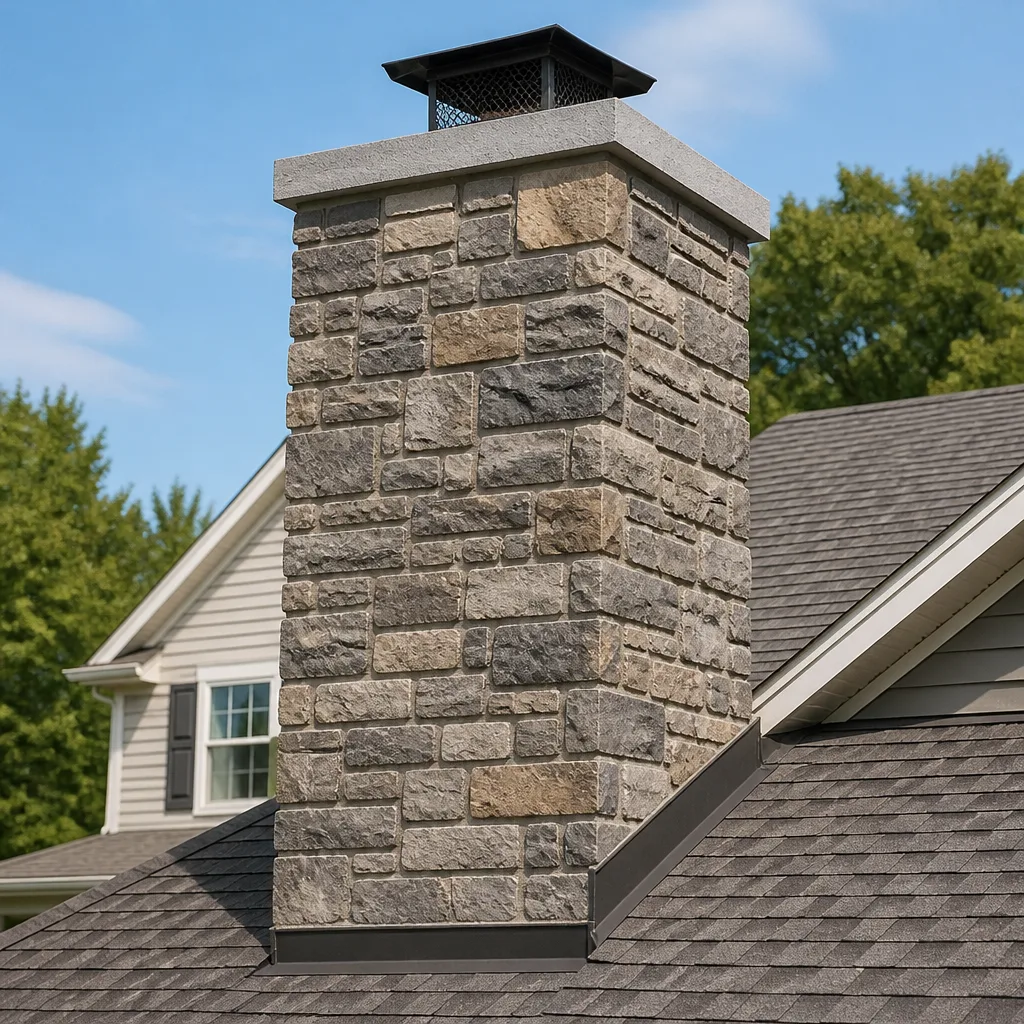 Masonry repair
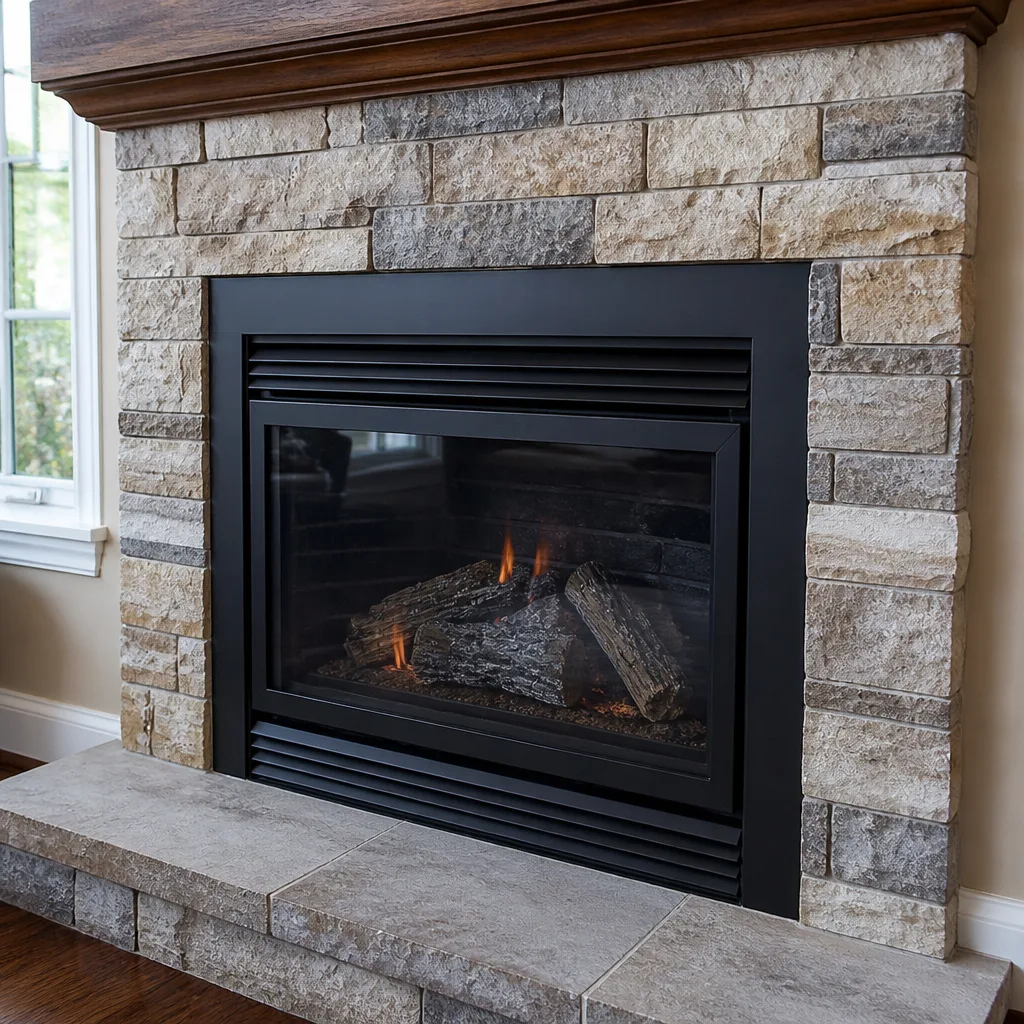 Gas fireplace service
Level 1 sweep and inspection to the NFPA 211 annual standard - flue, crown, cap, and flashing checked and photographed
Chimney sweep logs do not sweep chimneys. They loosen some creosote - which then falls where a brush and vacuum still have to collect it.
Seasonal Chimney Cleaning Care for Frankford: Year-Round Homeowner’s Guide
Most chimney advice lands in October, when the first cold snap sends everyone scrambling for a sweep. That timing is backwards. The chimney that fails in January was usually damaged in March, when freeze-thaw cycles worked water into mortar joints and then expanded it overnight. By the time you notice smoke rolling into the room, the problem has been developing for months. In Frankford, where tight row homes share walls and trap heat, those seasonal swings hit chimney masonry harder than they do in the suburbs. This guide walks through what a Frankford chimney actually needs in each of the four seasons, and why the order of work matters more than the calendar date you book it.
Quick Answer
Chimney care in Frankford works best as a four-season cycle: inspect and sweep in spring after heating season ends, handle masonry and liner repairs in summer when mortar cures properly, run a full pre-season checklist in fall before the first fire, and watch for warning signs mid-winter. The sequencing matters because each season’s work protects the next. A crown repaired in July is what keeps fall rain out of your flue, and a flue swept in spring is what lets you spot liner damage before it becomes a winter hazard.
Styles & brands we work with
- Sweep & inspection
- Caps & crowns
- Flue relining
- Masonry repair
- Gas fireplace service
Table of Contents
- Spring: What to Check When Heating Season Ends
- Summer: The Best Window for Masonry and Liner Work
- Fall: The Real Pre-Season Checklist
- Winter: Mid-Season Warning Signs
- How Frankford’s Housing and Climate Change the Math
- Common Mistakes to Avoid
- When to Call a Professional
- Frequently Asked Questions
Spring: What to Check When Heating Season Ends
Spring is the diagnostic season. The heating season has just finished, which means the flue is still carrying the residue of every fire you burned since October, and the freeze-thaw damage from winter is now visible without snow cover. This is the best time of year to book a chimney sweep, because a technician can see creosote buildup clearly and can inspect the exterior masonry before summer growth hides the cracks. Waiting until fall means inspecting a chimney that’s had six more months to deteriorate.
Here’s what a spring assessment should actually cover:
- Creosote inspection while the flue is still seasoned. Creosote that’s been sitting all winter tells a technician more about your burning habits than a fresh flue ever could. Glazed, tarry creosote is a fire risk; sooty, flaky creosote is easier to remove but still needs to go.
- Water intrusion check. Winter freeze-thaw is the quiet destroyer. Water gets into hairline cracks in mortar, expands overnight, and widens the crack. By spring, that damage is measurable. Look for efflorescence (white chalky staining) on exterior brick, which is a sign moisture is moving through the masonry.
- Crown and cap inspection. Ice sitting on a crown or cap through the winter is the most common cause of cracking. A cracked crown lets water straight into the chimney’s interior, where it damages the flue liner and the firebox. This is also the season to check the chimney cap & crown, since a damaged cap is easy to replace before the nesting season begins.
- Damper operation. A damper that stuck through the winter may need lubrication or a replacement. Test it before it becomes a spring problem.
If the inspection turns up damage, that’s fine. Spring is when you want to find it, not January. Repairs can be scheduled into summer, when conditions favor the work.
Summer: The Best Window for Masonry and Liner Work
Summer is the repair season, and the reason is chemical, not just practical. Mortar needs time and consistent temperatures to cure properly. A crown poured in July and allowed to cure over several warm, dry weeks is a stronger crown than one patched in October and immediately subjected to freeze-thaw. The same logic applies to chimney liner installation: cement-based products need stable conditions to set, and a summer installation has weeks to fully cure before the first fire.
Liner work is where the seasonal timing pays off most. A deteriorated clay tile liner can’t just be ignored because a chimney still drafts – a compromised liner allows combustion gases, including carbon monoxide, to migrate into the home’s structure. The fix is either relining with a stainless system or restorative repair. For moderate liner damage, a ceramic repair process like HeatShield can restore a deteriorated flue without a full reline – a specialist solution that sweep-only companies can’t offer, and one best applied in summer when the material has time to cure fully.
Full relining with a stainless system is the heavier option, used when the existing liner is beyond restoration. Professional liner products like Olympia Chimney and Gelco are built for this kind of work, and they’re what a chimney-only specialist would specify. Sweep-only operations don’t carry these lines because they don’t do liner work. If your spring inspection turned up liner damage, summer is when the work happens.
Masonry rebuilds and chimney repair also belong in summer. A deteriorated chimney chase, spalling brick, or crumbling mortar can be rebuilt in warmer months and be ready for fall. Doing this work in summer also has a practical benefit: scheduling is easier, because you’re not competing with every other homeowner in Frankford who waits until October.
Fall: The Real Pre-Season Checklist
Fall is when most people think about their chimney, and it’s a good time – just not for the reason most people assume. Fall isn’t the time for major repairs. It’s the time for the final safety pass. If you’ve done spring and summer work, the fall checklist is about confirming the system is ready, not fixing what’s broken.
Here’s what a proper pre-season checklist includes:
- A cleaning if you haven’t had one since spring. Not every home needs two sweeps a year. Homes burning regularly through the winter often do. A homeowner who burned a handful of fires may not. Check with the technician whether your use level warrants a fall clean.
- A Level 1 inspection. This is the standard visual inspection with the tools a technician needs to see the accessible parts of the flue, firebox, damper, and exterior. It confirms nothing has changed since summer. If the summer work is done, the fall inspection is a pass/fail check.
- Damper test. Open and close the damper fully. It should move smoothly and seat correctly. A damper that sticks open wastes heat and lets cold air down the flue; one that sticks closed lets smoke back into the room.
- Cap screen clearance. This is the check that catches fall’s biggest threat: nesting material. Birds and squirrels look for shelter in early fall, and a chimney cap with a wide-screen mesh is an attractive cavity. Clear any debris from the top of the cap and make sure the screen isn’t blocked. A clogged cap screen is one of the most common causes of smoke rollout when a fire is first lit.
- Creosote level check. If you haven’t burned since spring, a quick visual on the flue tells the technician whether buildup has changed.
Frankford row homes often have shorter flues than freestanding suburban chimneys because the roofline is higher relative to the firebox. This means draft is often marginal to begin with, and a partial cap screen blockage that would be minor in a tall suburban flue can cause actual smoke problems here. Fall cap checks matter more in this housing stock than most homeowners realize.
Winter: Mid-Season Warning Signs
Once the heating season is underway, the goal is early detection. A problem caught in December is cheaper and safer than the same problem caught in February. What you want to watch for is a change from the baseline – the way the chimney behaved in November.
Stop using the fireplace and call for an assessment if you notice any of these:
- Smoke rolling back into the room. Some smoke on startup is normal; smoke that continues rolling back after the fire is drawing well is a sign the flue is obstructed or the draft has changed. A blocked flue from a late-fall bird nest is a common cause.
- A change in odor. A chimney that starts smelling stronger or different mid-winter often indicates increased creosote load. The creosote smell isn’t just unpleasant – it’s a signal the flue needs cleaning before the next fire.
- Unusual sounds. A rattling sound when the wind blows is often a loose cap; a popping or crackling from the masonry can indicate a crack has opened after a freeze event.
- Visible water or staining on the firebox or chimney breast. Water in the firebox is never normal in winter and usually points to a failed crown or flashing.
- Headaches or drowsiness when the fire is burning. Any suspicion of carbon monoxide warrants stopping the fire immediately and calling for a professional inspection. This is the one warning that should never be second-guessed.
Get in the habit of checking the firebox before lighting. A quick look for creosote flakes, dark staining, or a change in the firebox surface takes seconds and catches early problems.
How Frankford’s Housing and Climate Change the Math
Frankford isn’t a generic suburb, and the seasonal advice that works for a freestanding house on a half-acre doesn’t fully apply here. Two local factors change the picture: the urban heat island and row-home density.
The urban heat island effect means Frankford runs warmer in summer and – counterintuitively – experiences more aggressive freeze-thaw cycles in winter, because daytime warmth causes snowmelt that refreezes at night. That repeated freeze-thaw is what cracks mortar and spalls brick. A chimney that would weather slowly in a cooler, more stable climate deteriorates faster in Frankford’s shoulder seasons. This is why spring exterior inspections matter more here, and why crown repairs done in spring and summer hold up better than the same repairs done in fall – the repair has a full curing season before the next freeze-thaw cycle.
Row-home density affects two things: moisture and nesting. Row homes share walls, which means the brick on an interior-facing chimney doesn’t dry out the way a freestanding chimney does. Moisture trapped in shared masonry takes longer to escape, so water intrusion from a failed crown or cap travels further before it shows. This is why, in our experience, Frankford chimney problems are often deeper in the masonry than the exterior first suggests.
Nesting also works differently. Row-home rooflines create more accessible cap locations and more sheltered cavities near rooflines, which makes fall cap clearance a higher-priority check in this housing stock. Small birds find their way into chimney caps with surprising regularity in dense neighborhoods, and the first sign is often smoke rollout on the first cold night.
If you’ve recently bought an older Frankford property, a full system assessment before the first fire is worth the time. Older homes often have clay tile liners that were compliant when built but now have decades of freeze-thaw stress behind them. You can’t tell the condition of a liner from the firebox; you need a proper inspection. Call (833) 962-9222 to book an assessment. We answer 24/7. Fast dispatch from 7am to 7pm, Sunday through Friday.
See the difference
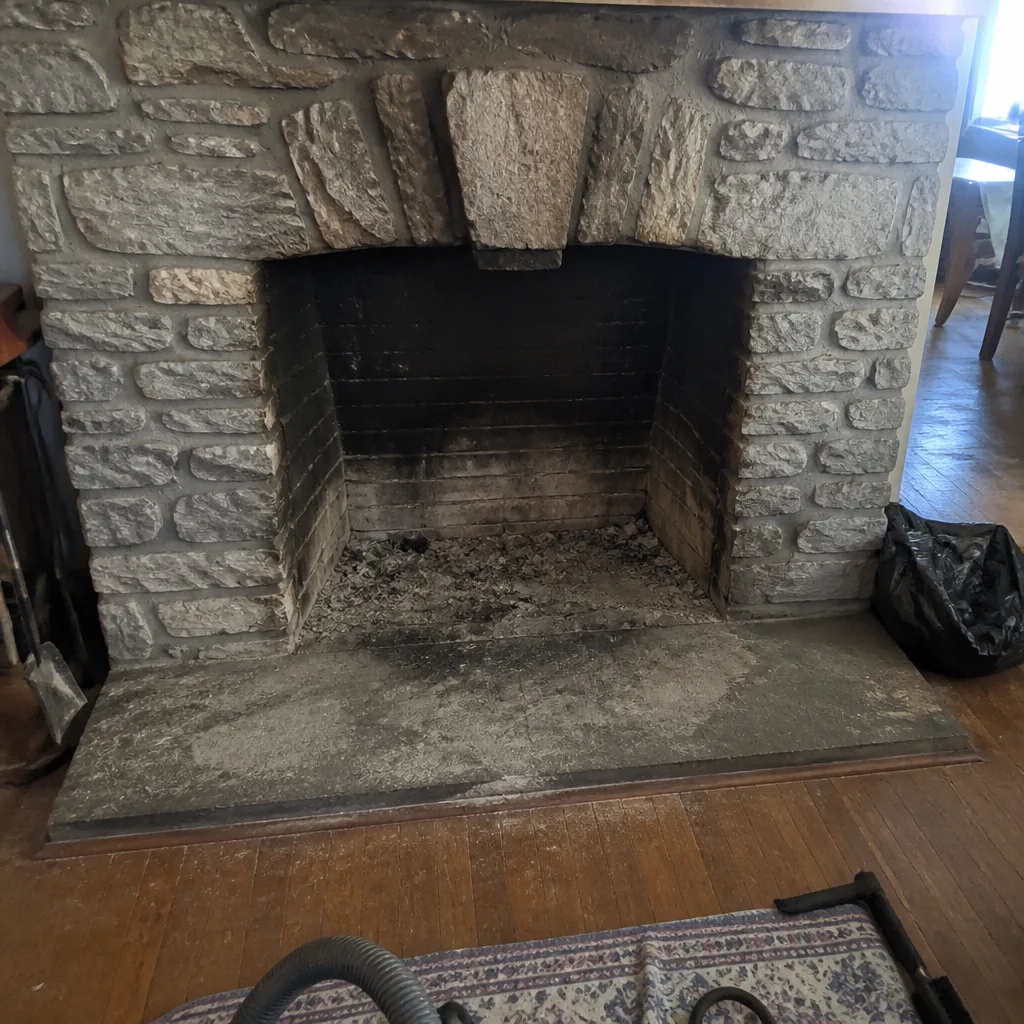 Before
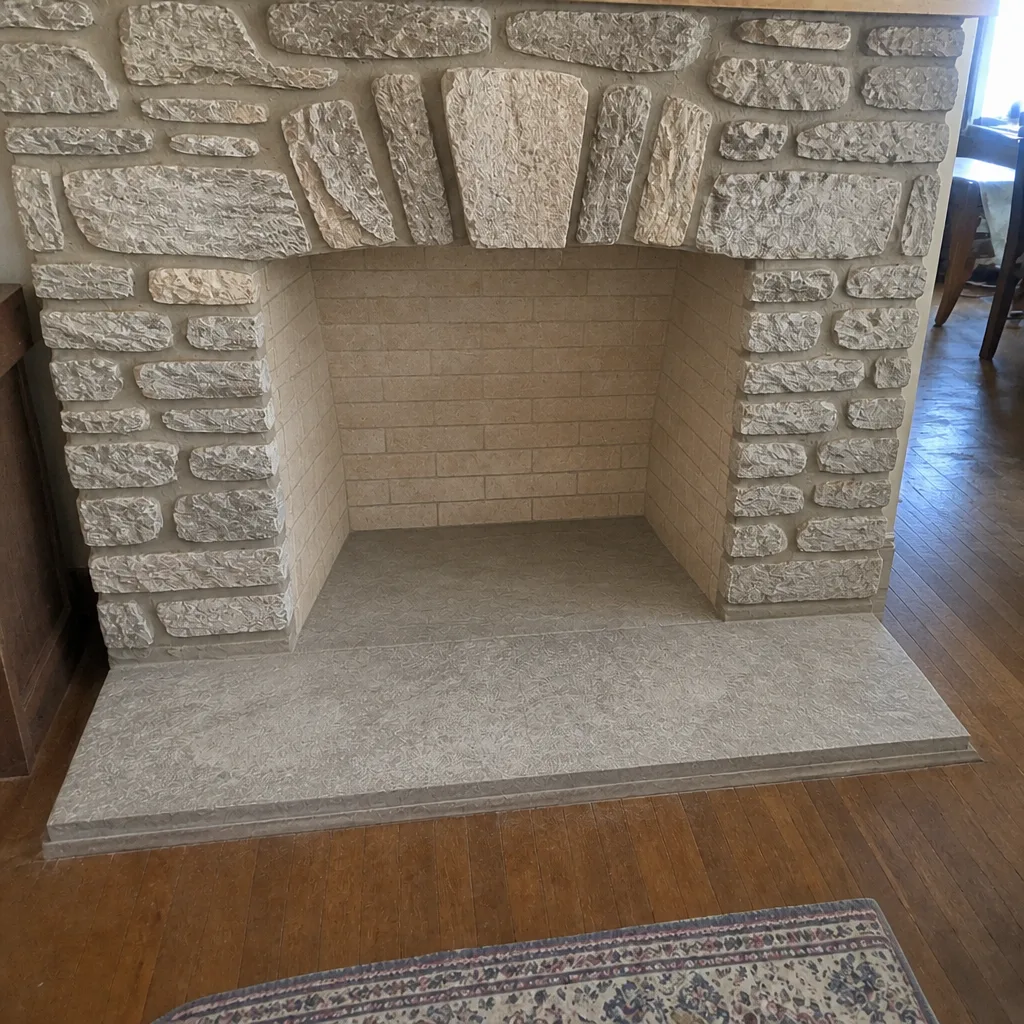 After
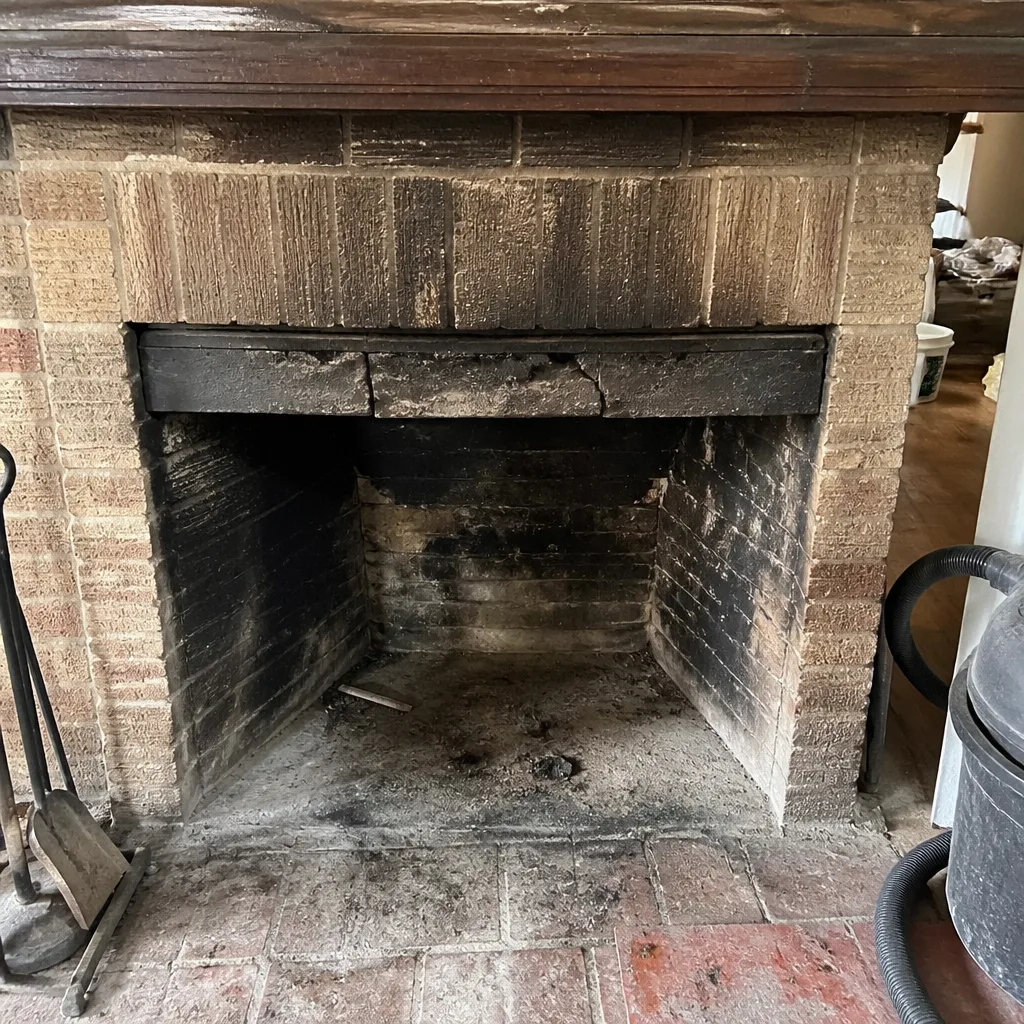 Before
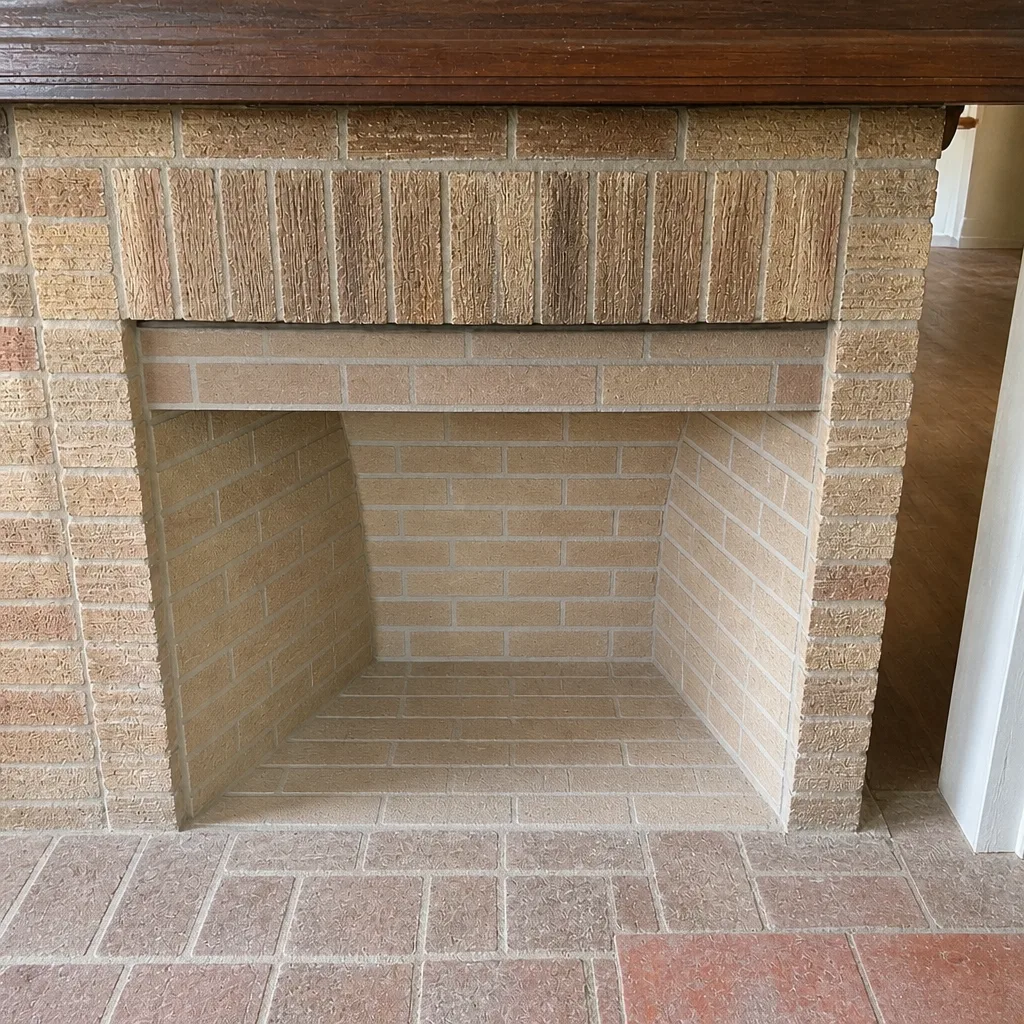 After
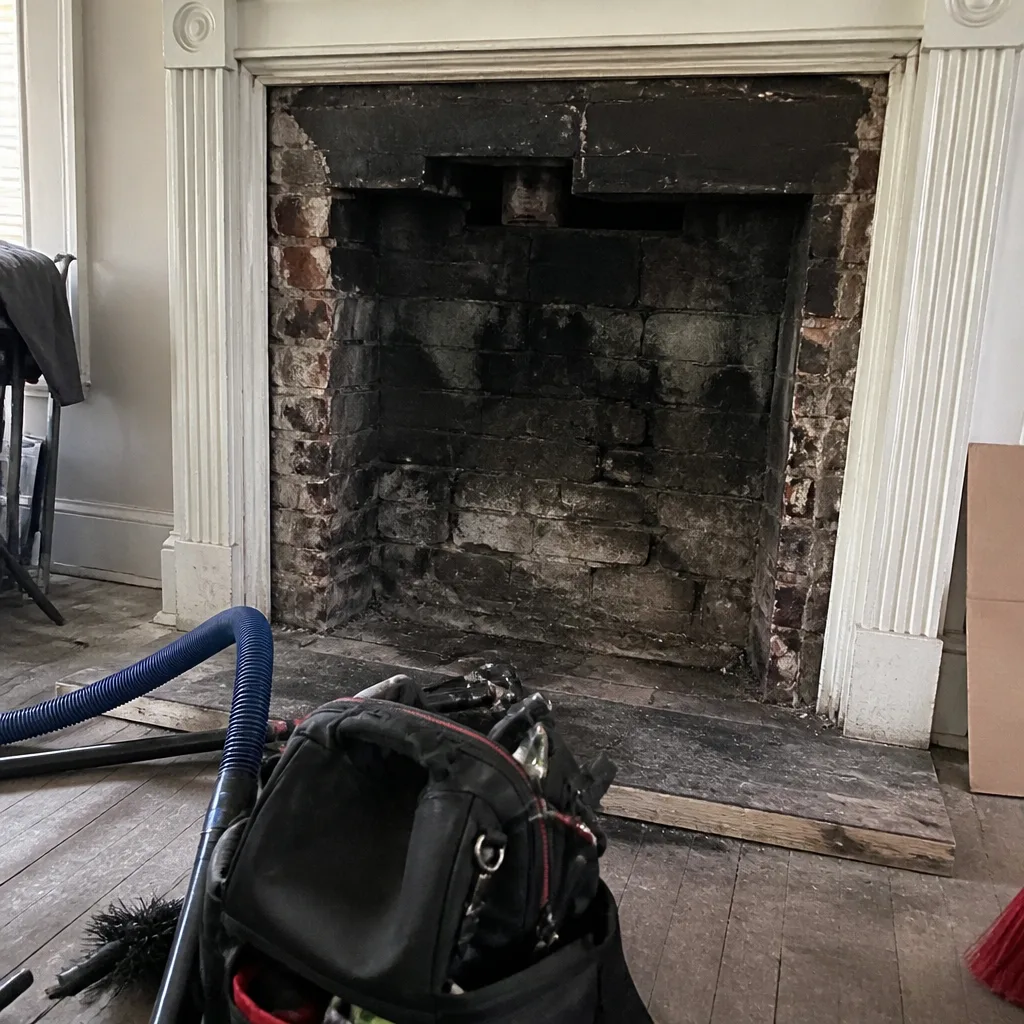 Before
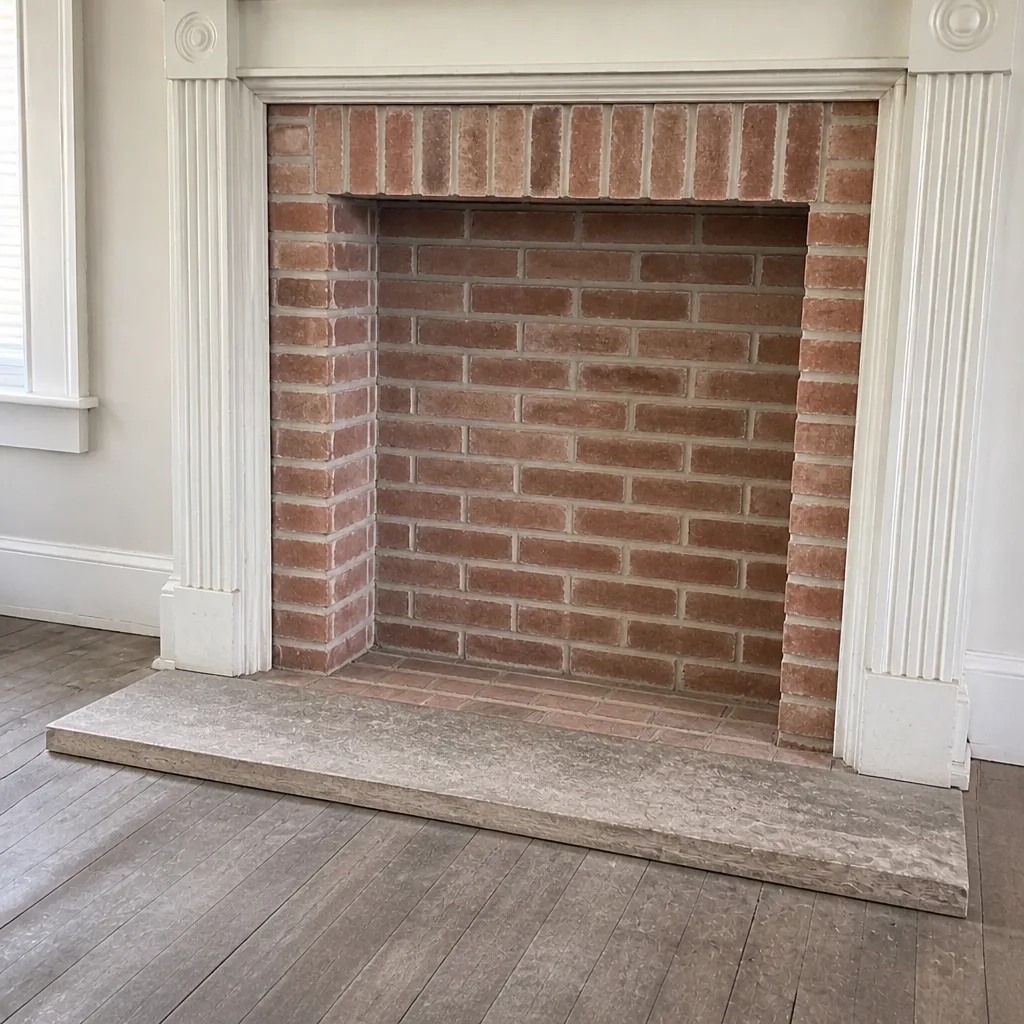 After
Common Mistakes to Avoid
These mistakes show up repeatedly, especially in dense urban housing stock where the seasonal cues are easy to miss.
- Assuming fall is the only season that matters. The warning signs that send people to a chimney sweep in fall are almost always rooted in damage that happened in spring and summer. Fixing them in fall works, but it’s fixing them at the worst possible time – the week before you want to light the fireplace, when scheduling is tight and there’s no margin for curing.
- Skipping the summer repair window. A crown or liner repair done in summer has weeks or months to cure before the first fire. The same repair done in late fall is racing the cold. Homeowners who wait pay in scheduling pressure, not just in price.
- Treating creosote as a fall-only concern. Creosote that’s been building all winter is more likely to be glazed and harder to remove than a fresh deposit. A spring sweep catches the buildup when it’s easier to handle.
- Ignoring cap screen clearance until smoke shows up. A blocked cap screen caused by fall nesting is preventable with a single check. If you live in a dense Frankford neighborhood, this is a check worth repeating in mid-fall, not just once.
- Assuming a chimney that drafts well is safe. A chimney can draft well and still have a deteriorated liner that’s allowing gases into the structure. Good draft is not a safety check; an inspection is.
- Burning unseasoned wood to extend the season. Wet wood burns cooler, which means more creosote per fire. If you’re stretching a cord into winter, make sure it’s been properly seasoned. This matters more for a Frankford chimney because shorter flues often run cooler than a taller suburban flue.
- Waiting for a visible problem before booking. The chimney problems that are cheapest to fix are the ones you can’t see without a camera inspection.
When to Call a Professional
Some things are worth doing yourself. Chimney work generally isn’t. Book a professional when the situation involves the roof, the liner, or the firebox interior – anything that requires a trained eye and the right tools. Specifically:
Call a specialist if your chimney hasn’t been inspected in over a year, if you’ve noticed any of the winter warning signs, if the masonry shows efflorescence or visible cracking, or if you’ve just moved into an older Frankford home and haven’t had the system assessed. Also call if the damper sticks, if the cap screen is blocked, or if you’ve noticed creosote flaking off the flue tiles. Chimney Sweep Frankford offers free estimates in Frankford – call (833) 962-9222. We answer 24/7, and dispatch runs 7am to 7pm, Sunday through Friday. From annual sweep to full liner rebuild, one specialist handles it start to finish, so you’re not coordinating between a sweep and a mason.
Frequently Asked Questions
The National Fire Protection Association standard is a Level 1 inspection annually and a sweep based on the creosote level found. In practice, most homes burning regularly through the winter in Frankford need a sweep once a year, often in spring after the last fire. A home that burns occasionally may go a season without a full sweep but should still have the annual inspection. Call (833) 962-9222 to book a spring sweep, and we’ll tell you honestly whether you need it.
Creosote builds up on the flue walls. In mild form, that reduces draft and efficiency. In glazed form, it’s a fire risk, because creosote ignites at temperatures the flue can reach during an active fire. The bigger risk over time is that a skipped year means a skipped inspection, which means a developing liner crack or crown failure goes undetected. The chimney may still work fine, which is the trap – the problem is invisible until it isn’t. Call (833) 962-9222 for a full inspection; the estimate is free.
You only need a new liner if a proper inspection shows the existing one is failing. The most common signs are cracked clay tiles, gaps between tiles, or spalling on the flue interior. Some liners can be restored with a ceramic repair process like HeatShield, which is a specialist option not offered by sweep-only companies. Others are beyond restoration and need a stainless relining system. You can’t decide this by looking up the firebox – you need a camera inspection. Call (833) 962-9222 to schedule one; you’ll see the photos yourself before any work is recommended.
Yes. Summer is the best season for masonry and liner work because mortar and cement-based repair materials need time to cure at stable temperatures. A summer repair has weeks to fully set before the first fire. A late-fall repair of the same type is racing cold weather, which can compromise the cure. Summer is also easier for scheduling. Call (833) 962-9222 to get an estimate booked in the summer window.
We don’t publish fixed prices here because chimney work varies by the condition of the system – a straightforward sweep on a clean flue is not the same job as a sweep plus a Level 1 inspection on a chimney with heavy creosote. The written estimate sets the final price, and the estimate itself is free. Call (833) 962-9222 for an exact quote.
A quick visual check is useful for catching changing conditions, like smoke rollout or visible water staining. What a visual check can’t do is inspect the flue interior, verify liner condition, or test the damper fully. Those require the right tools and a trained eye. A visual check catches symptoms; a professional inspection diagnoses the system. Call (833) 962-9222 if anything looks off – the estimate is free.
The Bottom Line
Seasonal chimney care in Frankford isn’t about the annual sweep date. It’s about sequencing. Spring inspection catches the freeze-thaw damage from winter, summer is when that damage gets repaired with time to cure, fall is the confirmation check before the first fire, and winter is about watching for changes. Homes in Frankford’s dense row-home stock benefit from a closer eye on cap clearance and water intrusion than suburban chimneys do, because shorter flues and shared walls change the failure modes. If your spring inspection is overdue, that’s the place to start. Chimney Sweep Frankford covers the full system – sweep, cap and crown, liner and rebuild, and fireplace repair – using professional-grade product lines like DuraFlex, Famco, and Olympia Chimney. Call (833) 962-9222 for a free estimate. We answer 24/7, and dispatch runs 7am to 7pm, Sunday through Friday. For a chimney and fireplace specialist who handles the whole job from start to finish, start with a Chimney Sweep Frankford assessment and get the system diagnosed properly.
Written by the team at Chimney Sweep Frankford.