
Last updated November 22, 2026
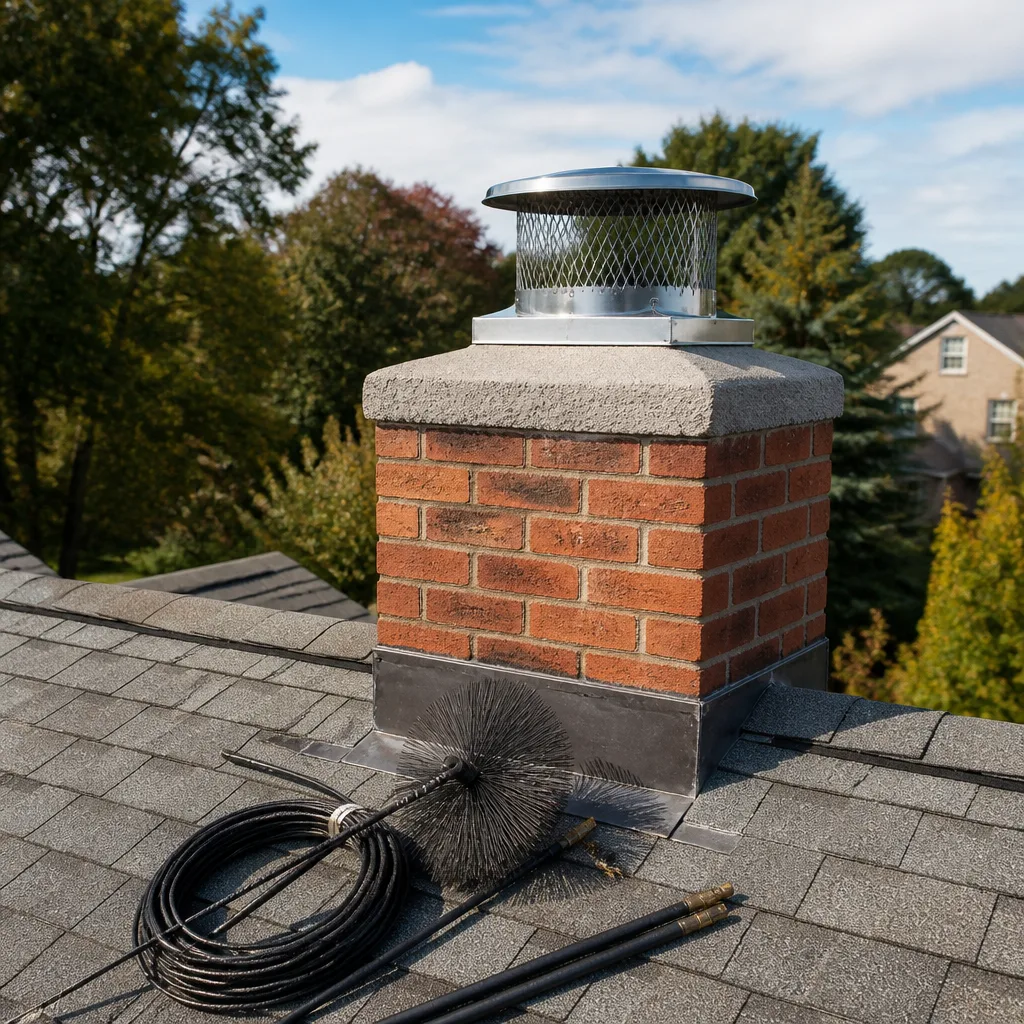 Sweep & inspection
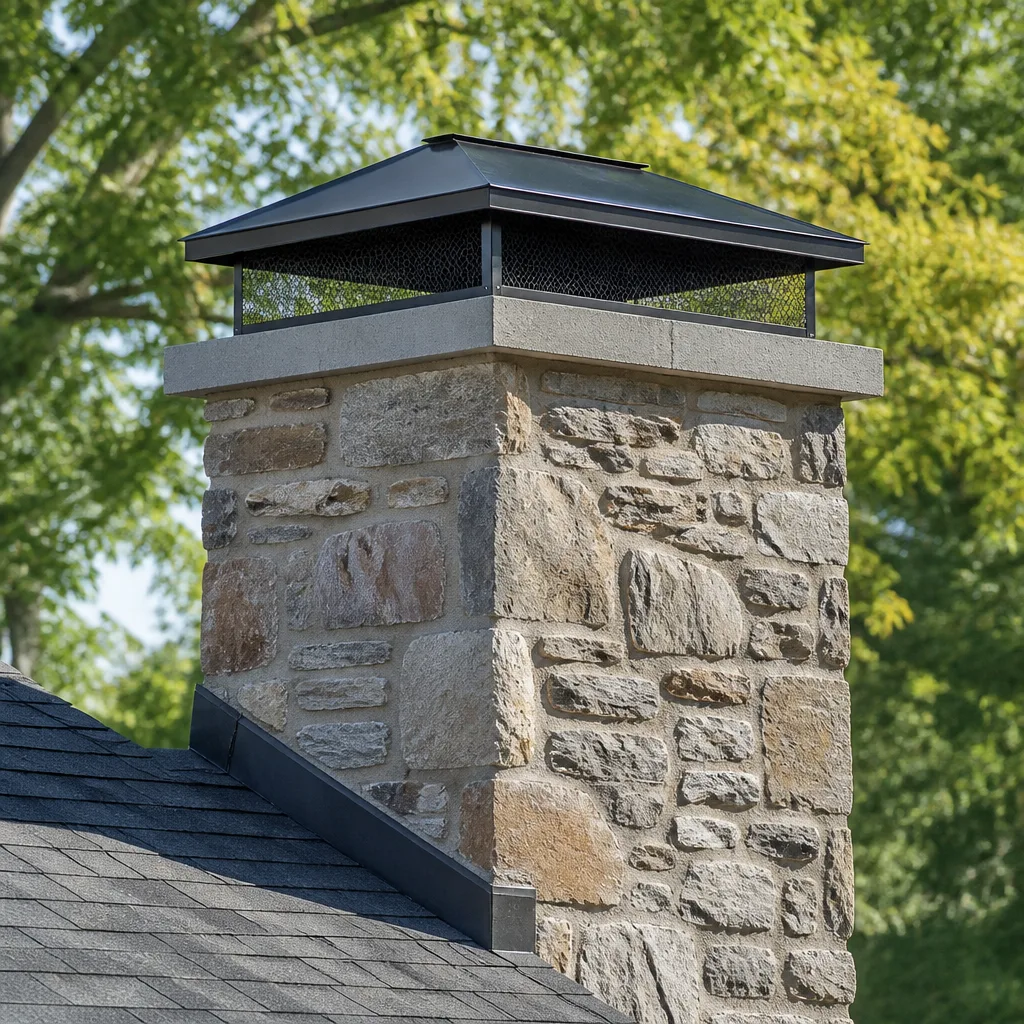 Caps & crowns
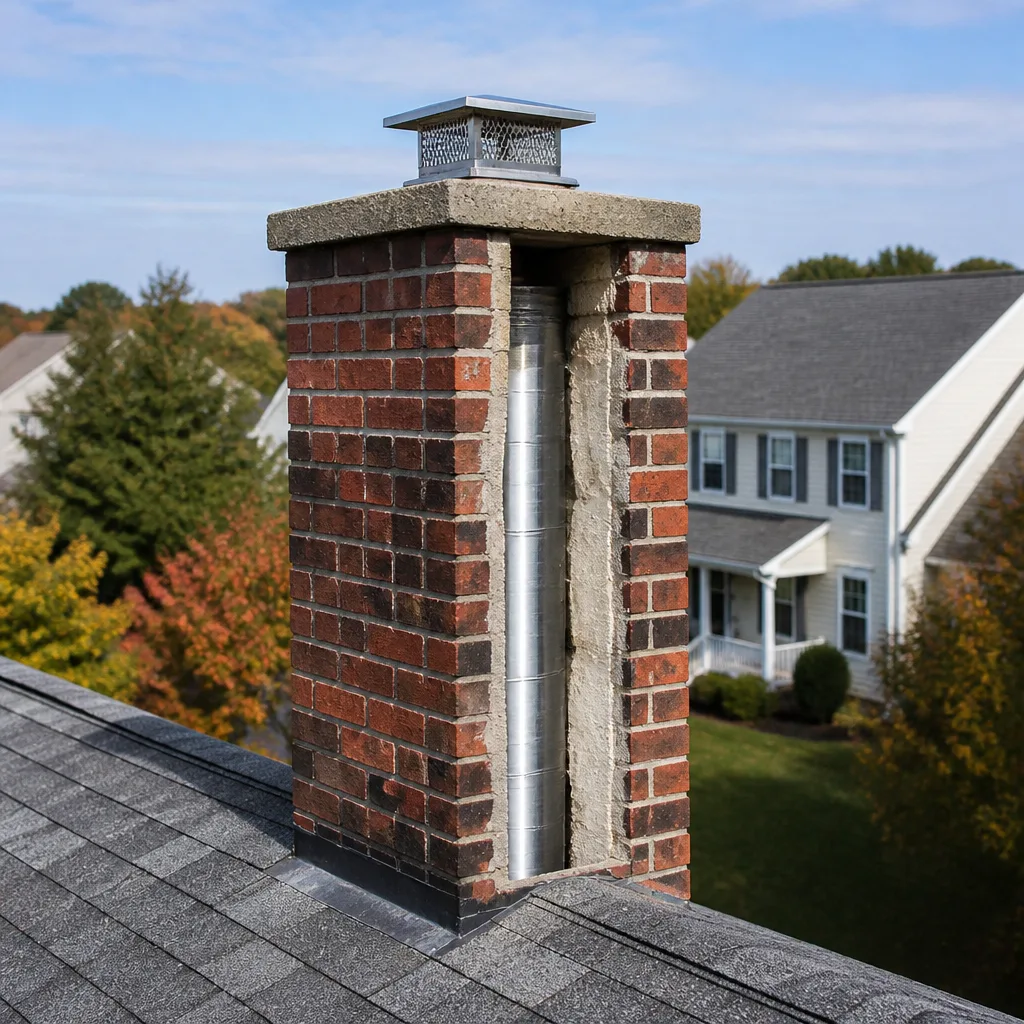 Flue relining
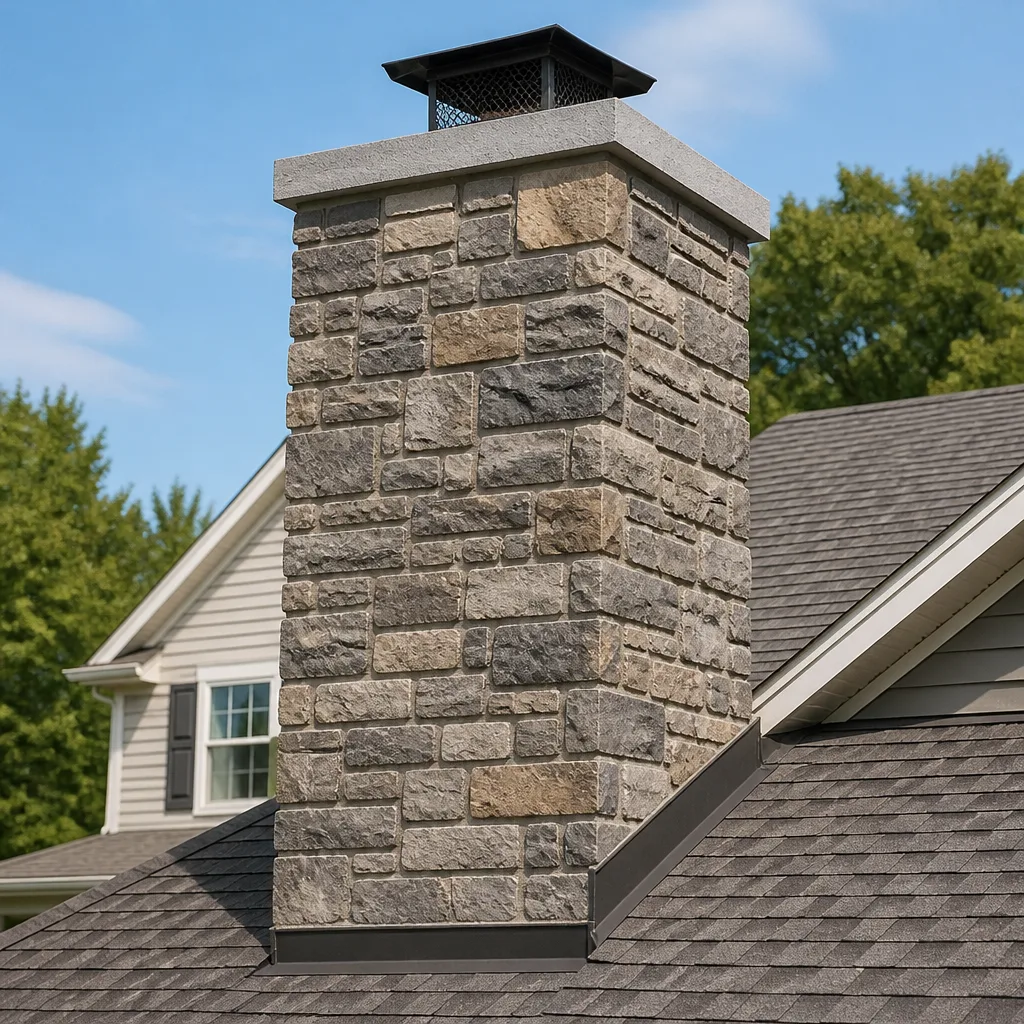 Masonry repair
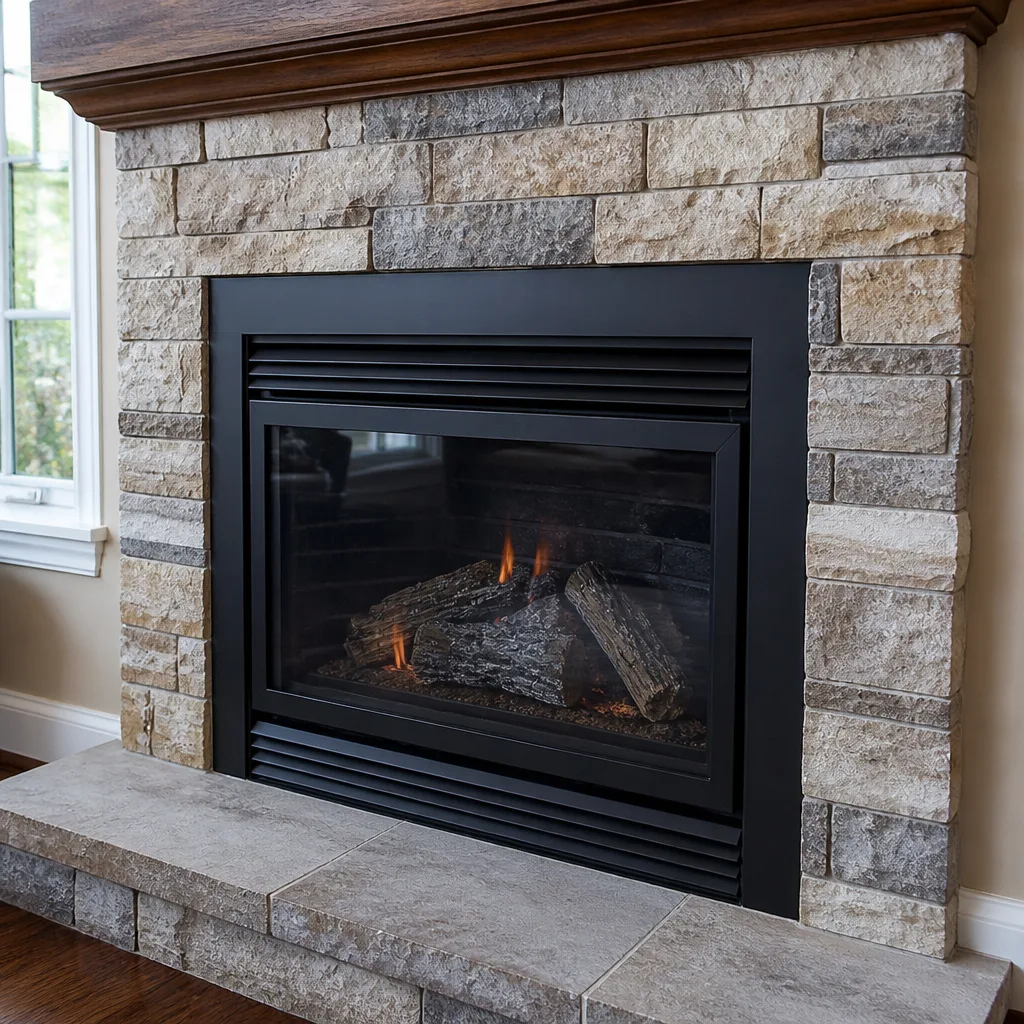 Gas fireplace service
Level 1 sweep and inspection to the NFPA 211 annual standard - flue, crown, cap, and flashing checked and photographed
Chimney sweep logs do not sweep chimneys. They loosen some creosote - which then falls where a brush and vacuum still have to collect it.
Chimney Cleaning Emergency Preparedness Guide for Frankford Homes
The fire you’re most likely to have in your home is the one you never planned for, and it usually starts in the one place you hardly look at. Most Frankford homeowners think a chimney emergency begins with flames in the firebox. In reality it often begins months earlier, as a slow glaze of creosote on the flue walls that hardens with every fire until a stray ember or a hot load of wood sets it off. What follows here is a working plan: what the three true chimney emergencies are, how to respond in the first minutes, what the fire department will expect of you afterward, and how to recognize a carbon monoxide problem specific to fireplace and wood stove systems. Read it before you need it. Frankford homes with older masonry chimneys benefit most.
Quick Answer
A chimney emergency is any condition where fire, carbon monoxide, or structural failure threatens the home, and it calls for a specific response, not a guess. For a suspected chimney fire, close the damper, get everyone out, call 911, and do not reopen the damper or throw water into the flue. For suspected carbon monoxide, leave the building immediately and call 911 or your gas utility. For a chimney that has visibly collapsed or is leaning above the roofline, evacuate and keep people away from the area below. After any of these, the chimney must be inspected before it is used again.
Styles & brands we work with
- Sweep & inspection
- Caps & crowns
- Flue relining
- Masonry repair
- Gas fireplace service
Table of Contents
- The Three Chimney Emergencies That Need Immediate Action
- What to Do Step by Step During a Suspected Chimney Fire
- After the Fire Department Leaves: Why a Level 3 Inspection Comes Next
- Carbon Monoxide Signs in Fireplace and Wood Stove Systems
- Chimney Collapse Above the Roofline: Signs and Response
- The Paperwork That Matters After a Chimney Emergency
- Preventing the Emergency Before It Starts
- Chimney Terms You’ll Hear During an Emergency
The Three Chimney Emergencies That Need Immediate Action
A chimney emergency is one of three situations, and each demands a different response. Knowing which one you’re facing prevents the most common mistake: doing the wrong thing quickly.
1. Active chimney fire. This is combustion inside the flue itself, usually fueled by creosote deposits. It can burn hot enough to crack clay tile liners and ignite framing that touches the chimney. From inside the house it may sound like a low rumble or a distant train, and it may not look dramatic from the room. Homeowners sometimes assume a chimney fire is obvious and loud. It often isn’t.
2. Carbon monoxide from incomplete combustion. This is a venting failure, not a fire. A blocked or cracked flue, a closed damper, or a poorly drafting chimney can push carbon monoxide back into the living space instead of up and out. Carbon monoxide is colorless and odorless, which is why detectors matter more than symptoms. This emergency is invisible until a detector sounds or someone becomes ill.
3. Structural collapse above the roofline. Chimneys in Frankford’s older housing stock sometimes develop cracked crowns, deteriorated mortar joints, or failing flashing that let water in and weaken the structure over years. A chimney that leans, sheds brick, or has a visible crack running through the masonry is a hazard that needs to be assessed before the next wind storm, not after.
Two of these three emergencies are quiet. That’s the reason this guide exists. In our experience, the homeowners who respond well are the ones who took thirty seconds to learn the signs beforehand.
What to Do Step by Step During a Suspected Chimney Fire
If you suspect a chimney fire, close the damper, evacuate everyone, call 911, and leave the damper closed. Do not attempt to fight a fire inside a flue. The sequence below explains each step and the reasoning behind it.
- Close the damper. The damper is the metal plate above the firebox. Closing it cuts the airflow feeding the fire in the flue and limits how much oxygen the creosote fire receives. Less oxygen means a slower burn and less heat stress on the liner.
- Get everyone out of the house. This includes pets. Do not stop to gather belongings. A chimney fire can spread to the roof structure and framing, and smoke can fill a room faster than you’d expect.
- Call 911 from outside. The fire department will check the roof and attic for extension. Do not re-enter to check the chimney yourself while the fire department is on the way.
- Do not reopen the damper. Reopening it feeds oxygen to a fire that may still be burning inside the flue. Wait until the fire department has assessed the situation.
- Do not pour water down the chimney. Water hitting a flue that is hundreds of degrees hot can crack clay tiles or warp a metal liner and can create a steam explosion. This is a job for the fire department, not a bucket.
- Stay out until you’re cleared. The fire department will tell you when it’s safe to re-enter. Even then, the chimney is not safe to use.
One more point that surprises people: a chimney fire can burn hot enough to damage the liner without visible flames inside the house. The low rumble is often the only clue. If you hear it, treat it as a fire until proven otherwise.
After the Fire Department Leaves: Why a Level 3 Inspection Comes Next
After a chimney fire, the chimney cannot be used again until a Level 3 inspection has been completed. That inspection is not a routine sweep. It is a diagnostic look at parts of the system that are normally hidden, including the flue interior, the framing near the chimney, and any concealed spaces.
A Level 3 inspection is triggered by a known event, such as a chimney fire, or by a suspected hidden problem. It typically involves:
- Accessing concealed areas around the chimney, which may mean removing a section of wall or opening a chase, depending on the construction.
- Examining the full length of the flue for cracks, gaps, spalling, or a failed liner joint.
- Checking whether heat transferred to nearby framing or combustible material.
- Assessing the crown, flashing, and masonry above the roofline for heat or water damage.
- Documenting findings with photos or video so you and your insurer can see what was found.
This is the part of chimney work that separates a specialist from a generalist. The damage from a chimney fire is often invisible from the firebox, and a sweep-only visit may not surface it. If the flue liner is compromised, a relining may be required; products like DuraFlex and Olympia Chimney are the kind of professional-grade materials a specialist would discuss with you at that point. Whether the chimney can be repaired or needs a full rebuild is a decision made on the evidence, not on a guess.
Carbon Monoxide Signs in Fireplace and Wood Stove Systems
Carbon monoxide from a fireplace or wood stove is a venting problem, and its signs differ from a furnace CO issue. Furnace problems often involve a heat exchanger or a blocked exhaust. Fireplace and wood stove CO problems usually trace back to draft failure, a cracked or blocked flue, or a closed damper.
The indicators specific to a fireplace system include:
- A fire that struggles to draw, with smoke spilling into the room instead of going up the flue.
- A firebox that looks smoky or sooty on the inside of the glass, which can signal poor draft.
- Soot streaks or discoloration on the wall above the firebox or around the chimney breast.
- A damper that doesn’t open fully or a flue that is blocked by nesting material, a fallen tile, or heavy creosote.
- Headaches, dizziness, or nausea in household members that improve when they leave the house.
Detector placement matters in Frankford row homes. Row homes share walls and often have basement or first-floor fireplaces with a flue that runs through the middle of the building. Place carbon monoxide detectors on every level where people sleep, plus one near the fireplace or wood stove, mounted at roughly breathing height on a wall or ceiling per the manufacturer’s instructions. Avoid placing a detector directly above the firebox, where normal wood smoke can cause false alarms, and avoid the dead-air zone near the ceiling corner.
If a detector sounds and you suspect a fireplace-related CO leak, get everyone out and call 911 or your gas utility. Do not run the fireplace to “test” the problem. For a deeper walkthrough of what a professional looks at on a routine visit, our chimney sweep page lays out the inspection steps.
Chimney Collapse Above the Roofline: Signs and Response
A chimney that has collapsed or is leaning above the roofline is a life-safety issue, not a maintenance item. If you see brickwork separating, a chimney that leans away from the roofline, or mortar crumbling to the point that bricks are loose, evacuate the area below and keep people and vehicles away until a professional has assessed it.
The warning signs to watch for, especially on older Frankford properties:
- Cracked or missing chimney crown, which lets water into the masonry every time it rains.
- Deteriorated mortar joints, which you can see as recessed or powdery lines between bricks.
- Rust or corrosion at the flashing where the chimney meets the roof.
- A chimney that visibly leans or separates from the house.
- Bricks or mortar fragments found on the roof or in the yard after a storm.
Freeze-thaw cycles are hard on masonry chimneys in this region. Water gets into a hairline crack, freezes, expands, and widens the crack each winter. A cracked crown is often the entry point, and addressing it early is far less expensive than a rebuild. Our chimney cap & crown page covers the protective measures that prevent this kind of deterioration. If the collapse has already happened, the repair usually involves rebuilding the chimney from the roofline up, which is a structural job, not a cleaning one.
The Paperwork That Matters After a Chimney Emergency
Once the immediate danger has passed, three documents drive what happens next: the fire department report, the sweep inspection report, and your insurance notification. Getting the sequence right avoids disputes later.
- Get the fire department report. The fire department will document the incident, including what was found on arrival, what was burning, and what extension was discovered. Ask for a copy. This report is the starting point for any insurance claim.
- Schedule a professional inspection before any further use. A Level 3 inspection after a fire is the report your insurer will likely want to see. Ask for photos and a written summary of findings, not just a verbal opinion.
- Notify your insurer promptly. Most policies have a notice requirement for claims. Call your insurer after the inspection is scheduled or completed, and be ready to provide the fire department report and inspection findings. Don’t authorize repairs before the insurer has agreed to the scope, if you plan to claim.
- Keep a record of every conversation. Note the date, the person you spoke with, and what was agreed. This is the paperwork that gets an insurance claim moving without a dispute.
For a look at what repairs typically involve, our chimney repair page walks through the range of fixes, from crown restoration to relining, and where HeatShield ceramic liner repair fits as a restorative option instead of a full reline.
Preventing the Emergency Before It Starts
Chimney emergencies build from deferred maintenance, and that means most of them are preventable. The work below is what keeps a flue clean and draft reliable through a heating season.
- Schedule an annual inspection. Once a year, before the burning season, have the flue checked for creosote buildup, blockages, and liner condition. This is the single most effective prevention step.
- Burn dry, seasoned wood. Wet wood produces more creosote and less heat. Seasoned wood that has dried for a year or more burns cleaner and deposits less on the flue walls.
- Don’t burn paper, trash, or softwoods heavily. These materials deposit more creosote and can send embers up the flue.
- Keep the damper clear. Make sure it opens fully and seats properly. A damper that doesn’t open all the way is a draft problem waiting to happen.
- Watch for the early signs. More smoke in the room, a fire that draws poorly, or sooty glass is a reason to call, not a reason to wait.
If you’ve just bought an older property in Frankford, a full chimney assessment before your first fire is worth scheduling. A new-to-you home may have a flue that hasn’t been swept in years, and the condition is unknown until someone looks.
Chimney Terms You’ll Hear During an Emergency
When a chimney problem happens, the terminology moves fast. Here are the terms that come up most often, in plain language.
- Creosote: A tar-like deposit that forms on the inside of a flue from burning wood. It can be flaky, crusty, or glazed, and glazed creosote is the most fire-prone form.
- Flue: The passage inside the chimney that carries smoke and gases up and out.
- Liner: The material that lines the inside of the flue, protecting the masonry and containing the fire and gases. Metal liners and ceramic repair systems are the most common.
- Crown: The concrete or masonry cap at the very top of the chimney, designed to shed water away from the flue.
- Flashing: The metal that seals the joint where the chimney meets the roof, keeping water out of the attic.
- Damper: The plate above the firebox you open to allow draft and close to seal the flue.
- Draft: The upward flow of air and gases through the flue. Weak draft means smoke and CO can back up into the room.
Common Mistakes to Avoid
- Assuming a chimney fire is loud and obvious. Many chimney fires are quiet. A low rumble or a sudden smell of hot metal can be the only sign. If in doubt, treat it as a fire.
- Throwing water down the flue. Water hitting a superheated flue can crack tiles and create a steam explosion. Leave the fire to the fire department.
- Reopening the damper to “check.” That feeds oxygen to a fire that may still be burning. Keep it closed until the fire department clears you.
- Using the chimney again before a Level 3 inspection. A fire can damage the liner without visible signs from the firebox. Using it again risks a second fire or a CO leak.
- Ignoring the crown. A cracked crown lets water in every rain, and freeze-thaw cycles then widen the damage. Fixing it early costs far less than a rebuild.
- Placing CO detectors only near the furnace. Fireplace and wood stove CO comes from a different part of the system. Put a detector near the fireplace as well as sleeping areas.
- Skipping the fire department report. Without it, insurance claims on a chimney fire get complicated. Ask for a copy the same day.
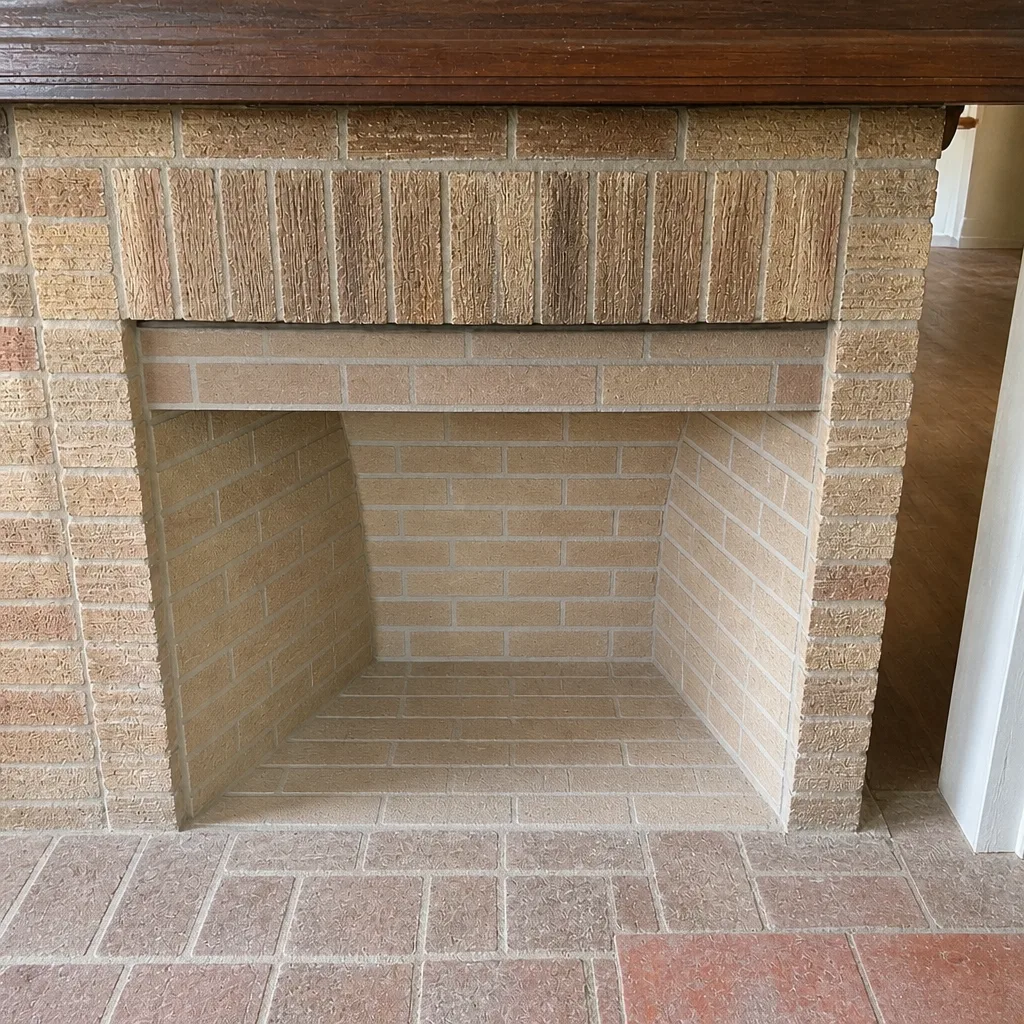
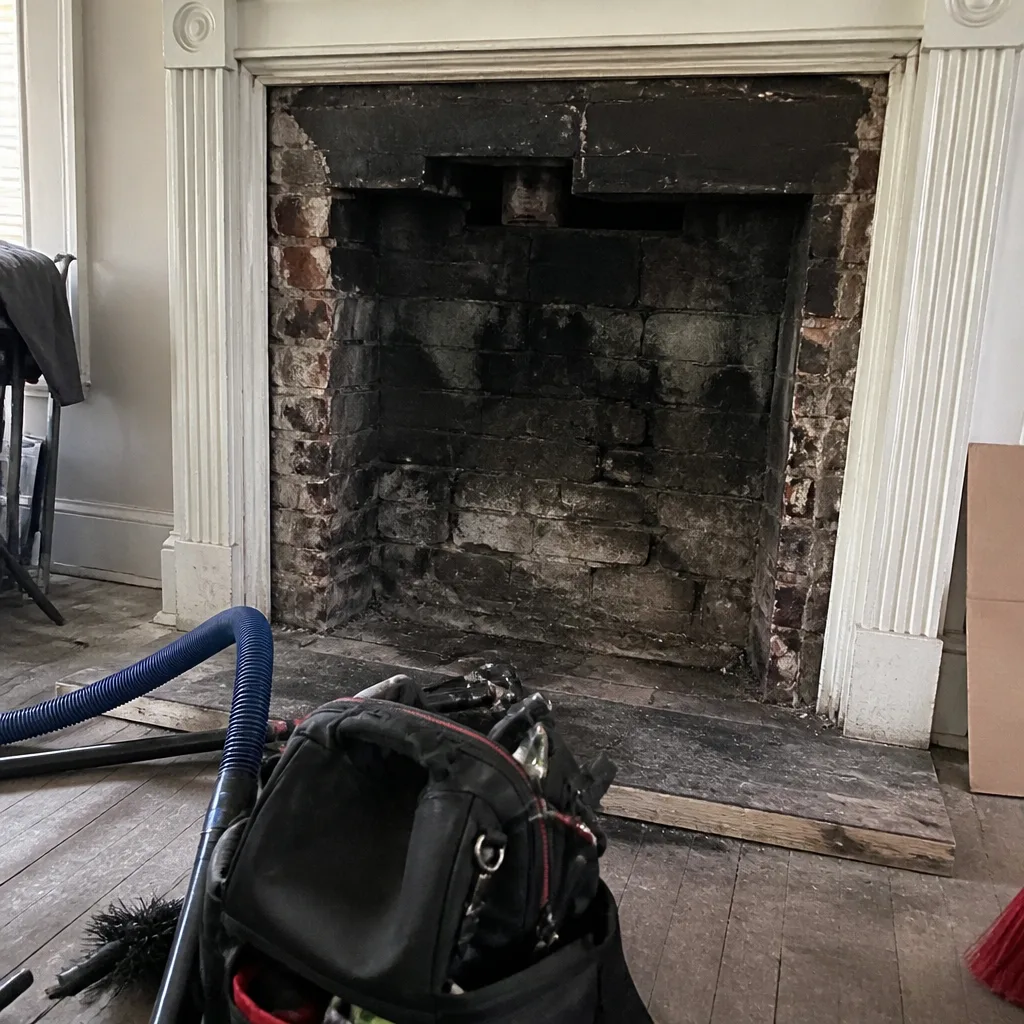
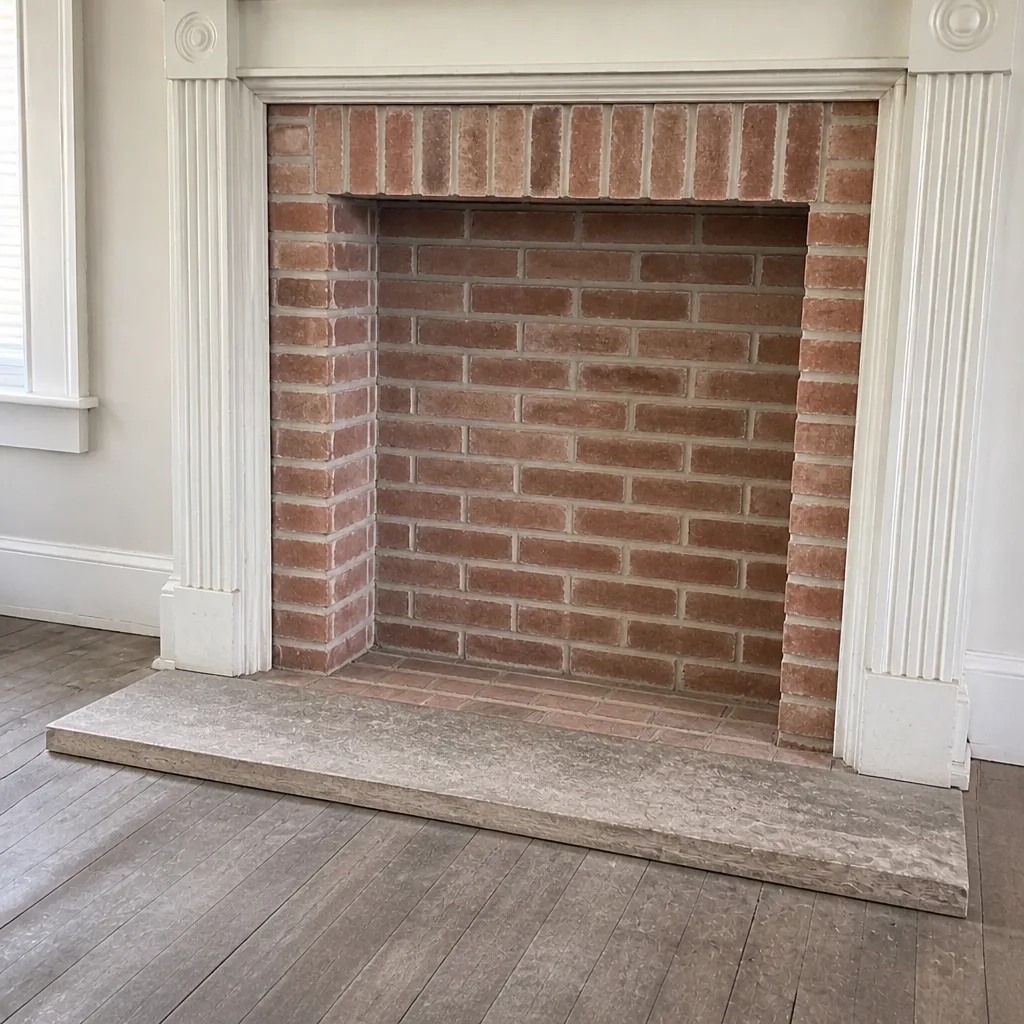
See the difference
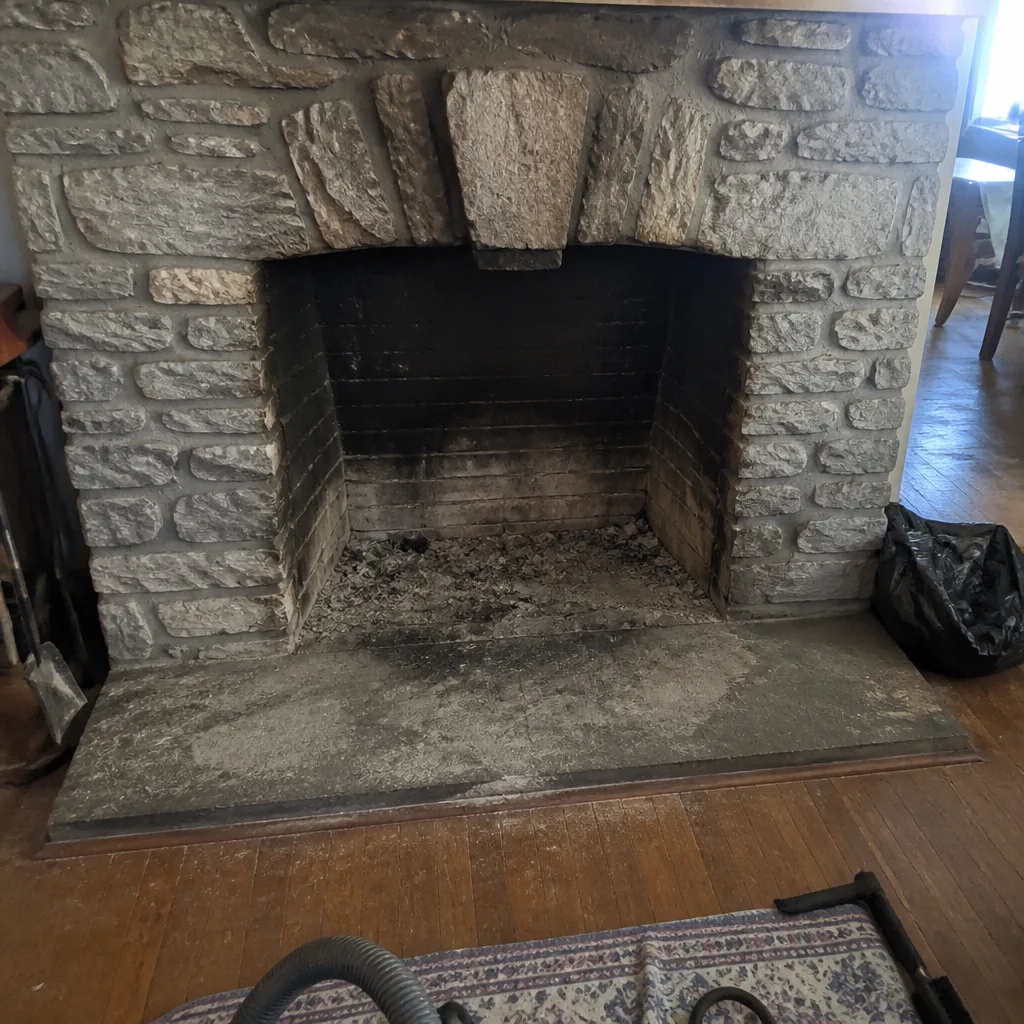 Before
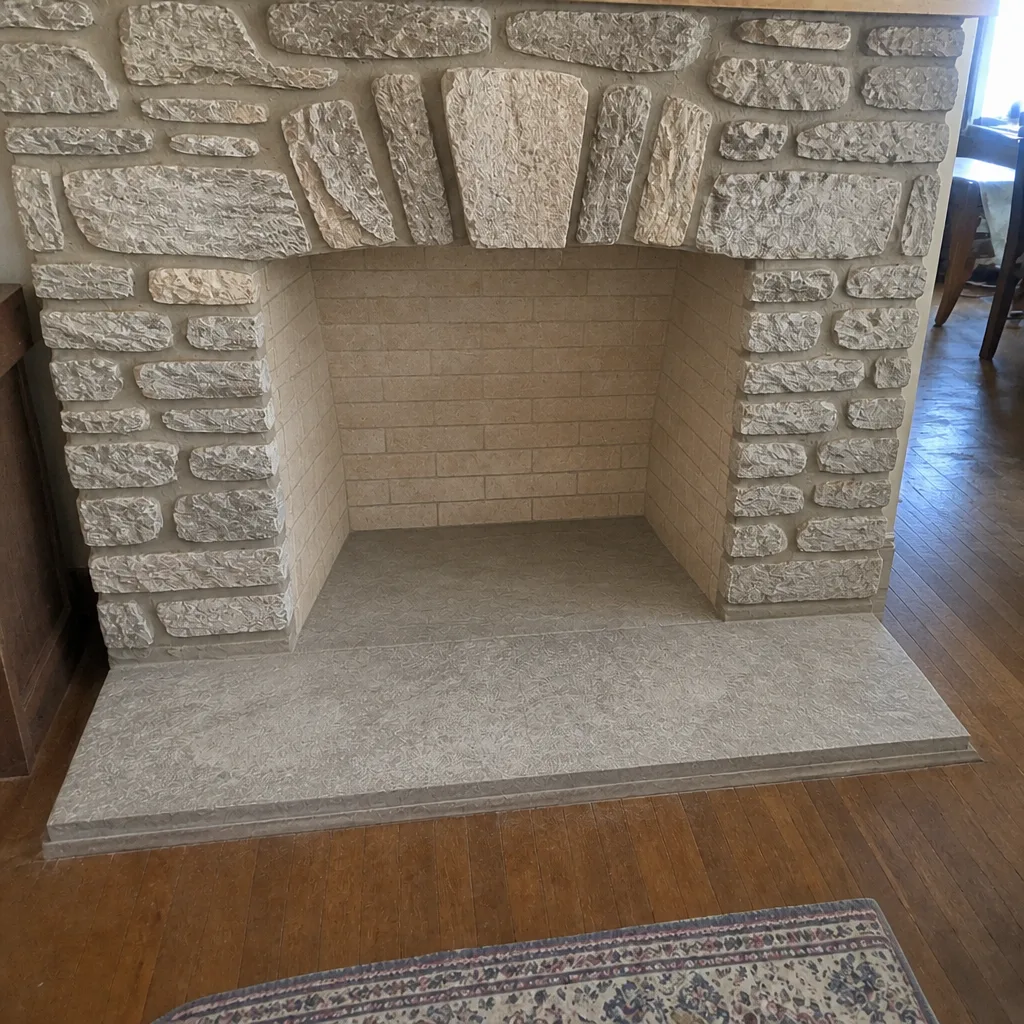 After
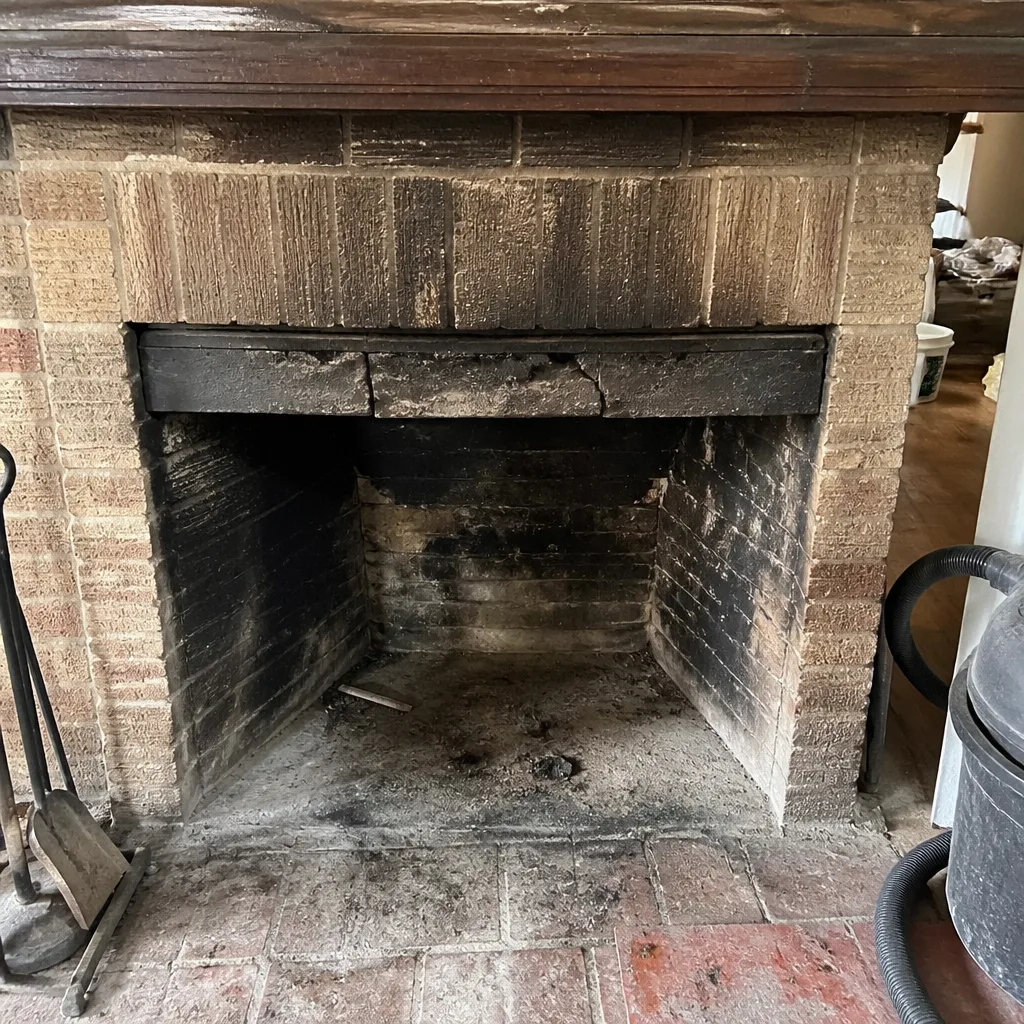 Before
 After
 Before
 After
When to Call a Professional
Some chimney problems are urgent and some can wait, and knowing the difference is worth a phone call. Call a professional right away for: a suspected chimney fire, a carbon monoxide detector that has sounded near a fireplace or wood stove, visible structural damage to a chimney above the roofline, or a fire that won’t draw and spills smoke into the room. These are situations where a trained assessment prevents a worse outcome. A scheduled annual sweep or an inspection after a property purchase can wait for a normal appointment. When you’re ready to book, Chimney Sweep Frankford offers free estimates in Frankford. We handle the full chimney system, from sweep to liner work to rebuild, so a single specialist sees the whole job through. Call (833) 962-9222. We answer 24/7. Fast dispatch from 7am to 7pm, Sunday through Friday.
Frequently Asked Questions
Close the damper, get everyone out of the house, and call 911. Do not reopen the damper or pour water down the flue. A chimney fire can damage the liner and spread to framing, so the fire department needs to check the roof and attic for extension. Call (833) 962-9222 once the fire department has cleared the scene to schedule the Level 3 inspection.
You don’t, not on your own. A chimney fire can smolder inside the flue after the visible flames stop. Only the fire department can clear the scene, and only a professional inspection afterward can confirm the flue is intact and safe to use. Until that inspection is done, treat the chimney as unusable. Call (833) 962-9222 to get it on the schedule.
Yes. A chimney fire can crack clay tile liners and transfer enough heat to ignite framing next to the chimney without any visible flames in the room. That’s why the Level 3 inspection matters: it looks at concealed areas and checks the framing, not just the firebox. Call (833) 962-9222 for an inspection with photo documentation.
A detector near a fireplace that sounds during use points to a draft problem or a blocked or damaged flue. Open a window, get everyone out, and call 911 or your gas utility. Do not run the fireplace to test it. After the house is cleared, the chimney needs a professional inspection before the fireplace is used again. Call (833) 962-9222 to book it.
Once a year, before the burning season, is the standard baseline. Homes that burn wood heavily, or that have just changed hands, should be inspected before first use. An annual inspection catches creosote buildup, liner damage, and a cracked crown before any of them becomes an emergency. Call (833) 962-9222 to schedule a sweep and inspection.
The chimney may look fine and still be unsafe. A heat-damaged liner can allow fire or carbon monoxide into the structure the next time you light a fire. An insurance claim on a later incident may also be complicated by the skipped inspection. Have it inspected before any further use. Call (833) 962-9222 for a free estimate on the inspection.
A sweep cleans the flue, while a Level 3 inspection diagnoses the system after a known event and may require access to concealed areas around the chimney. After a fire, a sweep alone isn’t enough. The inspection is what determines whether the liner, framing, and masonry are safe. Call (833) 962-9222 to find out which service your chimney needs.
Yes, if brickwork is loose, the chimney is leaning, or pieces have fallen. Keep people and vehicles away from the area below and have it assessed before the next wind storm. The repair is usually structural, rebuilding from the roofline up. Call (833) 962-9222 for a free estimate.
The Bottom Line
Chimney emergencies are rare, but they’re serious, and the difference between an expensive repair and a dangerous one comes down to the first ten minutes. Know the three emergencies: active chimney fire, carbon monoxide from incomplete combustion, and structural collapse above the roofline. For a fire, close the damper, evacuate, call 911, and don’t reopen the damper or use water. After the fire department clears the scene, the chimney stays out of service until a Level 3 inspection confirms it’s safe. Keep your CO detectors on every sleeping level and near the fireplace, and not just next to the furnace. Keep the paperwork: fire department report, inspection report, insurance notification. And above all, schedule the annual inspection before the burning season, because the best chimney emergency in Frankford is the one that never starts.
Ready to protect your Frankford home? Call Chimney Sweep Frankford at (833) 962-9222 for a free estimate. We answer 24/7. Fast dispatch from 7am to 7pm, Sunday through Friday. Our technicians have up to 15 years of experience, and we work with professional-grade product lines including DuraFlex, HeatShield, Gelco, Olympia Chimney, Famco, and Copperfield. From annual sweep to full liner rebuild, one specialist, start to finish.
Written by the team at Chimney Sweep Frankford.