
Last updated November 22, 2026
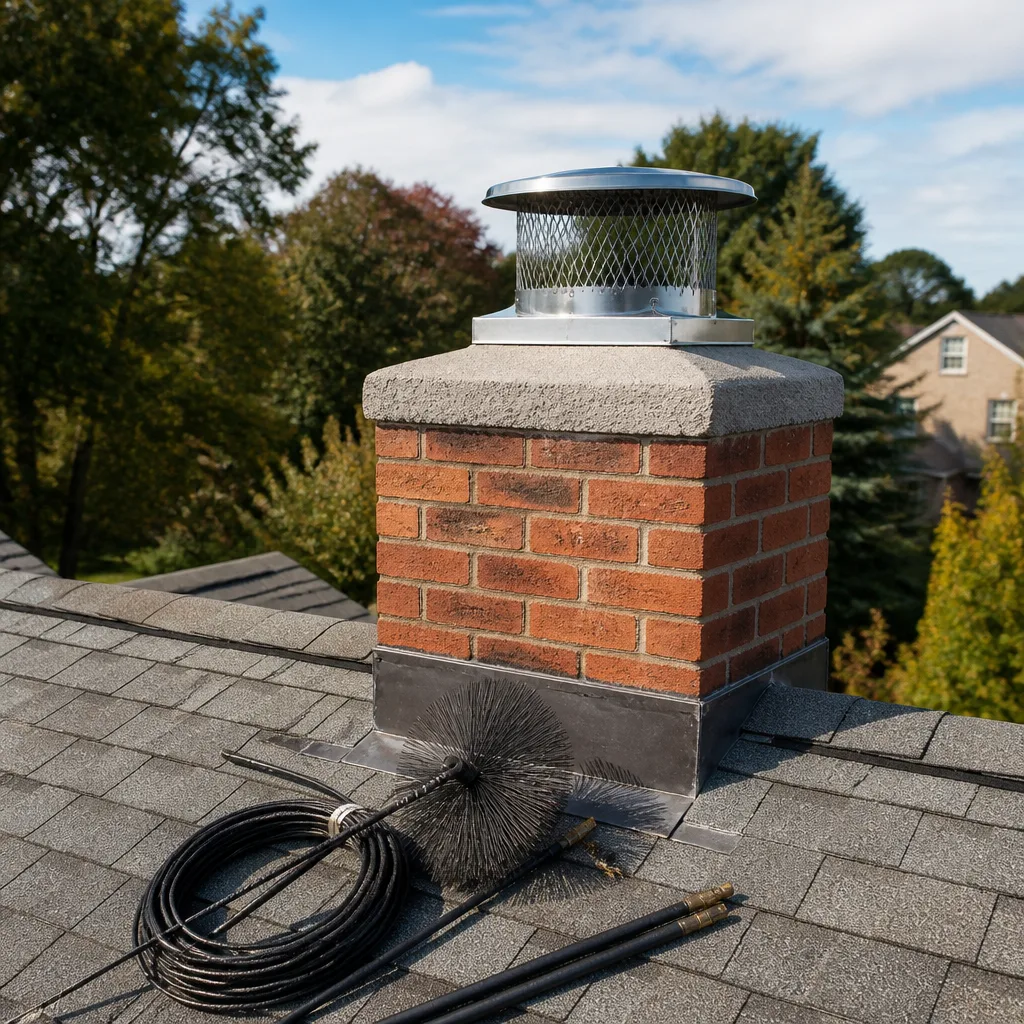 Sweep & inspection
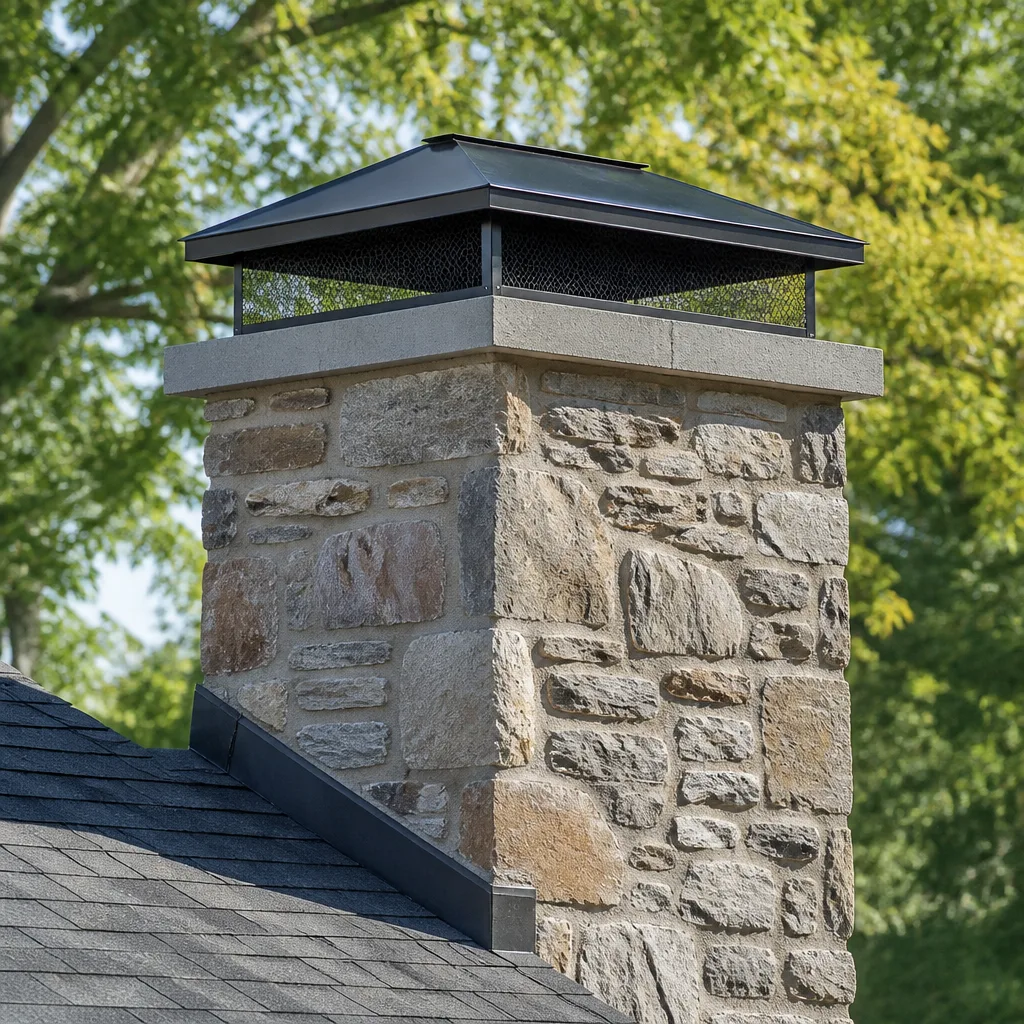 Caps & crowns
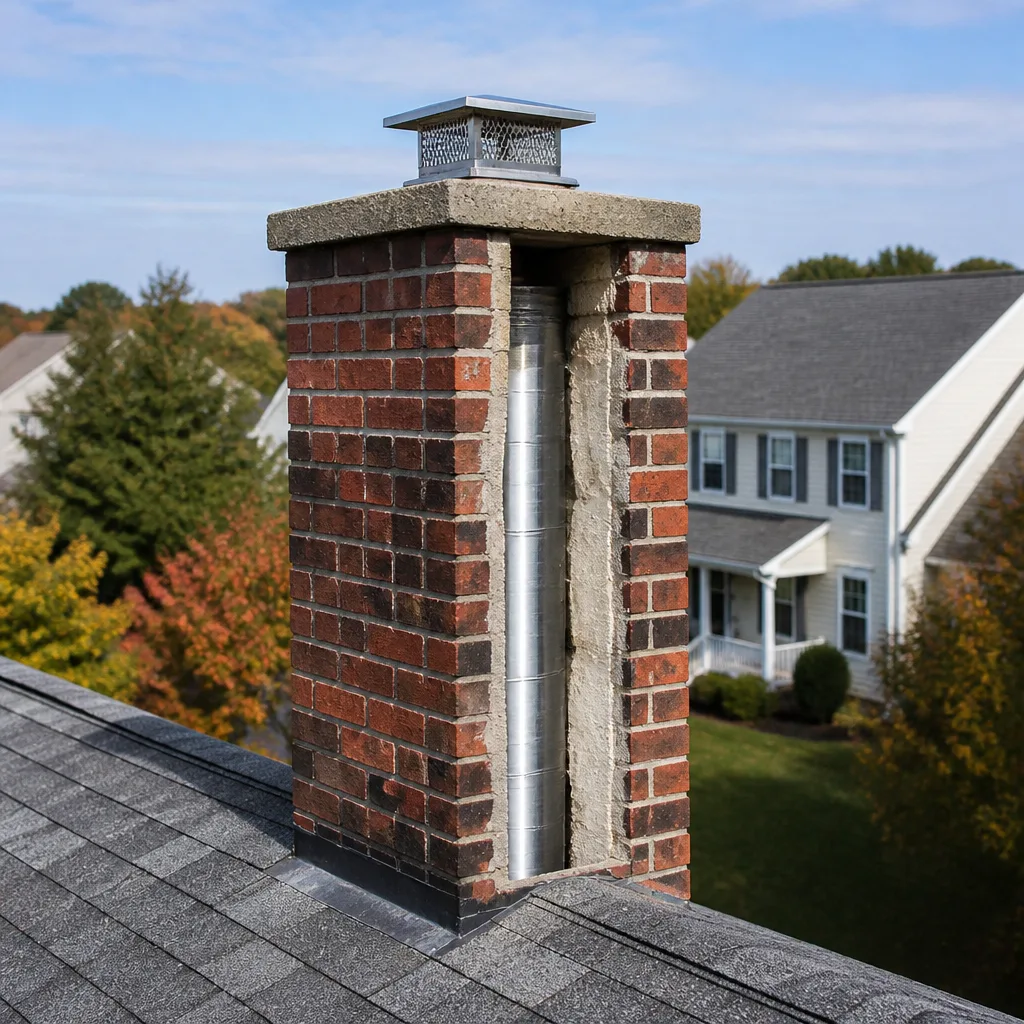 Flue relining
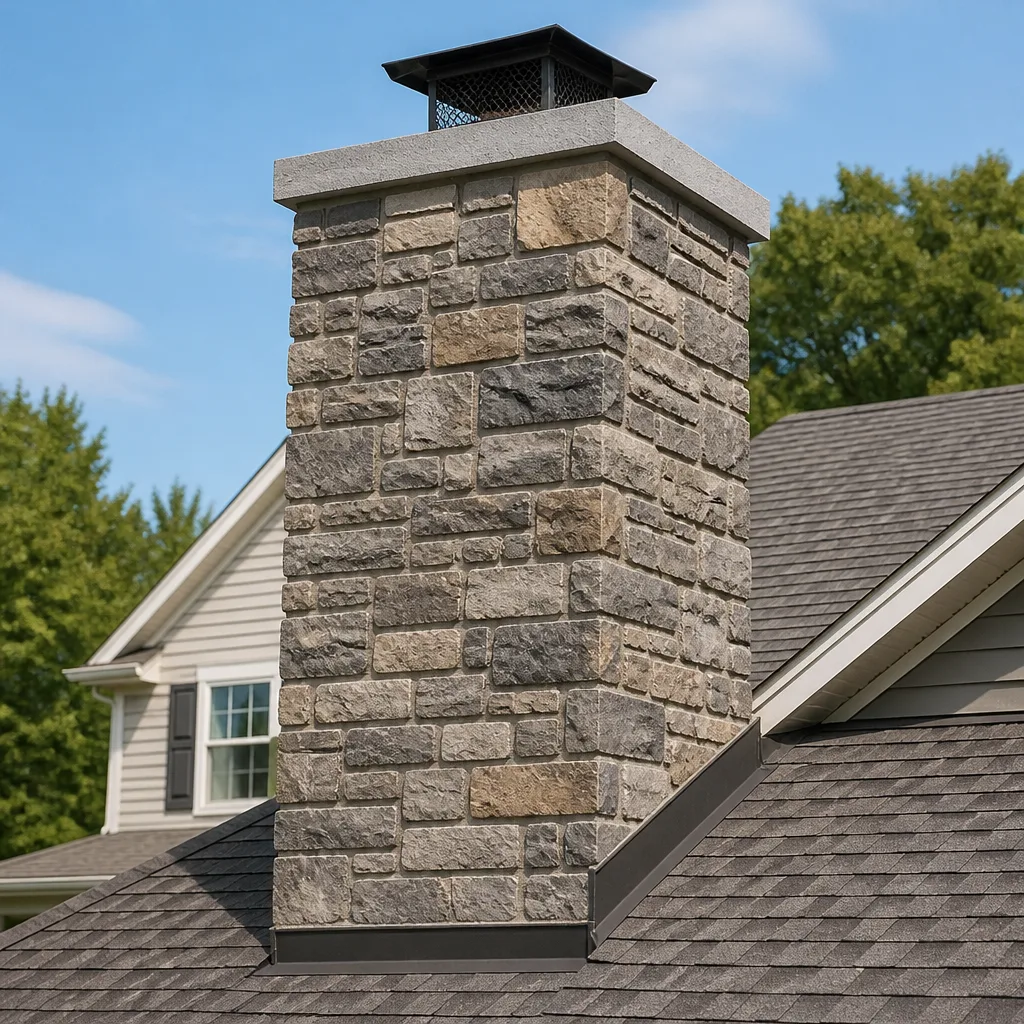 Masonry repair
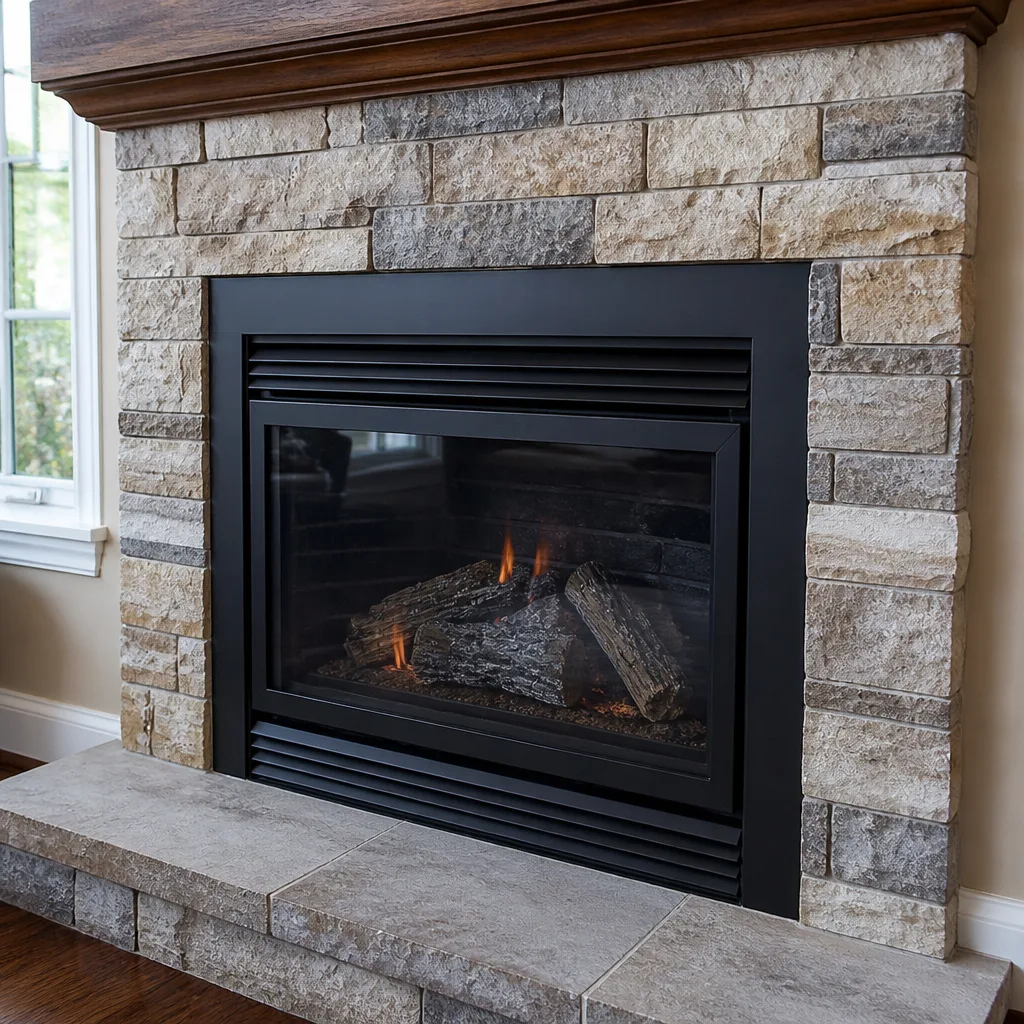 Gas fireplace service
Level 1 sweep and inspection to the NFPA 211 annual standard - flue, crown, cap, and flashing checked and photographed
Chimney sweep logs do not sweep chimneys. They loosen some creosote - which then falls where a brush and vacuum still have to collect it.
Chimney Sweep Maintenance Checklist for Frankford Homeowners
A checklist convinces most homeowners they need to clean more. The opposite is usually true. In our experience, the most costly chimney damage in Frankford row homes doesn’t come from a dirty flue. It comes from a cracked crown that let water in for a few winters before anyone thought to look up. Sweeping removes creosote. It doesn’t stop water, and water is what quietly takes apart brick and mortar from the inside. So this guide isn’t a chore list. It’s a decision tree: what you can check yourself, what only a sweep should check, and the exact signals that mean a maintenance item has become a repair. We’ll also give you a simple record format to track all of it year over year. Keep this guide handy. Frankford homes have specific chimney habits, and knowing them changes what you watch for.
Styles & brands we work with
- Sweep & inspection
- Caps & crowns
- Flue relining
- Masonry repair
- Gas fireplace service
Quick Answer
A chimney maintenance checklist should separate what a homeowner can safely observe from what only a trained sweep should inspect. In Frankford, that means you watch the parts you can see from the ground or the firebox side (cap condition, crown cracks, efflorescence, damper movement) on a set schedule, and a professional checks the parts you can’t (liner integrity, smoke chamber, flue blockages) on an annual basis. Anything that involves the flue interior, the roof, or the liner is not a do-it-yourself item. The value of the checklist is knowing when an observation crosses from “note it” to “book a sweep” to “call for repair.”
Table of Contents
- Why a Chimney Maintenance Checklist Beats a Reminder to Sweep
- Homeowner-Observable Checklist Items (and How Often)
- Sweep-Only Checklist Items: What You Should Never Check Yourself
- Frankford Housing Stock and What It Means for Your Chimney
- When a Maintenance Item Becomes a Repair
- How to Document Your Chimney Year Over Year
- Seasonal Timing in Frankford: Before Burning Season, Not After
- Common Mistakes to Avoid
- When to Call a Professional
- Frequently Asked Questions
- The Bottom Line
Why a Chimney Maintenance Checklist Beats a Reminder to Sweep
Most homeowners treat chimney care as a single annual task: get it swept, forget about it. That works for a chimney in good condition with a sound liner. It fails for the older masonry chimneys common in Frankford, where several small components each fail on their own timeline. The cap can go before the crown. The crown can crack before the liner is compromised. A flue can be dirty while the smoke chamber is fine, or the reverse.
A checklist works because it assigns a frequency to each failure point instead of asking you to “inspect regularly,” which nobody actually does. It also sorts items by who is qualified to check them. That sorting matters. Some of what you need to know about your chimney is visible from the ground with binoculars. Some of it requires getting on the roof. Some of it requires looking up the flue with a camera, and some of it requires a trained eye to interpret what the camera shows.
Here’s the framework this guide uses, and it’s the same one we apply when we assess a Frankford chimney system:
- Monthly during burning season: things you can see and operate from inside the house.
- Annually: the full sweep and inspection, plus a ground-level look at the exterior.
- After every storm: a quick check for new cracks, shifted caps, or debris.
- Before first use each season: a walkthrough of the firebox, damper, and visible flue.
The point isn’t to turn you into a chimney inspector. It’s to give you the vocabulary to describe what you’re seeing when you call, and the judgment to know when the call is urgent versus routine. That single skill saves Frankford homeowners the most money, because it prevents small water intrusion from becoming structural.
Homeowner-Observable Checklist Items (and How Often)
These are the items you can check safely, without climbing on the roof and without opening anything that requires a professional. Each one has a frequency and a clear line between normal and concerning.
Monthly during burning season
- Chimney cap condition: Look up from the ground. The cap should sit level and intact. A cap that has shifted, lost a corner of its mesh, or gone missing entirely means rain, birds, and debris have direct access to the flue. Missing caps are one of the most common things we find on Frankford inspections.
- Damper movement: Open and close the damper fully. It should move without grinding, sticking, or falling out of position. A damper that won’t seal means you’re losing heat and pulling cold air through the house when the fireplace is idle.
- Firebox interior: With the fire out and the ashes cold, look at the brick and mortar joints inside the firebox. Hairline cracks in the firebrick are normal. Crumbling mortar joints, gaps behind the brick, or any soft or powdery area is not.
Annually, from the ground
- Crown cracking: The crown is the concrete or mortar cap on top of the chimney that sheds water away from the brick. Cracks wider than a hairline, or any area where the crown has pulled away from the flue, are repair indicators. This is the single most overlooked item on Frankford chimneys.
- Efflorescence: That white, chalky staining on exterior brick is a sign of moisture moving through the masonry. It’s not always urgent, but it’s a signal worth noting and watching over time.
- Spalling brick: Brick faces that are flaking, peeling, or falling away indicate water has been freezing inside the brick. Spalling tends to spread if the water source isn’t addressed.
- Masonry joints: Look at the mortar lines between bricks. Recessed or crumbling joints, especially near the top of the chimney, mean the mortar is wearing out and water has a way in.
After every storm
Walk outside and look up. Note any new cracks, any shift in the cap, or any debris that’s collected around the chimney base. Heavy rain and wind are what turn a small existing crack into an active water path. Also check inside: if you see water staining on the ceiling near the chimney or on the chimney breast itself, the storm found a way in.
If any of these monthly or post-storm checks turn up something that doesn’t look right, that’s the moment to write it down (more on documentation below) rather than to fix it yourself. Most of these items are observations, not repairs, and knowing whether an observation is normal or a problem is exactly what the annual visit is for.
Sweep-Only Checklist Items: What You Should Never Check Yourself
The flue interior and the roof are not homeowner territory. Not because it’s a secret, but because getting it wrong can seriously hurt you or make a small problem worse. High chimneys, steep roof pitches, and the inside of a flue with a compromised liner are three of the most dangerous places on a house.
A trained technician has the tools and the training to look at these items safely. Here’s what that includes:
- Liner integrity: The liner is the barrier between the flue gases and the surrounding structure. Clay tile liners crack. They can also shift at the joints. Older Frankford chimneys sometimes have no liner at all. A camera inspection is the only reliable way to know what condition the liner is in.
- Smoke chamber parging: The smoke chamber is the sloped area above the damper, before the flue. Its surfaces should be smooth so smoke moves up rather than lingering. Rough, cracked, or unparged smoke chambers are a common cause of poor drafting. Parging is a specialized repair, and chimney repair at that level is not a homeowner task.
- Flue blockages: Nests, leaves, fallen tile, and debris can partially or fully block a flue. Some blockages are visible from the top during a sweep. Others are only found with a camera.
- Creosote level: Creosote builds in stages, and its severity is judged by a trained eye. Glazed, hardened creosote is a fire risk that a brush alone may not fully remove.
- Crown and cap from the roof: A ground-level look tells you something is wrong. A roof-level look tells you what and how much. That’s a professional call, and it’s also a fall risk if you don’t know what you’re doing on a roof.
When we inspect a Frankford chimney, we use a camera and a written report so you can see the inside of your own flue. Nothing gets recommended that isn’t backed by what the camera showed. That’s the standard we’d want as homeowners ourselves. If your flue isn’t visible during the inspection, ask to see it. You should never have to take a recommendation on faith.
Frankford Housing Stock and What It Means for Your Chimney
Frankford’s housing is not one thing. The neighborhood has a mix of row homes and older detached properties, and the chimney systems inside them vary a lot. That variety is why a generic national checklist doesn’t fit here.
Clay tile liners and their failure modes
Most older masonry chimneys in Frankford were built with clay tile liners. Clay tile is a good material, but it has two predictable weaknesses. It cracks under thermal stress, especially when a chimney goes from cold to a hot fire quickly. And its joints are mortar, which can erode over time. When a tile liner cracks, the cracks can be small enough that the chimney still drafts fine. That’s the tricky part: a compromised liner often gives no obvious signal from the firebox.
Chimneys with no liner at all
Some older Frankford homes have chimneys that were never lined, or where a prior lining has been removed. These are not automatically unsafe, but they need professional evaluation before regular use, and the fix is a liner installation. This is where the specialized restorative options matter. Products like HeatShield are used to repair and restore a liner that’s deteriorated but still structurally present, which is often far less invasive than a full reline. Not every chimney is a candidate, and the only way to know is a proper inspection.
What happens to Frankford chimneys in this climate
The freeze-thaw cycle is the big one here. Water gets into a crack in the crown or a porous brick, freezes overnight, expands, and widens the crack. Repeat that over a few winters and a hairline becomes a real opening. Frankford’s cold season is the driving force behind most of the masonry failures we see. That’s why crown and cap condition matter so much, and why we recommend checking them before the freeze sets in rather than after.
When a Maintenance Item Becomes a Repair
This is the part most checklists leave out. Knowing when a maintenance observation has crossed into a repair is the whole skill. Here are the clear signals, item by item.
- Crown cracks. Hairline is maintenance. Anything wider than a hairline, or any crack where water can sit, is a repair. A cracked or separated crown lets water directly into the masonry below it. If left, it’s how a crown job becomes a rebuild.
- Cap damage. A loose cap is a maintenance fix. A missing cap is a repair, because it means the flue has been open to the weather. A rusted-out cap on a metal chimney means the whole cap assembly is due for replacement.
- Efflorescence. White staining that appears once and doesn’t grow is a watch item. Staining that returns and expands means active moisture. That’s the point to inspect the source, not to scrub it off.
- Spalling brick. Minor spalling in a small area is worth monitoring. Widespread spalling, or brick faces falling away entirely, means the masonry needs attention from a mason.
- Damper. A sticky damper is maintenance. A damper that won’t seal, or a firebox with a rusted or warped damper, is a repair.
- Liner. A slight crack in a tile is a note. A missing section, a shifted tile, or a liner that’s come apart at a joint is a liner repair or replacement decision.
What separates maintenance from repair isn’t the size of the problem, it’s whether water or fire gases have a way past the barrier designed to stop them. Once they do, waiting tends to raise the cost. This is not a scare tactic. It’s how masonry behaves. Frankford’s freeze-thaw cycle is what makes the timeline short.
And here’s the flip side, which we say just as plainly: some of what looks urgent to a homeowner can safely wait. A hairline crack, a single spalled brick, a spot of staining, none of these require immediate action. A good specialist will tell you which items can wait. If anyone tells you everything is urgent, get a second opinion.
How to Document Your Chimney Year Over Year
A written record is the single most useful thing you can build, and almost nobody does. It turns “my chimney looks rough” into “this crack was a hairline in 2023 and is now a quarter inch.” It also makes a home sale easier and a new sweep’s job fairer.
Set up a simple log. Any notebook or spreadsheet works. Record these fields for each inspection and each of your own observations:
- Date of inspection or check.
- Who checked (you or the sweep).
- What they looked at (liner, crown, cap, smoke chamber, firebox).
- What they found, in the sweep’s own wording.
- Photographs, labeled with the date.
- What was recommended and what was done.
- Date of next due check based on the frequency for that item.
When you receive a report from us or any sweep, keep it. When you sell a Frankford home, a clear chimney history is a real advantage, because it answers the buyer’s inspector before the question is asked. When you switch to a new sweep, that history tells them where to look first.
Seasonal Timing in Frankford: Before Burning Season, Not After
The single most valuable habit in this guide is timing. Book your sweep and inspection before you burn, not after. Here’s why it matters more than people think.
A pre-season inspection catches crown and liner problems while there’s still scheduling room to fix them. Post-season, everything is urgent because the chimney has to be ready before fall. The other reason is creosote. The build-up from last winter is sitting in the flue right now. A sweep in spring or early summer removes it with no frost, a clean roof, and no wait. In Frankford, booking before the cold sets in is the difference between a routine sweep and a last-minute scramble.
Safety is the reason the timing matters, not the convenience. A blocked or damaged flue doesn’t remove combustion gases, and carbon monoxide has no color, smell, or taste. Chimney fires happen when creosote in the flue ignites, and the fire can be small enough that the homeowner only notices a strange smell or a loud crack. The checklist reduces both risks. It doesn’t eliminate them, and that’s the reason the annual professional visit isn’t optional.
Common Mistakes to Avoid
- Watching the inside and ignoring the top. Most of the expensive damage on a Frankford chimney is water damage at the crown and cap. A chimney can look perfectly clean in the firebox and have a cracked crown that’s been leaking for several winters.
- Skipping the sweep because the chimney “burns fine.” Good draft is not evidence of a sound liner. A cracked liner can vent just as well as a new one, right up until it doesn’t. Draft quality and liner integrity aren’t the same test.
- Treating an annual sweep as the whole job. A sweep cleans the flue. It doesn’t inspect the crown, evaluate the liner with a camera, or check the smoke chamber. Make sure the visit includes inspection and a written report.
- Hiring a generalist. A chimney is its own system, with its own failure modes. Chimney Sweep Frankford exists because chimney work is a specialty, not a side trade.
- Doing water-damage repair only on the outside. Sealing a crack without locating the water source traps the problem inside the masonry. Water will find another way out, usually in the form of spalling.
- Not writing anything down. Every inspection without a record is a lost data point. A Frankford homeowner changing sweeps without documentation is essentially starting over.
- Self-checking the flue or the roof. Both are genuinely dangerous. No checklist item is worth a fall or a burn. The homeowner list in this guide stops at the firebox side for exactly this reason.
When to Call a Professional
Call a professional if you see spalling brick, a crown crack wider than a hairline, a missing or damaged cap, or any new water staining inside the house near the chimney. Also call if you’ve never had the liner inspected, if you smell creosote in the house, if you notice a strong draft or smoke spilling into the room, or if you’ve just bought an older Frankford property and don’t know the chimney’s history. Those situations aren’t emergencies in every case, but they’re the ones that call for a trained eye and a camera, not a guess.
Chimney Sweep Frankford offers a free estimate for chimney sweep and inspection work in Frankford. Call (833) 962-9222. We answer 24/7. Fast dispatch from 7am to 7pm, Sunday through Friday.
Frequently Asked Questions
Once a year is the standard for a residential chimney used regularly, and Frankford’s older masonry stock, with its clay tile liners and unlined chimneys, makes that a floor rather than a ceiling. A chimney that sees heavy use, or that has a history of creosote build-up, may need more frequent attention. The annual visit should always include an inspection with a camera, not just a sweep. Call (833) 962-9222 for an exact quote, and estimates are free.
Creosote builds up in the flue, and heavier deposits are a chimney fire risk, while a hidden liner problem can let combustion gases move where they shouldn’t. Neither affects how the fire looks from the living room, which is why skipping is so easy to do. The result is usually a bigger repair later than a cleaning now. Call (833) 962-9222 for an exact quote, and estimates are free.
Only if the inspection shows the existing liner can’t do its job safely, and you should see that evidence on camera before agreeing to any liner work. In some cases a restorative repair like HeatShield is enough, and in others a full replacement is the honest answer. No two chimneys are the same, so ask to see what the camera found. Call (833) 962-9222 for an exact quote, and estimates are free.
Yes, for the visible items: cap condition, crown cracks, efflorescence, spalling brick, and damper movement, all from the ground or the firebox side. Skip anything that requires the roof or the flue interior. Those parts need a trained technician, and getting them wrong can hurt you. Call (833) 962-9222 for an exact quote, and estimates are free.
The chimney cap & crown are the two main defenses against water and animals entering the chimney. In Frankford, the freeze-thaw cycle turns a single small crown crack into spreading masonry damage over a few winters, which is why these two items top the checklist. Call (833) 962-9222 for an exact quote, and estimates are free.
The only reliable answer comes from a professional inspection with a camera, not from a visual look in the firebox or a clean-looking flue. If the liner, crown, and smoke chamber check out, you’re good to burn. If not, you’ll have the report in hand and time to schedule the work. Call (833) 962-9222 for an exact quote, and estimates are free.
The Bottom Line
A chimney maintenance checklist isn’t about cleaning more; it’s about watching the right parts on the right schedule. Homeowners can safely observe the cap, crown, efflorescence, spalling brick, and damper. The liner, smoke chamber, and flue blockages belong to a trained sweep with a camera. In Frankford, with its older masonry and clay tile liners, the freeze-thaw cycle is what turns a hairline crack into a structural repair, which is why pre-season timing matters. Write it all down, so this year’s inspection builds on last year’s. And when an observation crosses into a repair signal, call a specialist.
From annual sweep to full liner rebuild, Chimney Sweep Frankford covers the full lifecycle of your chimney with one specialist team, working with professional-grade product lines including DuraFlex, HeatShield, Gelco, Olympia Chimney, Famco, and Copperfield. Our technicians have up to 15 years of experience, and every recommendation is backed by camera evidence you can see yourself. Whether it’s a cracked crown or a deteriorating liner, we diagnose the system, not just the symptom. Call (833) 962-9222 for a free estimate. We answer 24/7. Fast dispatch from 7am to 7pm, Sunday through Friday.
Written by the team at Chimney Sweep Frankford.
See the difference
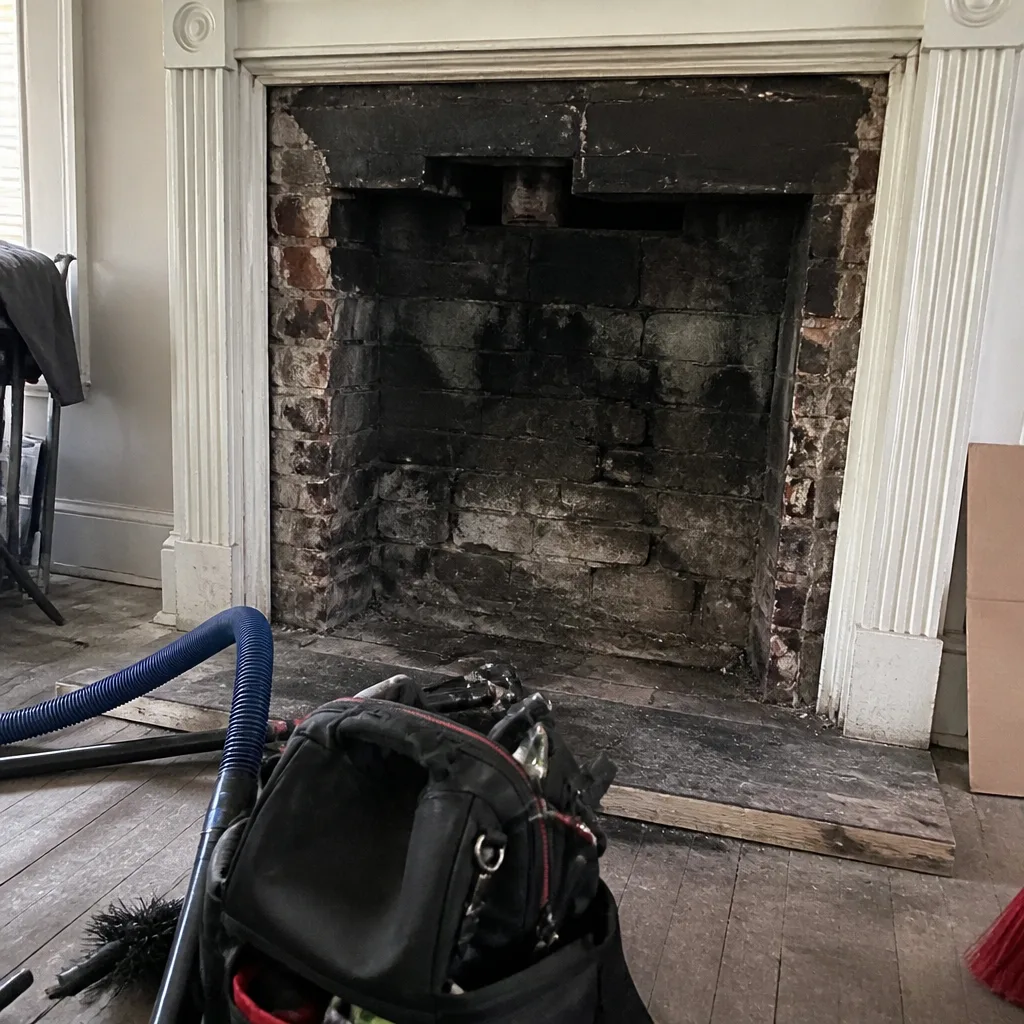
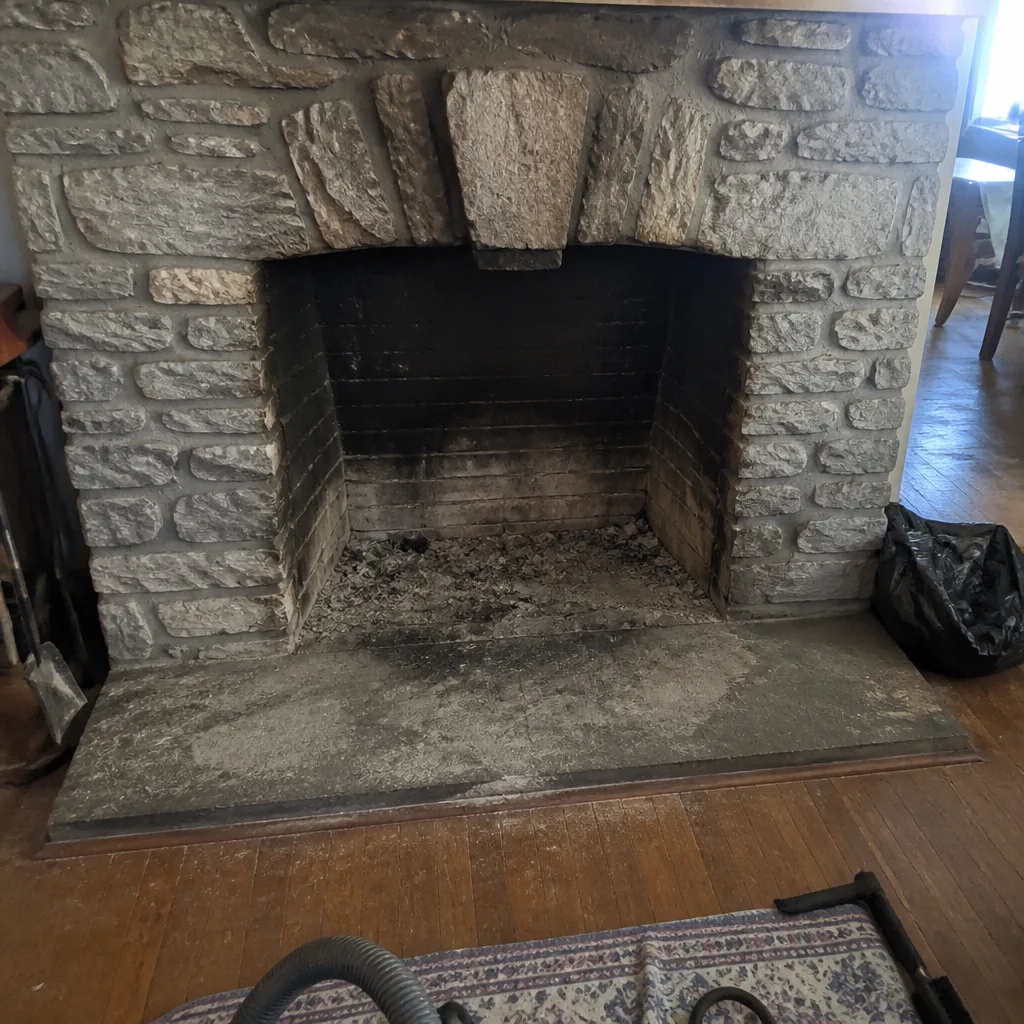 Before
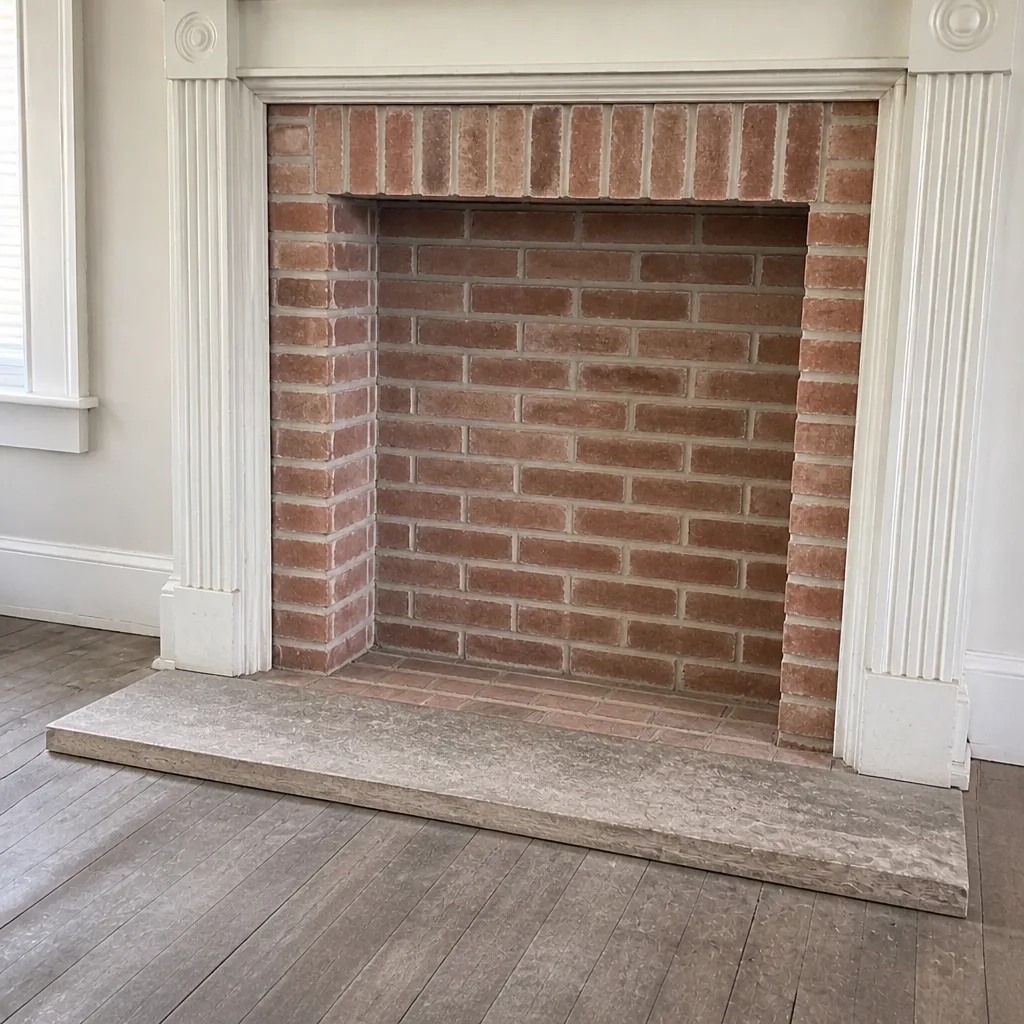
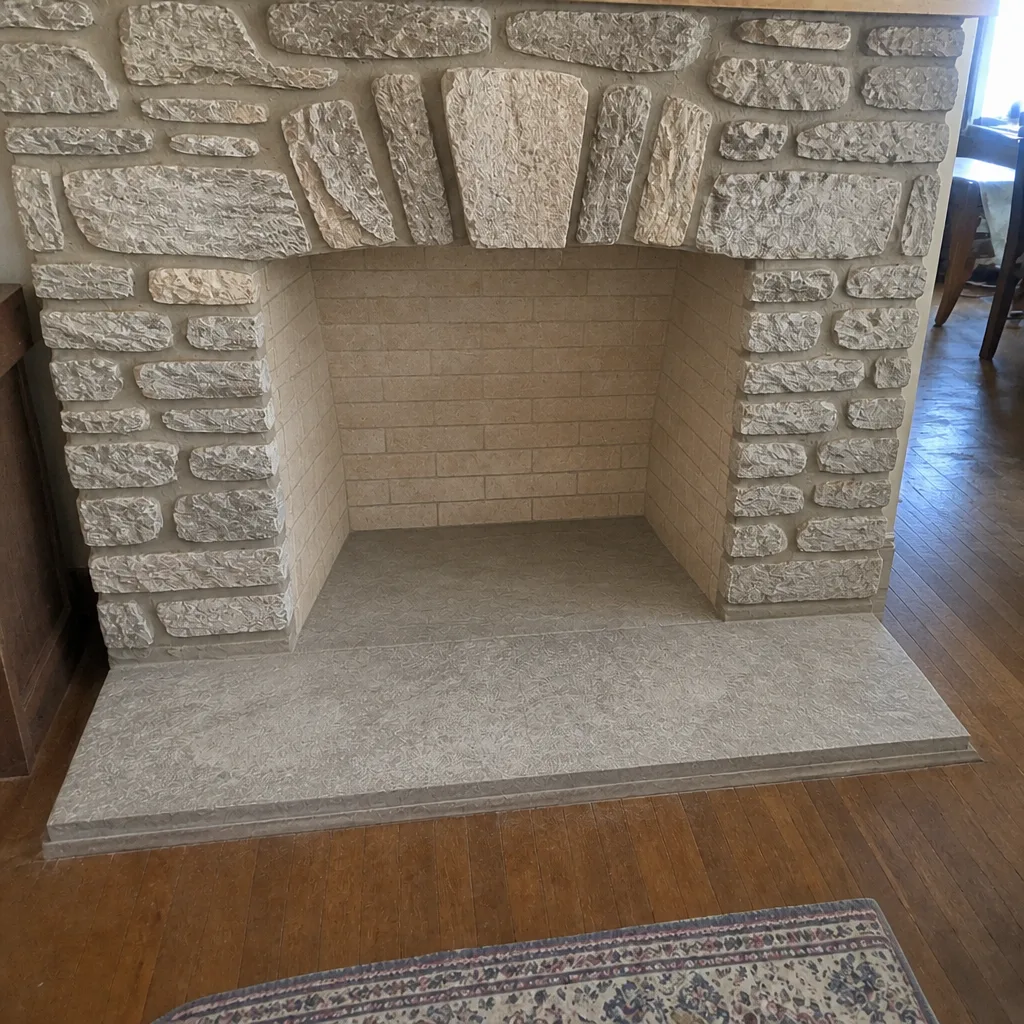 After
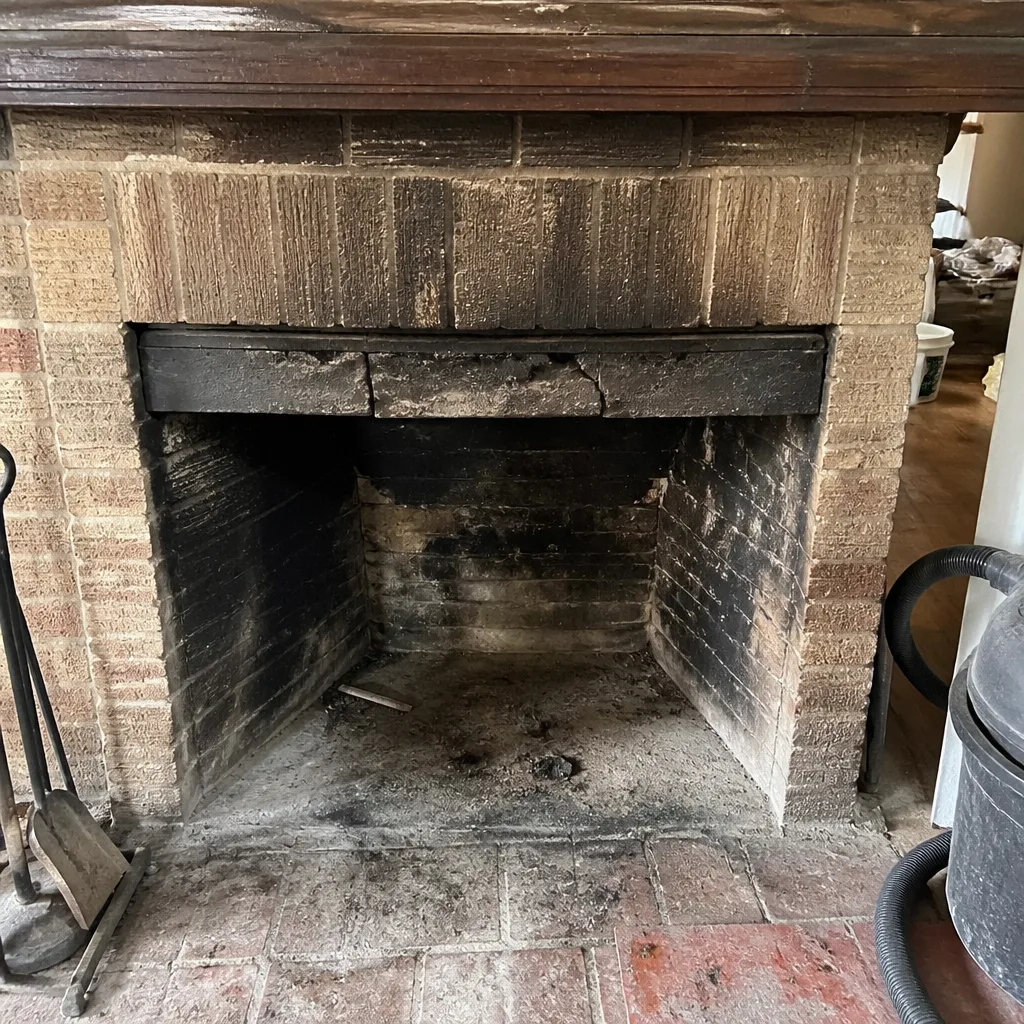 Before
 After
 Before
 After