
Last updated November 22, 2026
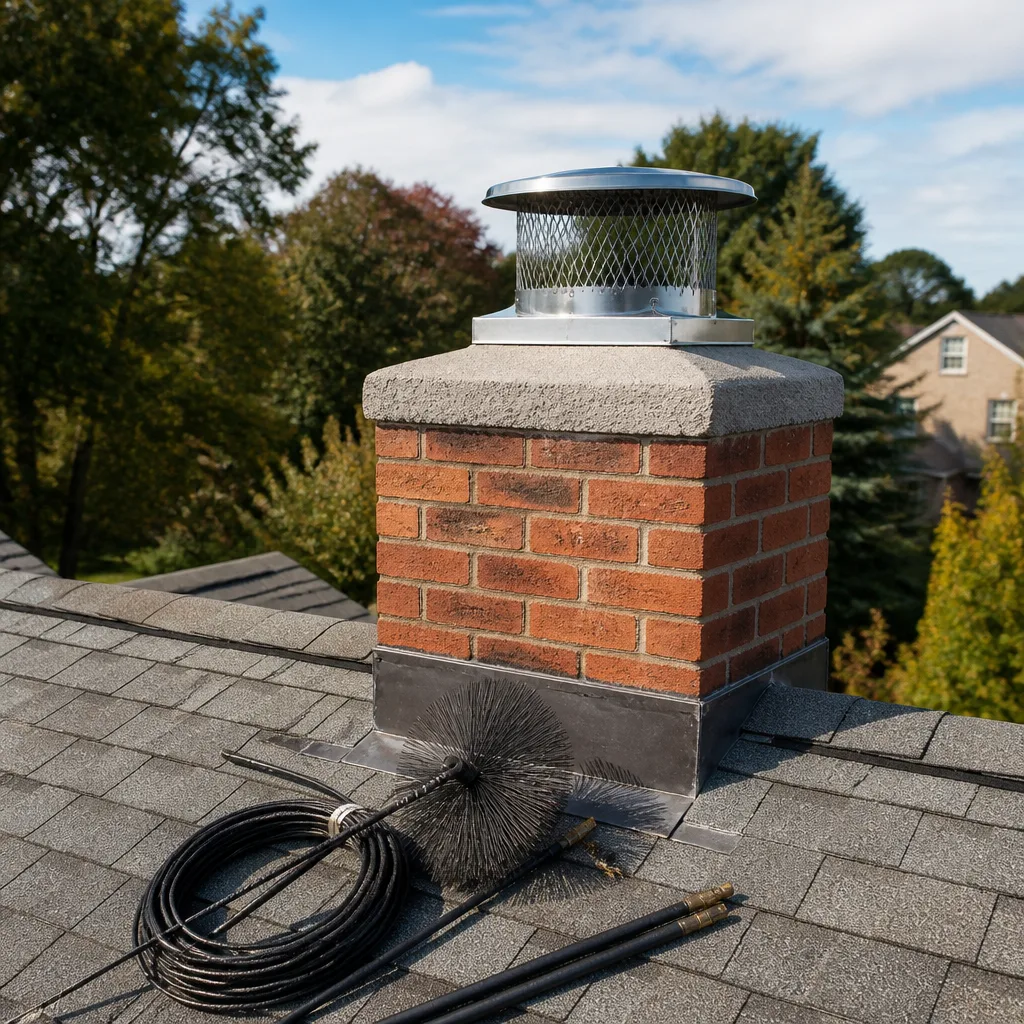 Sweep & inspection
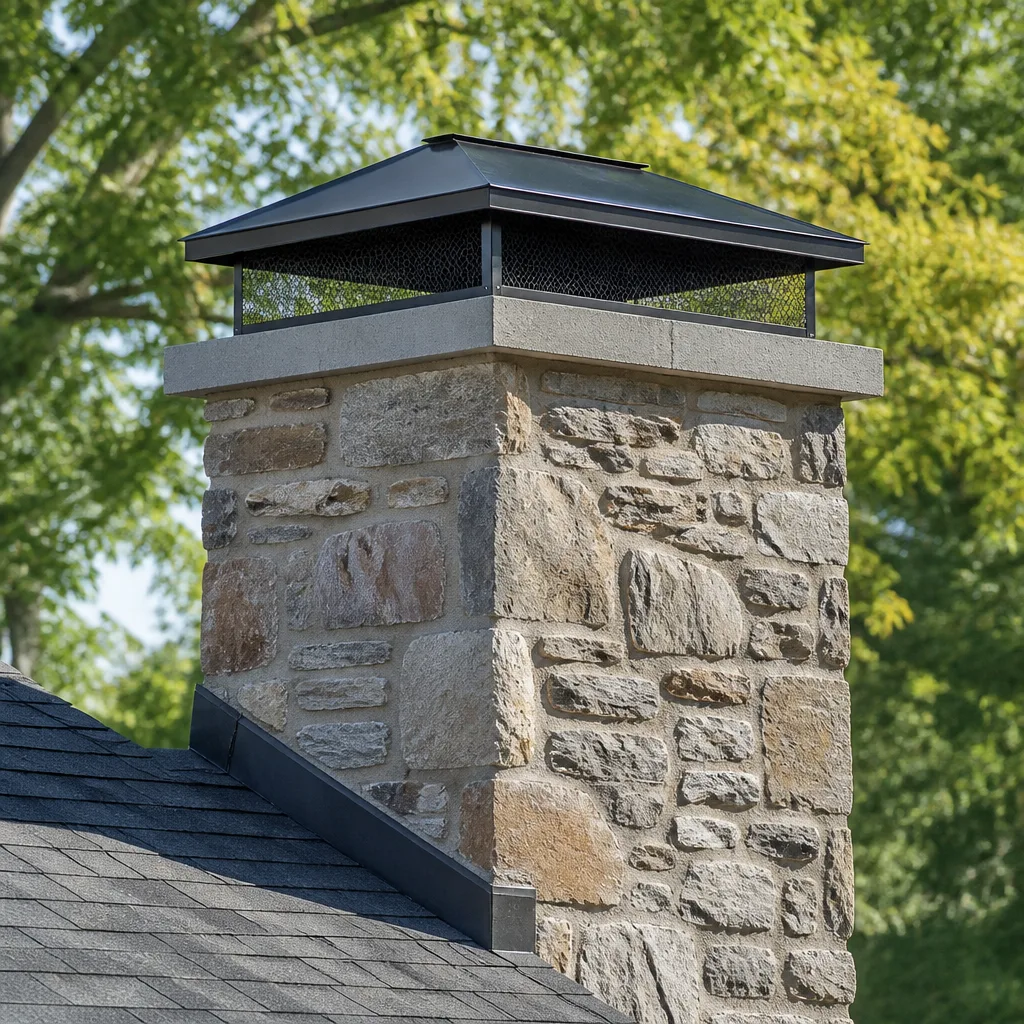 Caps & crowns
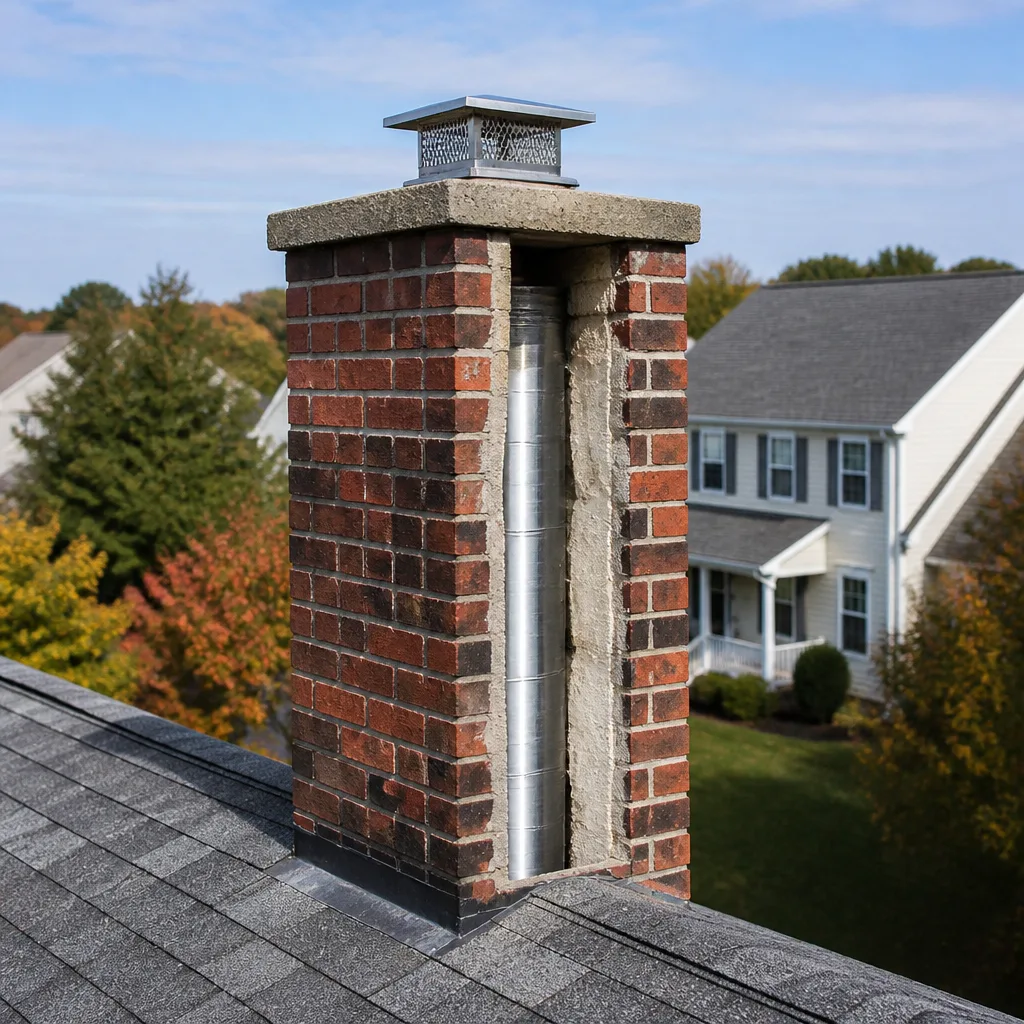 Flue relining
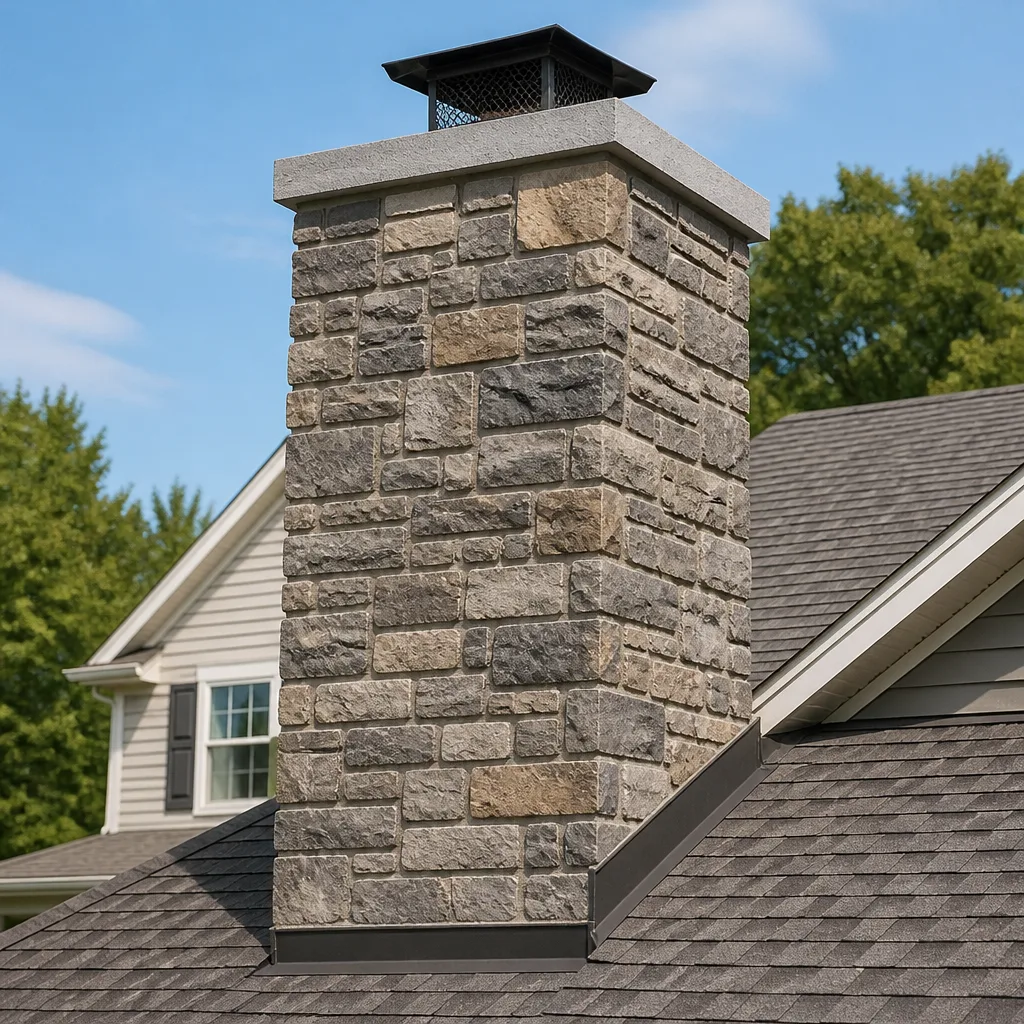 Masonry repair
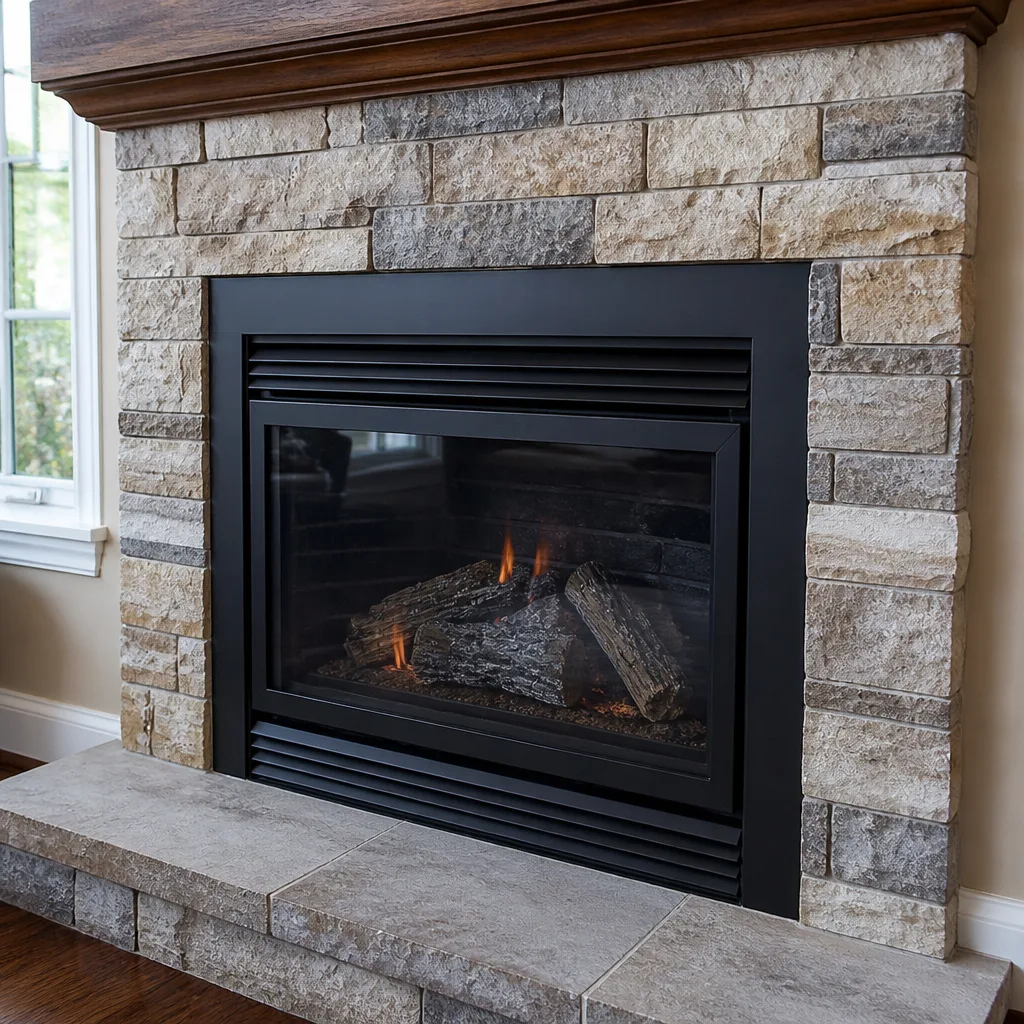 Gas fireplace service
Level 1 sweep and inspection to the NFPA 211 annual standard - flue, crown, cap, and flashing checked and photographed
Chimney sweep logs do not sweep chimneys. They loosen some creosote - which then falls where a brush and vacuum still have to collect it.
The Complete Guide to Chimney Cleaning in Frankford
Most people think a chimney sweep pushes a brush up the flue and vacuums up the mess. That’s the tool, not the job. A chimney can look fine from the firebox and still hide a cracked clay tile liner that lets carbon monoxide into the living space, and the brush is what reveals it. A proper cleaning in Frankford is a diagnostic event as much as a maintenance one. In this guide we’ll walk you through the full anatomy of a professional cleaning visit: the three inspection levels and which one fits your situation, what a sweep actually checks in each zone from the firebox to the cap, how the different stages of creosote change the work, why older Frankford row homes and oil-to-gas conversions produce specific problems, and what a finished cleaning report should contain so you know exactly what was done and what comes next.
Quick Answer
Chimney cleaning in Frankford is an annual service that removes soot, creosote, and blockages while the technician inspects the whole system for structural problems that a firebox view can’t reach. A standard annual sweep typically includes Level 1 inspection of the firebox, smoke chamber, flue, liner, crown, and cap, and you should receive a written report of findings. Cleaning is not just about performance; it’s about keeping combustion gases where they belong.
Styles & brands we work with
- Sweep & inspection
- Caps & crowns
- Flue relining
- Masonry repair
- Gas fireplace service
Table of Contents
- Why Chimney Cleaning Is Really Structural Diagnostics
- The Three Inspection Levels and Which One You Need
- The Six Zones of Your Chimney and What a Sweep Checks in Each
- The Three Stages of Creosote and Why Only One Can Be Brushed
- Frankford Fuel Realities: Row Homes, Oil Conversions, and What a Sweep Finds
- What Happens During a Chimney Cleaning Visit, Step by Step
- What a Completed Cleaning Report Should Include
- How Often Should a Chimney Be Swept?
Why Chimney Cleaning Is Really Structural Diagnostics
The brush and the vacuum are the visible part of the visit, but the reason we’re up on the roof and down in the firebox is to find out what’s happening inside the flue that no one can see from the living room. A clogged flue drafts badly and smells like smoke. A cracked liner tile does something worse: it lets carbon monoxide and hot gases move sideways into the structure of the house, into the masonry cavity, or into a neighboring flue. You can’t detect that by looking into the firebox with a flashlight.
A proper Frankford chimney cleaning uses the brush to remove deposits so the liner surface is exposed, then a camera or mirror to read the liner condition tile by tile. That last step is where the real value of the visit lives. In older Frankford housing stock, mortar joints between clay tiles lose their grip, tiles spall, and hairline cracks open up at seams. None of that is visible unless somebody gets up there and looks with the brush out of the way.
That’s also why we don’t treat the sweep as a standalone errand. A sweep is the entry point into a diagnostic look at the whole system, and the whole system is what determines whether your fireplace is safe to burn tonight or needs repair work first. When we’re done and the report shows a liner at the end of its service life, we can talk you through the options rather than send you looking for a second contractor.
Breaking this down further, a sweep serves three purposes at once. It removes fuel for a flue fire. It restores draft and airflow. It exposes the liner so its condition can be read. If a cleaning company isn’t doing the third thing, the visit is only doing part of the job.
The Three Inspection Levels and Which One You Need
The chimney industry recognizes three standardized inspection levels. Knowing which level applies to your situation keeps you from paying for more than you need or from walking away with too little.
- Level 1. A visual check of readily accessible parts of the system: firebox, damper, smoke chamber where reachable, flue (typically from the top and bottom), crown, and cap, without power tools or opening any structure. This is the standard inspection that accompanies an annual sweep when the chimney is in known service and no problems have surfaced.
- Level 2. All of Level 1 plus access to concealed areas, usually with a video camera, and often including an attic, crawl, or roof-level look at the exterior of the flue. Required after a chimney fire, when a property changes hands, when a fuel type changes, and when a new appliance is being connected.
- Level 3. Diagnostic investigation that requires opening parts of the chimney or building structure, such as removing masonry or cutting into a wall to reach a suspected defect discovered at Level 2. Reserved for cases where a specific problem can’t be confirmed any other way.
For a routine annual cleaning in Frankford, Level 1 applies. If you just bought an older property in the neighborhood, or the house has been converted from oil to gas, or you know there’s been a chimney fire, you need a Level 2. In our experience, the Level 2 is the one people skip and later wish they hadn’t, because the most serious liner problems surface exactly when ownership changes and the new owner has no history of the flue.
A sweep and a Level 2 inspection are not the same service, though they often happen in the same visit. The sweep cleans; the inspection documents the system. Both are worth having in writing.
The Six Zones of Your Chimney and What a Sweep Checks in Each
Every chimney is the same six-zone system from the fire to the sky. During cleaning we cycle through them in order, and each zone has its own failure points.
- Firebox. The brick, mortar, fireback, and damper. We’re looking for loose joints, cracks in the fireback, rusted or frozen damper blades, and any gap where combustion gas can escape past the masonry.
- Smoke chamber. The sloped area above the damper that funnels smoke into the flue. This zone collects soot faster than anywhere else because the smoke slows down here. We check for cracks, missing parging, and whether the smoke chamber has been properly shaped or left as a rough stack of brick.
- Flue. The vertical passage, most often clay tile in Frankford homes. We check for flue sizing relative to the appliance, offset angles, and evidence that the flue serves more than one appliance.
- Liner. The interior surface of the flue itself. Cracked tiles, spalled clay, missing mortar joints, and loose tile are the major concerns. This is the zone the brush reveals and the reason cleaning matters more than most owners realize.
- Crown. The concrete or mortar cap on top of the chimney stack. A cracked crown lets water into the masonry mass, which then freezes and expands in cold Frankford winters and pushes the crack wider. Small crown cracks become rebuild jobs if left long enough.
- Cap. The metal hood over the flue opening. It keeps rain, snow, birds, and squirrels out. A missing or damaged cap is one of the most common findings in older neighborhood housing, and it’s a straightforward fix that prevents expensive damage.
Waterproofing the crown and cap is often the cheapest preventive work on a Frankford chimney, and it’s the work that gets deferred longest. A deteriorating crown is a chimney repair issue, not a cleaning issue, but a good sweep will flag it before it becomes a masonry rebuild.
The Three Stages of Creosote and Why Only One Can Be Brushed
Creosote forms when wood smoke condenses on a cooler flue surface. How it lands depends on burn temperature, fuel moisture, and flue temperature, and it falls into three stages that behave very differently.
- Stage 1: soot and flaky dust. A thin, powdery deposit that brushes off easily. This is what most annual Frankford cleanings start and end with, and it’s a routine problem.
- Stage 2: hardened flake and crust. Creosote that has baked onto the liner and forms a crusty layer that a standard hand brush won’t remove cleanly. Stage 2 needs rotary brushing with the right head, sometimes a chemical treatment to soften the crust before brushing, and occasionally a chemical sweep additive over the following weeks to complete the removal.
- Stage 3: glazed, tar-like fuel. Dense, shiny, and essentially a solid layer on the liner. A brush alone won’t touch it. Stage 3 creosote is highly combustible and is the deposit most often associated with chimney fires. Remediating it usually needs chemical softening, aggressive rotary work, or in serious cases replacement of the affected liner section.
The key point: at Stage 1, cleaning is maintenance. At Stage 2, cleaning is a specialized service. At Stage 3, cleaning is the first step of a repair project. If a sweep-only company tells you Stage 3 is a brush-and-go job, they’re not being honest with you about what’s on your liner.
We work with DuraFlex for liner replacement when a Stage 3 flue can’t be restored. When a liner is still structurally sound underneath Stage 2 deposits, HeatShield ceramic repair is often a way to restore the inner surface without tearing the liner out. Those are two very different jobs, and they come from the same diagnostic look at the flue.
Frankford Fuel Realities: Row Homes, Oil Conversions, and What a Sweep Finds
Frankford has a housing stock that puts specific demands on a chimney, and a sweep who doesn’t adjust for those demands is missing half the picture.
Older row homes
Frankford was largely built out in the era of brick and clay tile, and many of the row homes in the neighborhood have tight party walls and narrow flue stacks. Because row homes share walls, a chimney that has lost its crown can hide water intrusion that damages masonry along the shared boundary. Tile liners in these homes also often had mortar joints that have now aged, and joint failure shows up as cracks and gaps in the flue at hip height. When we sweep a row-home chimney in Frankford, we treat the shared-wall side of the stack as a zone to inspect carefully, not a formality.
Oil-to-gas conversions
Many Frankford homes were originally heated with oil and have since been converted to gas. A gas boiler or furnace vents into a flue designed for a very different appliance, and that matters in two ways. First, gas appliances produce water vapor, and a clay liner sized for oil doesn’t always handle the flue-gas temperature and moisture profile well. Second, the flue may need an appropriately sized liner for the appliance and its venting setup. When we find a converted home where the original clay flue is still in service, that’s a Level 2 inspection situation: it requires a proper look at how the appliance is venting and whether the flue is a match for the new fuel.
Fireplaces and the older boiler flue
Some Frankford homes have two flues under the same stack: one for the fireplace and one for a heating appliance. When the heating appliance is decommissioned, the unused flue becomes a draft problem and a moisture trap. Sealing it properly is a five-minute decision that prevents years of trouble. We check for that when we’re up on the roof.
What Happens During a Chimney Cleaning Visit, Step by Step
A professional chimney sweep is a controlled process from the moment we walk in to the moment we hand you the report. Here’s how a typical Frankford cleaning visit runs.
- Interview. We ask about the appliance, how often you burn, fuel type, any prior fires or oil-to-gas conversion, and any smells or smoking issues. That conversation shapes what we focus on inside the flue.
- Area protection. Drop cloths over the hearth and floor, and a HEPA-grade vacuum running before any tool goes into the firebox.
- Firebox and smoke chamber. We inspect the damper, fireback, and visible masonry, then clean the firebox floor and work up through the smoke chamber.
- Flue and liner. A brush head sized to the flue is run from the top down, and the deposit comes out of the firebox and into the vacuum. What’s left after the brush is what we read with a camera.
- Rooftop zone. Cap condition, crown cracks, stack masonry, and flue opening.
- Report and walkthrough. We photograph the findings and walk you through what we saw in each zone, including anything we want you to watch over the next season.
Two things make this run cleanly: the vacuum comes on early, and the camera stays on at the end. If either of those isn’t happening at your house, the visit isn’t done.
One of the practical benefits of working with a company that only does chimneys is that we diagnose the system rather than just the symptom, which shows up most clearly in this step-by-step process. We’re not a general contractor picking up a brush on the side.
What a Completed Cleaning Report Should Include
The report is the part of the visit most people walk away without, and it’s the part that protects you. A useful report gives you enough detail to understand your system without a second visit, and it matches what was actually seen during the sweep.
- The level of inspection performed, so you know what was examined and what wasn’t.
- Zone-by-zone findings for firebox, smoke chamber, flue, liner, crown, and cap, with the condition of each.
- Creosote stage found and how much deposit was removed.
- Photographs of the liner, crown, and cap, ideally including the camera view of the flue interior.
- Any item that requires repair, with a plain-language explanation of why it matters and what happens if it’s deferred.
- Recommended next step: another sweep next year, a repair job, or a follow-up inspection.
When the report is honest, it will sometimes say “come back next year and we’ll sweep again.” That’s the right answer when the liner is sound and the deposits are Stage 1. If a cleaning company can never look at a flue and say “you’re fine,” something is off.
Nothing is recommended without camera evidence you can see for yourself. If we tell you a liner needs replacing, you’ll see the cracked tile in the photograph. If we tell you a crown needs sealing, you’ll see the crack. That’s the standard we work to.
How Often Should a Chimney Be Swept?
The general rule is to have a chimney swept annually while it’s in use, with an additional sweep or inspection if you burn heavily, if the appliance changes, or if you notice a change in draft or a smell of creosote or smoke in the house. Wood-burning fireplaces used regularly through the Frankford winter usually warrant the annual sweep at the least. Gas appliances vent differently, but they still need an inspection on the same annual cadence, particularly after a conversion.
Sweeping is scheduled, not urgent. There’s no clock on a chimney that says “clean it this week or a fire happens tonight.” What matters is having it done before burning season so the liner condition gets read while there’s still time to plan repairs.
- Yearly for an in-service fireplace, before burning season starts.
- After a chimney fire without exception, because the fire damages the liner even when nothing visible is cracked.
- When you buy an older home in Frankford, before the first fire in the property.
- Whenever the appliance changes, whether fuel type or equipment, so the flue can be checked against the new venting.
If you’re not sure whether you’re due, call and describe the system. A two-minute conversation usually answers it.
Common Mistakes to Avoid
- Treating the visit as a cleaning-only errand. A sweep without a camera look at the liner misses the one finding that most affects household safety. Ask for the liner to be photographed, not just brushed.
- Skipping the post-purchase inspection on a converted Frankford home. If the house was oil and is now gas, the original flue may not match the appliance. Level 2 exists for exactly this case.
- Burning wet or unseasoned wood. High moisture content drops flue temperature and drives creosote to Stage 2 fast. Seasoned, dry wood is the single biggest lever on how quickly deposits accumulate.
- Using a “cleaning log” instead of a real sweep. Chemical chimney brushes and log products can loosen deposits but they don’t reveal liner condition and they don’t substitute for an annual sweep.
- Ignoring the crown until it’s a rebuild. Small crowns cracks in Frankford’s freeze-thaw winters spread into masonry damage. Sealing or repairing early is a small job; rebuilding the stack is not.
- Believing an old flue can always be reused after a conversion. Sometimes it can and sometimes it can’t. The only way to know is a proper Level 2 look at the liner and the appliance venting.
- Calling a general handyman for chimney work. The chimney is a specific trade. A chimney sweep in Frankford who works only on chimneys and fireplaces catches liner defects that a multi-trade contractor is not set up to see.
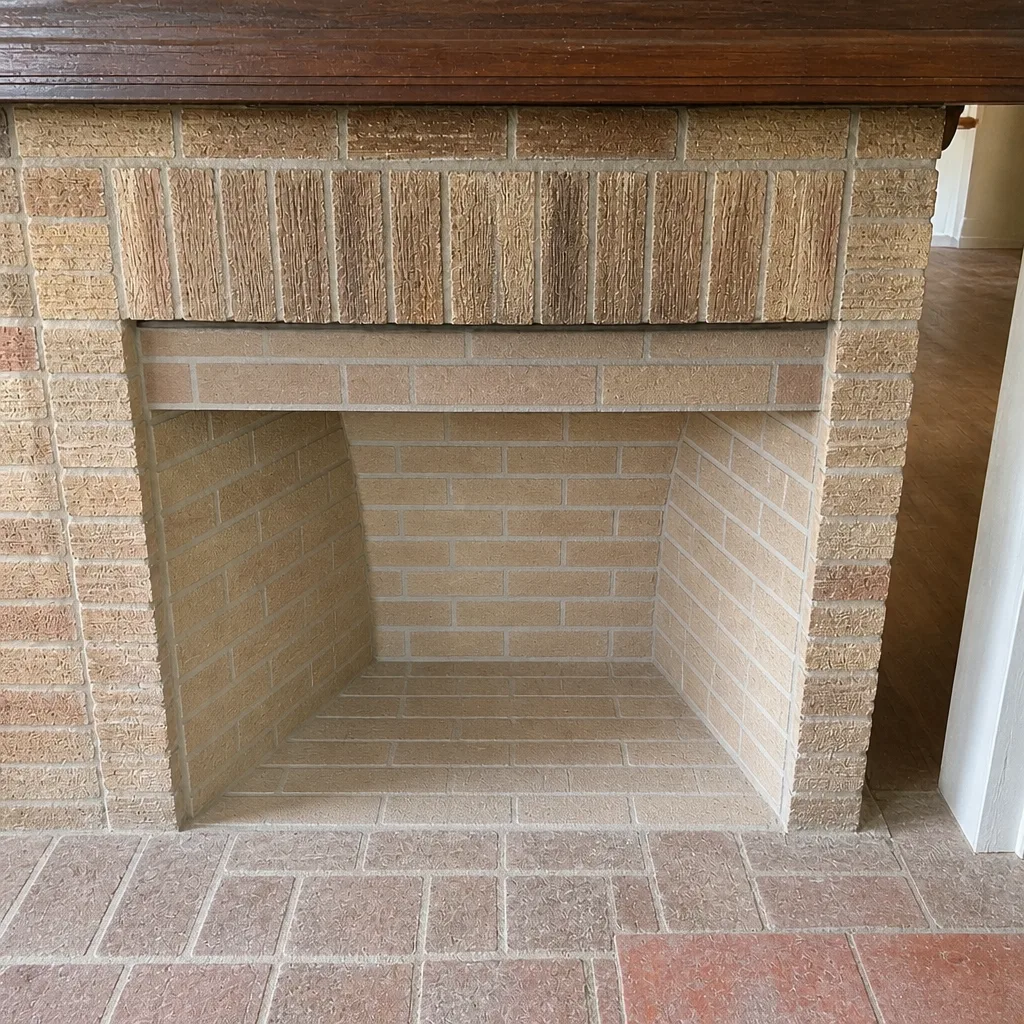
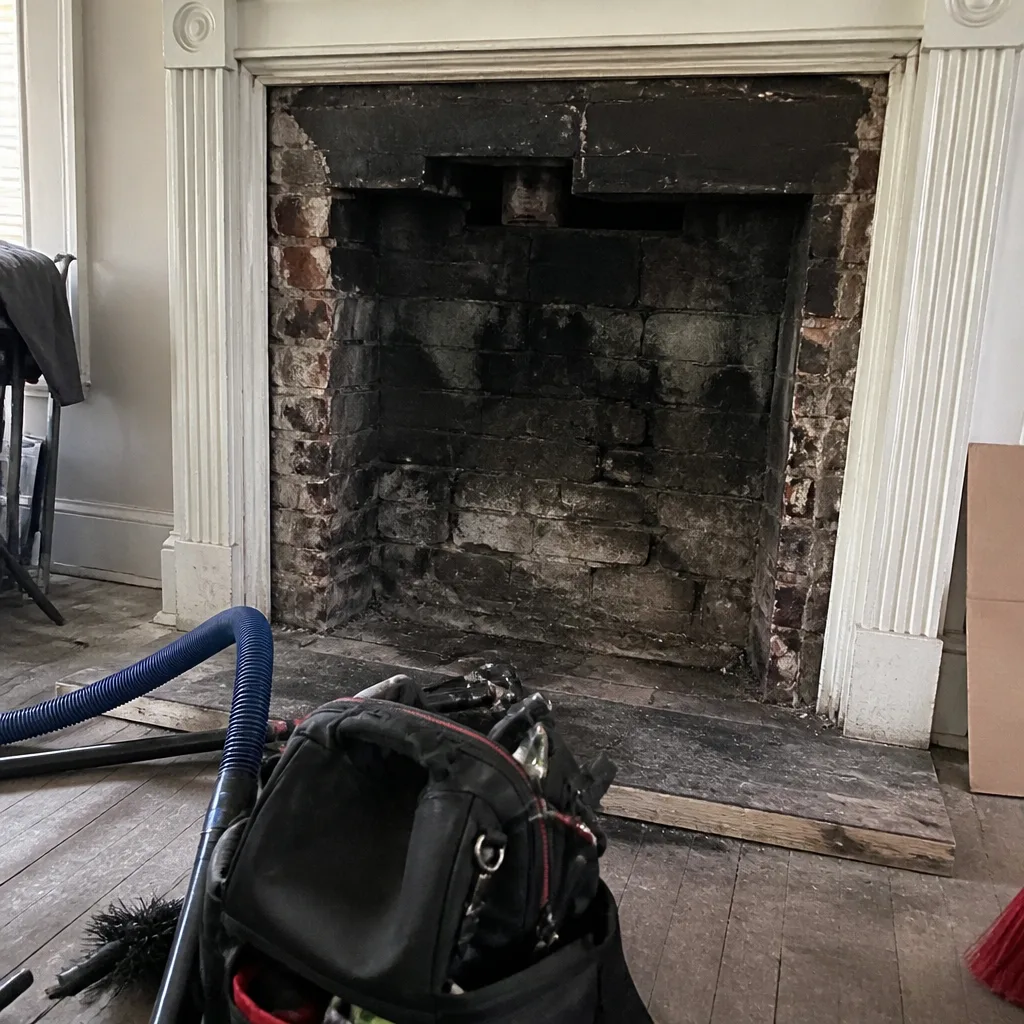
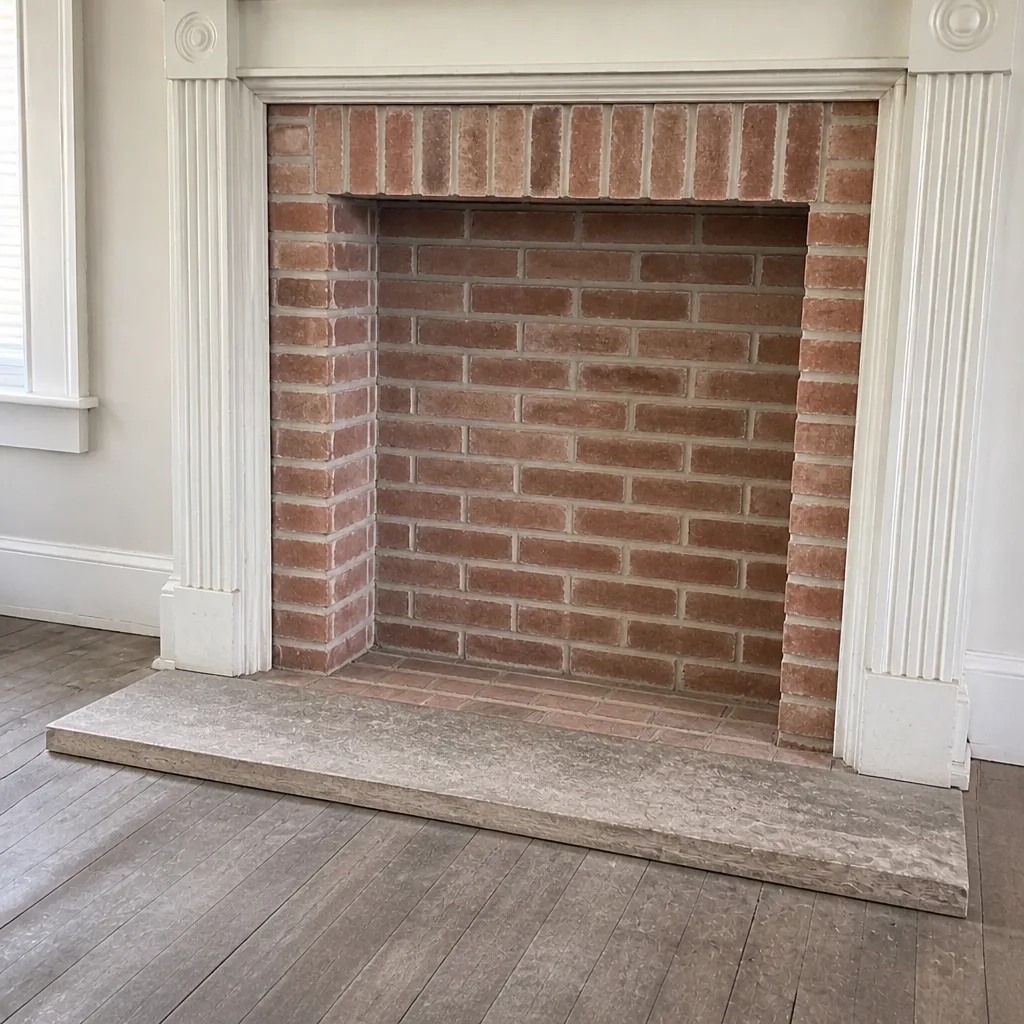
See the difference
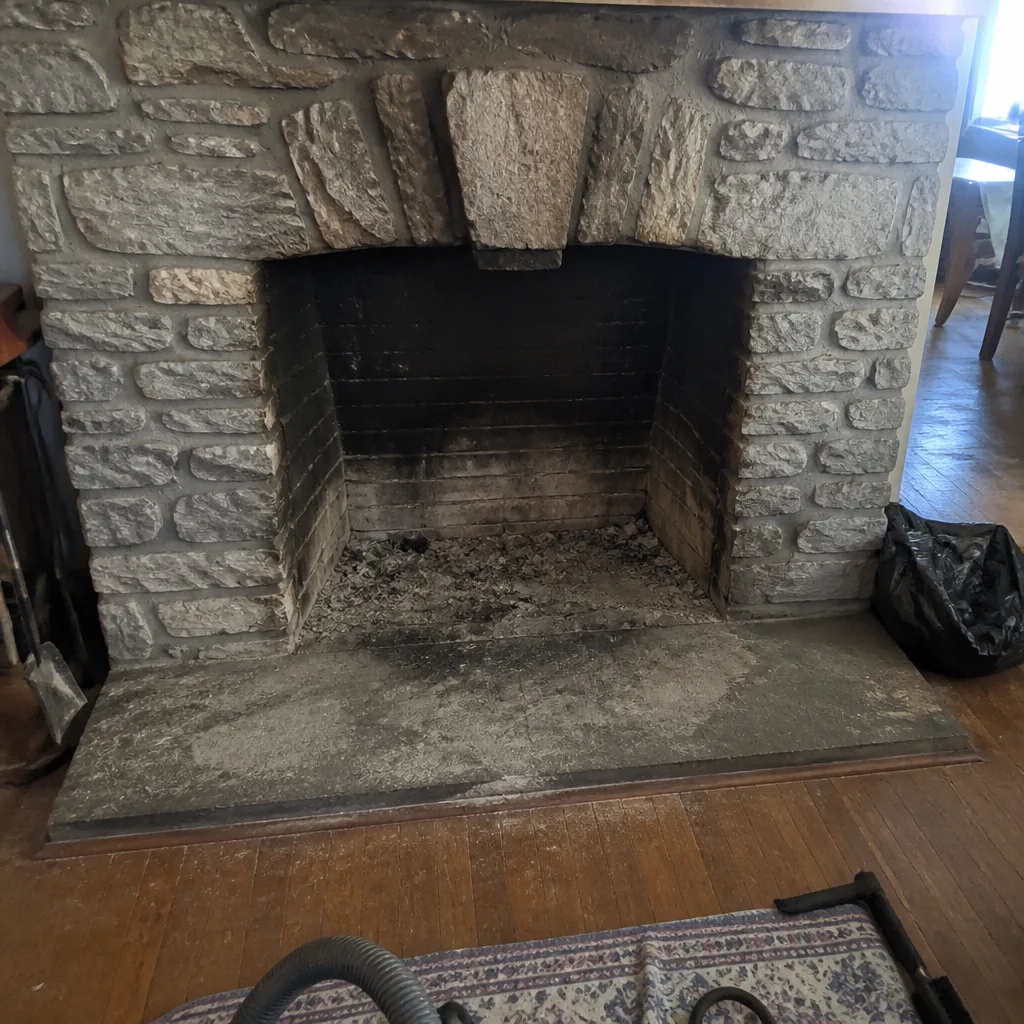 Before
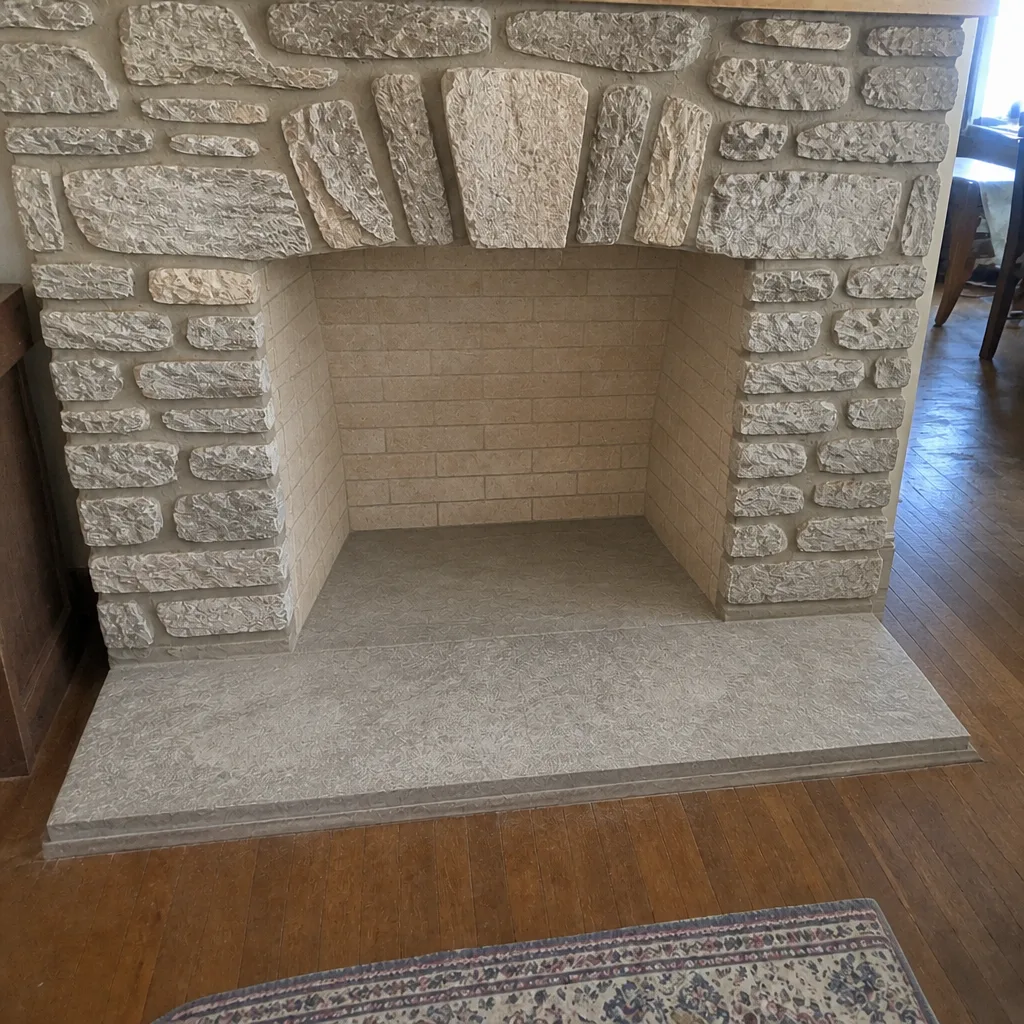 After
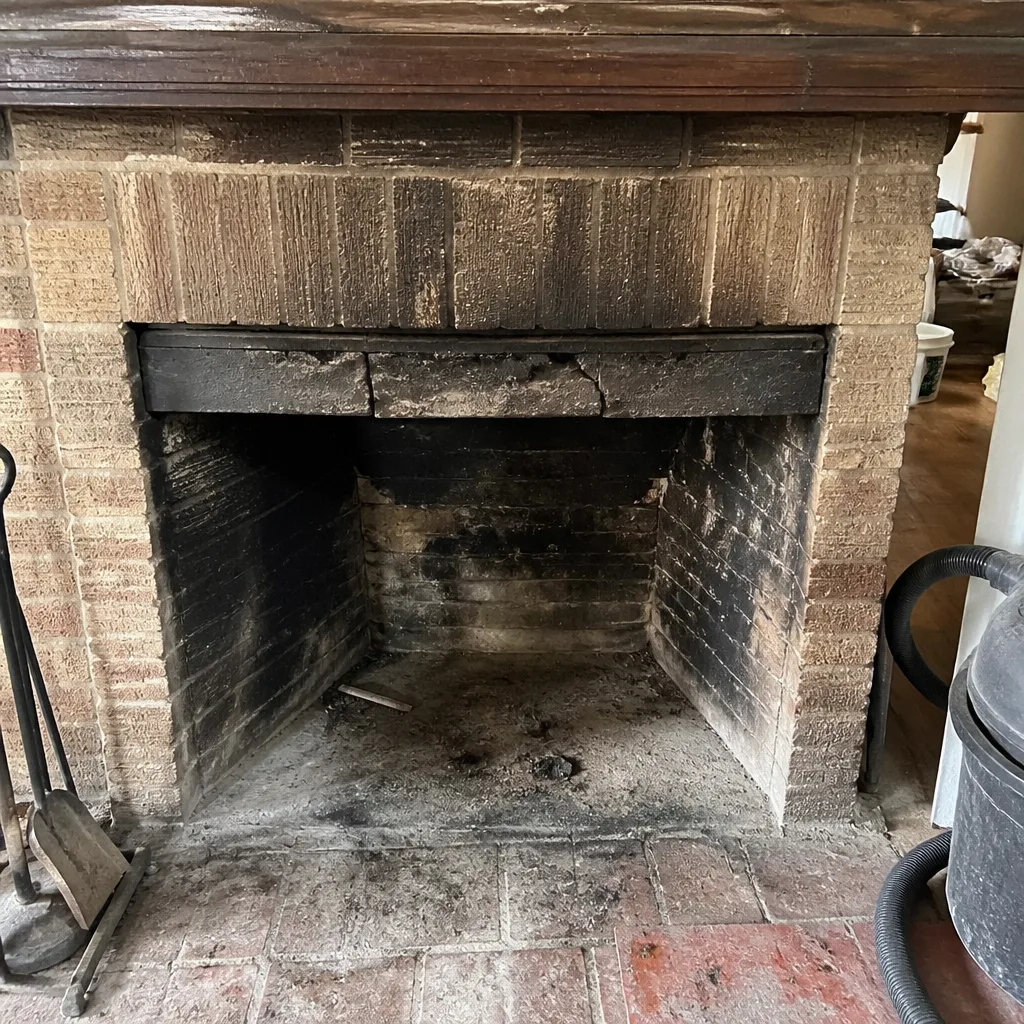 Before
 After
 Before
 After
When to Call a Professional
Call us when any of these describes your situation: your fireplace hasn’t been swept in over a year, you just bought an older Frankford property and haven’t had the chimney inspected, the house was converted from oil to gas, you smell smoke or creosote in the living space, the fireplace struggles to draft, a chimney fire is known or suspected, or the crown or cap is visibly damaged. Call if you’ve been told the liner needs replacing and want a second read you can verify with photographs. Chimney Sweep Frankford offers free estimates in Frankford, and we bring camera evidence and photographs as part of the visit. Call (833) 962-9222. We answer 24/7. Fast dispatch from 7am to 7pm, Sunday through Friday.
Frequently Asked Questions
Chimney cleaning in Frankford is priced by job based on the flue type, appliance, and what we find when we look inside, and you’ll get a written estimate before we start. We don’t quote a flat number over the phone because two fireplaces in the same block can be different systems, and we won’t guess. The estimate is free. Call (833) 962-9222 for an exact quote.
Not necessarily, and you shouldn’t take our word that you do without seeing it. A liner needs replacing when there are cracks, open joints, or a glaze of Stage 3 creosote that can’t be restored. In some of those cases, HeatShield ceramic repair can restore the liner surface without a full replacement. We show you the camera view, walk you through what we see, and let you decide. If it can wait, we tell you it can wait. Call (833) 962-9222 to set up the inspection.
Once a year for a fireplace in regular use, before the burning season, and additionally after any suspected chimney fire, at a change of ownership, or when the appliance or fuel type changes. A gas appliance still needs the same annual inspection once it’s in service. Call (833) 962-9222 to schedule your annual sweep.
You accumulate creosote you can’t see, and you lose the annual chance to catch a liner crack or a crown problem before it gets bigger, both of which are the actual fire and carbon-monoxide concerns with a chimney. Skipping a year isn’t a catastrophe; skipping several is how a small crack becomes a liner replacement. Call (833) 962-9222 for an exact quote on getting back on schedule – the estimate is free.
Yes, cleaning and inspection happen in the same visit for a standard annual service. We sweep the flue, then read the liner condition with a camera, and you get the findings in a written report. For a converted home or a house that just changed ownership, we may recommend a Level 2 inspection, which is a second, more detailed look. Call (833) 962-9222 to talk through which applies to you.
Yes. Frankford coverage extends across the surrounding neighborhood, including Franklin Park and nearby row-home blocks. Homeowners in the area regularly book annual sweeps and liner inspections through us, and the same visit format applies whether you’re in a converted row home or a detached house. Call (833) 962-9222 to check availability for your address.
The Bottom Line
Chimney cleaning is the tool that lets a trained specialist see what’s happening inside your flue, not a soot-removal chore. The three things to remember: the brush reveals the liner, the creosote stage changes the work, and the report tells you what was found and what’s next. If you’re in Frankford and haven’t had that look in over a year, or you’ve just bought a converted older home, book a sweep before burning season. If it’s been done and it’s all clear, you can wait a year. The decision is easier when you have photographs. Call (833) 962-9222 for a free estimate, or to schedule your annual sweep and inspection with the team.
Written by the team at Chimney Sweep Frankford.