
Last updated November 22, 2026
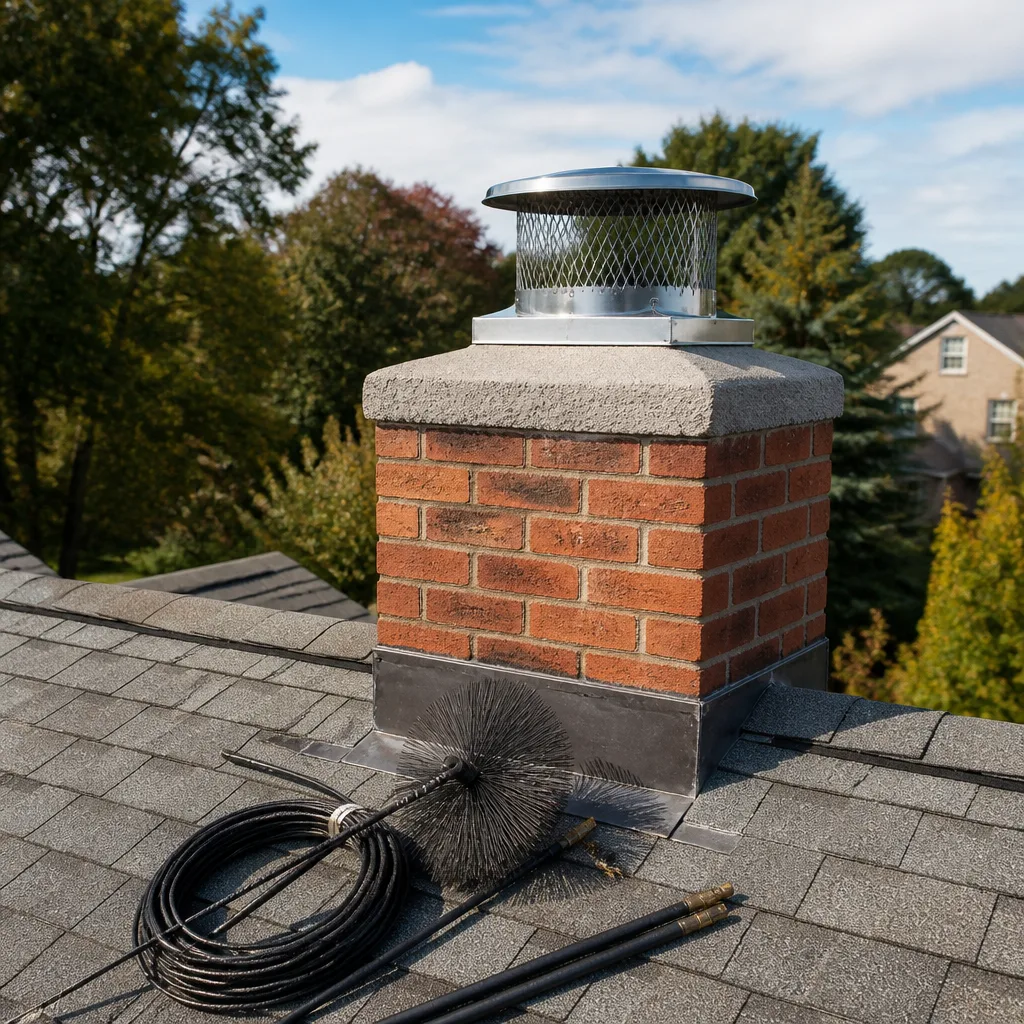 Sweep & inspection
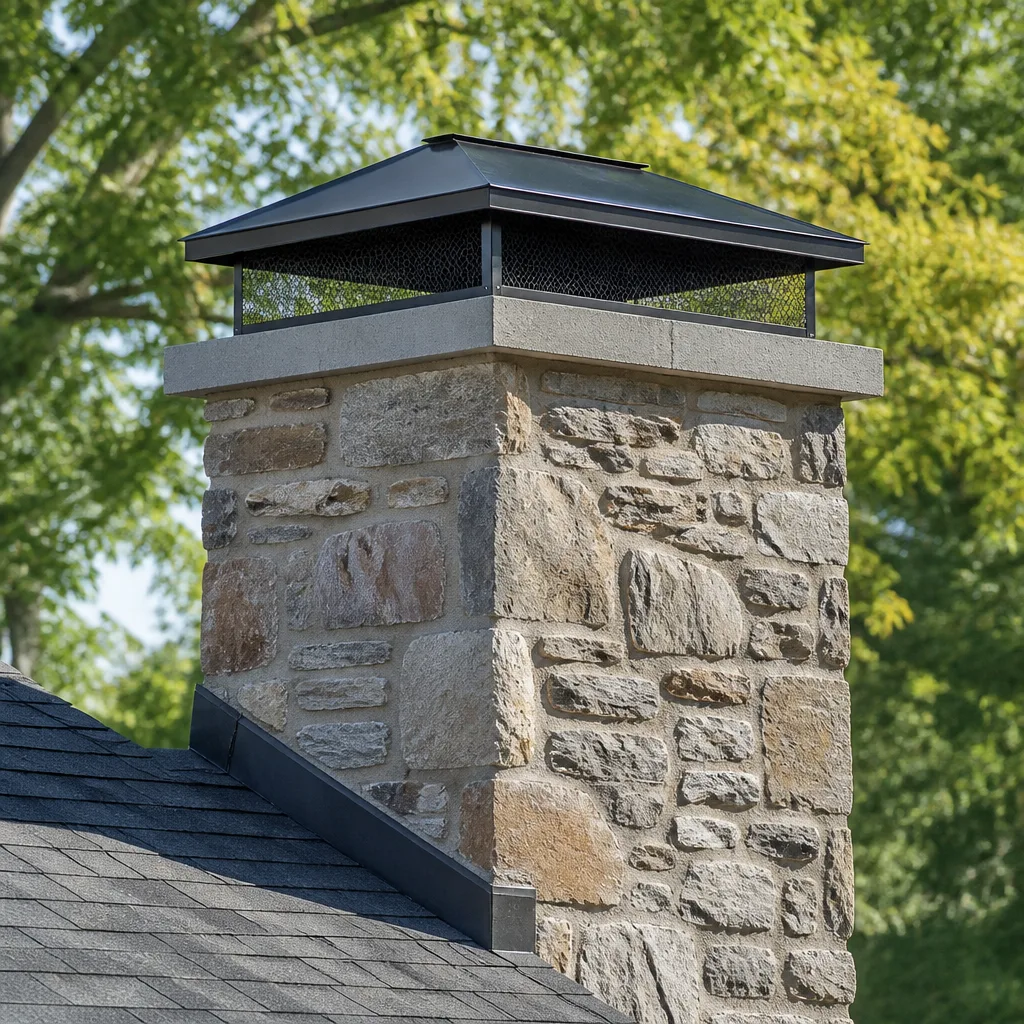 Caps & crowns
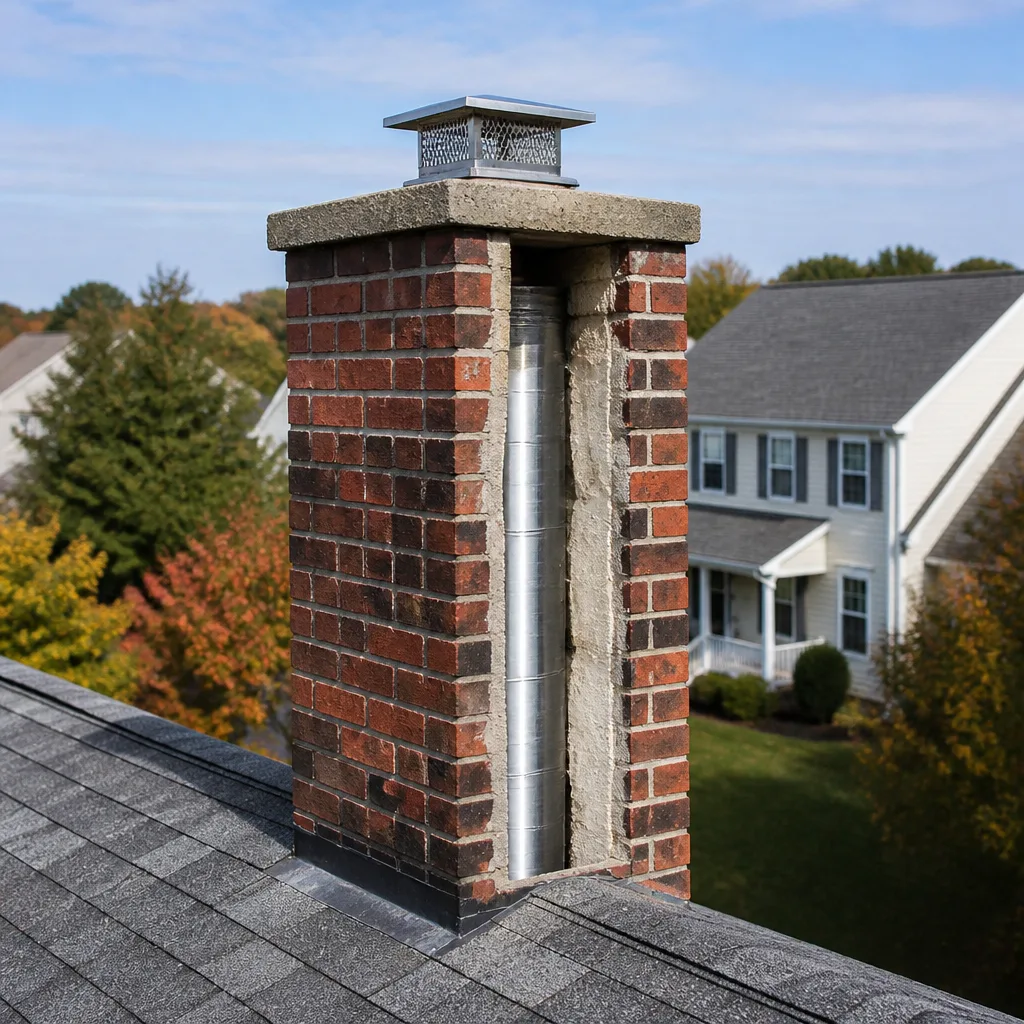 Flue relining
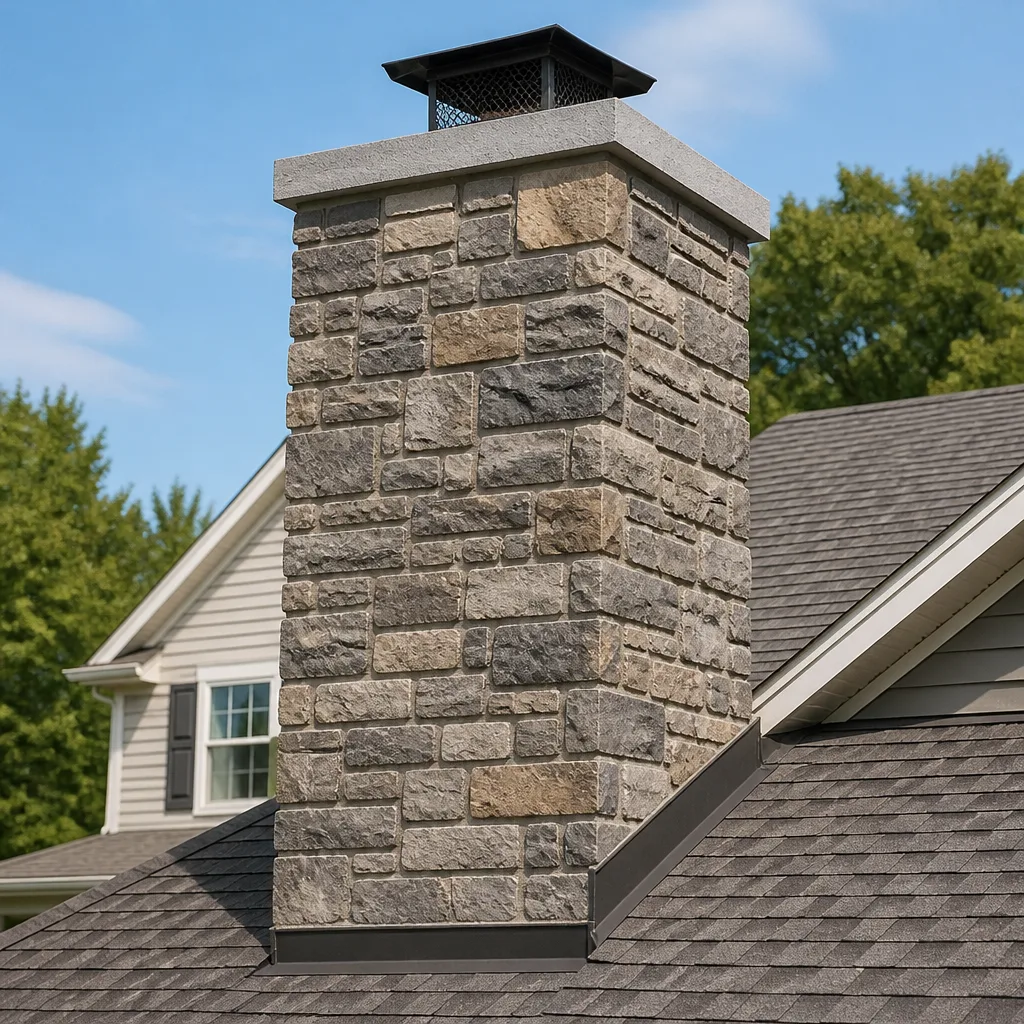 Masonry repair
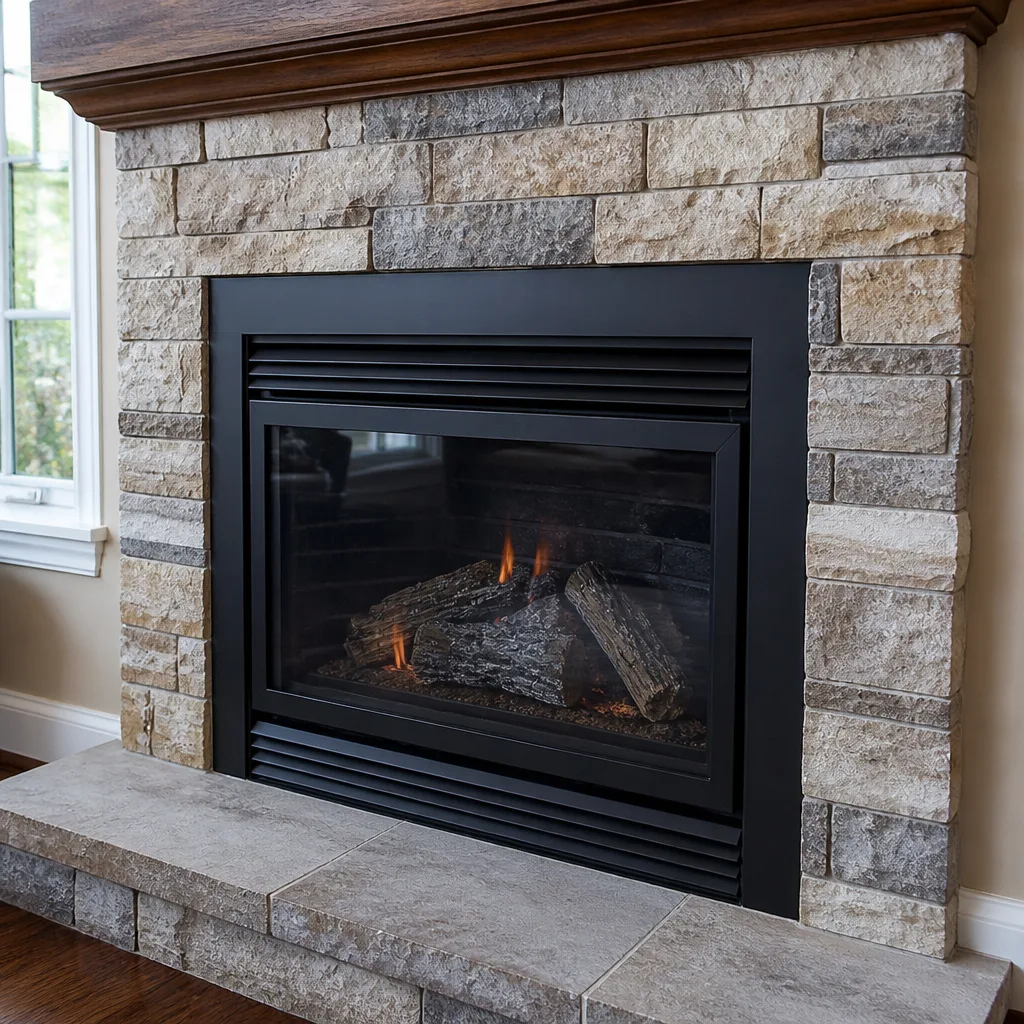 Gas fireplace service
Level 1 sweep and inspection to the NFPA 211 annual standard - flue, crown, cap, and flashing checked and photographed
Chimney sweep logs do not sweep chimneys. They loosen some creosote - which then falls where a brush and vacuum still have to collect it.
Chimney Sweep Troubleshooting in Frankford: Common Problems and How to Fix Them
Most chimney problems homeowners try to diagnose online aren’t the problem at all. Smoke rolling into the room, a draft that won’t pull, a smell that shows up every humid week: these are symptoms, and the real cause usually sits somewhere upstream in the flue system, not at the firebox where you notice it. Chase the symptom and you relight, you open a window, you buy a different log. Chase the cause and you often find a cap that failed, a crown that cracked, or a flue sized for a furnace that’s now running a modern insert. This guide works backward from what you’re seeing to what’s actually wrong, and it’s written from Frankford, where the housing stock makes a few of these failures especially common.
Quick Answer
A smoking fireplace, weak draft, chimney odor, or staining on the masonry almost always traces back to one of four root causes: a blocked or undersized flue, a failed cap or crown, negative pressure created by the home or the roofline, or a liner that has deteriorated past the point of safe venting. In Frankford, the most common hidden culprit is an oversized flue from pre-1970 construction paired with a modern efficient insert that can’t vent properly through it. The right fix depends on which cause you actually have, which is why a camera inspection comes before any repair quote.
Styles & brands we work with
- Sweep & inspection
- Caps & crowns
- Flue relining
- Masonry repair
- Gas fireplace service
Table of Contents
- Why does smoke roll into the room when the wind picks up?
- Slow draft: what’s really choking the flue
- Chimney odor and what it’s telling you
- Staining and efflorescence on the masonry
- Why Frankford’s older housing stock creates oversized flues
- Roofline, height, and row-home pressure problems
- What a proper diagnostic sequence looks like
- What you can monitor vs. what needs a camera inspection
Why does smoke roll into the room when the wind picks up?
Smoke that rolls into the room on a windy day is usually a pressure problem at the top of the chimney, not a fire-building problem at the bottom. When wind hits the roofline and the structures around it, it creates zones of high and low pressure. A properly fitted cap and a sound crown deflect that wind and keep the flue termination in a stable pressure zone. When the cap is missing, bent, or sized wrong, or the crown has cracked and settled, the wind gets a direct shot at the flue opening and pushes air back down the chimney. That back-pressure overwhelms the weak upward draft a residential flue produces, and the smoke has nowhere to go but into the room.
In Frankford, where rooflines sit close together and prevailing wind tends to come across the fronts of the blocks, this shows up most on the exposed side of a row. The tell is timing: if the smoke only rolls when the wind is up and settles when it’s calm, you’re looking at a termination problem, not a wood problem. A chimney cap & crown inspection is the first stop, and it’s usually the cheapest fix on the whole list.
What to check before you call
- Look at the top of the chimney from ground level with binoculars. Is the cap present, level, and undamaged?
- Check whether the crown (the concrete or masonry top) has visible cracks or is pulling away from the flue.
- Note which wind direction triggers the smoke. That tells a technician where the pressure problem is coming from.
- Confirm the damper is fully open before you light. A partially closed damper mimics a draft failure.
If the cap is intact and the crown is sound, the next suspect is flue height relative to the surrounding structures, which we cover further down.
Slow draft: what’s really choking the flue
A chimney that pulls weakly is fighting one of three things: a restriction, a temperature problem, or a sizing problem. Restrictions are the easiest to find. Soot buildup, a fallen chunk of liner, a bird nest, or a collapsed damper all narrow the flue and cut the draft. Temperature problems show up in cold weather, when a cold flue has to be warmed before it will pull; that’s normal to a point, but a flue that never establishes draft after twenty minutes of burning has something else wrong.
Sizing is where it gets interesting, and it’s the cause most homeowners never hear about. A flue that’s too large for the appliance lets the hot gases cool before they reach the top, and cool gases don’t rise well. A flue that’s too small chokes the appliance and forces smoke back. Either way, the fix isn’t a new fireplace; it’s matching the flue to what’s actually burning.
The three draft killers, in order of how often we find them
- Restriction: soot, creosote, debris, or a broken liner section narrowing the passage.
- Sizing mismatch: a flue built for an open hearth now serving a sealed insert or a furnace.
- Pressure: the chimney isn’t tall enough, or it sits in the wake of a taller neighboring structure.
If the draft problem comes with a smell or visible staining, keep reading. Those symptoms narrow the cause fast.
Chimney odor and what it’s telling you
Chimney odor is almost always creosote or moisture, and which one it is changes the fix. A sharp, smoky, tar-like smell that gets worse in warm, humid weather is creosote off-gassing. Creosote is a natural byproduct of wood burning, and a light glaze of it smells strongest when the air is damp and the flue isn’t drawing. The solution is a proper sweep, not a chemical spray. A musty, earthy, damp smell points at water getting into the masonry, which means the crown, the flashing, or the cap has failed somewhere.
Frankford’s humid summers are exactly when creosote odor peaks, and homeowners often notice it in a room they haven’t used since spring. That’s not a new problem; it’s an old deposit announcing itself. The good news is that odor alone, without staining or draft failure, is usually a cleaning-and-inspection job rather than a repair. If you haven’t had the flue cleaned in a season, start with a chimney sweep and let the inspection tell you whether anything else is going on.
Odor checklist
- Smoky or tar smell in warm weather: creosote. Book a sweep.
- Damp, musty, or mildew smell: water intrusion. Have the crown, cap, and flashing checked.
- Smell only when it rains: cap or crown failure letting water in.
- Smell in a room with a gas appliance nearby: have the venting checked before you use the appliance again.
Staining and efflorescence on the masonry
White, chalky staining on exterior brick is called efflorescence, and it’s the masonry telling you water is moving through it. As water passes through brick and mortar, it carries dissolved salts to the surface, where they dry into that white bloom. Efflorescence itself is cosmetic, but what causes it isn’t. Water getting into a chimney and then freezing and thawing through Frankford winters is what spalls brick faces, opens mortar joints, and eventually cracks the crown from the inside out.
Dark staining is a different signal. A black or brown vertical streak on the exterior usually means smoke or creosote is escaping at a joint, which points at a failed liner or a gap in the flue. Rust-colored staining near the top often means a metal cap or chase cover has started to corrode.
This is where the full-system view matters. A sweep-only operation cleans the flue and leaves the masonry; a chimney specialist reads the staining as a water-management problem and checks the crown, the flashing, and the cap as a single system. When the diagnosis does point at damaged masonry, chimney repair should address the source of the water, not just the visible stain. Repointing a joint without fixing what’s letting water in guarantees you’ll be back at it next year.
Reading the stain
- White and powdery: efflorescence. Water is moving through the masonry.
- Black or brown streaks: smoke or creosote escaping. Check the liner and flue joints.
- Rust streaks near the top: metal component corrosion, often the cap or chase cover.
- Green or dark patches: prolonged moisture, often near a flashing failure.
Why Frankford’s older housing stock creates oversized flues
Much of Frankford’s housing was built before 1970, and that matters more than most homeowners realize. Older homes were built around open-hearth fireplaces and coal or oil furnaces, and the flues were sized generously for those appliances. An open fireplace moves a lot of air and produces a lot of heat, so a large flue was an asset. Then the house got updated: the furnace was replaced, an efficient insert went in, or a wood stove was added. Now a modern, efficient appliance that sends less heat up the flue is venting through a passage built for something that sent far more.
The result is a flue that’s oversized for what’s actually burning. The gases cool too quickly, draft weakens, and the appliance smokes or the flue builds creosote faster than it should. This is the single most common hidden culprit we find in Frankford, and it’s the reason a “just clean it” approach doesn’t solve the problem. Sometimes the fix is a correctly sized liner, installed to bring the flue down to the appliance’s requirement. That’s where professional-grade stainless liner systems like DuraFlex come in: they’re sized to the appliance, not to the original flue.
There’s a second older-home issue layered on top. Original flues built from clay tile were never meant to vent a condensing or high-efficiency appliance, and those tiles crack over time from thermal cycling and moisture. A cracked tile lets combustion gases escape into the masonry and, potentially, into the house. That’s a carbon monoxide risk, and it’s the reason a camera inspection matters before anyone treats an old Frankford chimney as “probably fine.”
Signs your Frankford home has an oversized-flue problem
- The fireplace smokes or pulls weakly after a modern insert was installed.
- Creosote builds up fast, even with reasonable burning habits.
- The flue is noticeably larger than the appliance’s vent collar.
- The house was built before 1970 and the heating system has since been updated.
Roofline, height, and row-home pressure problems
Frankford’s row-home and twin-home street layouts create chimney problems you won’t find on a detached house in the suburbs. When your roofline sits right beside a taller neighbor, the taller structure creates a wake, a low-pressure pocket that can pull air down your flue exactly when you want it going up. The taller the neighbor and the closer the roofline, the stronger the effect. That’s why a chimney that drafts fine on one side of the block can smoke constantly on the other.
Height is the other half. A flue needs enough rise above the roofline and above nearby obstructions to clear that turbulent zone. On a row-home block where every chimney is fighting for the same clean air, a chimney that’s a foot too short can lose draft to a neighbor’s chimney that’s a foot taller. This is a real diagnosis, not a guess: the technician measures the height relative to the surrounding structure and checks whether the flue termination is sitting in a turbulent pocket. Sometimes the answer is raising the flue; sometimes it’s a different cap designed to stabilize pressure at the termination.
Roofline pitch matters too. A steep-pitch roof facing the prevailing wind creates more turbulence than a shallow one. In Frankford, where the wind comes across the faces of the blocks, the exposed-side chimneys take more of that turbulence, and they’re the ones most likely to be affected by a termination problem that’s invisible from the living room.
What a proper diagnostic sequence looks like
A real troubleshooting sequence moves from the least invasive check to the most, and you should be able to watch it happen. If a technician arrives and immediately quotes a liner rebuild without ever putting a camera in the flue, you’re not being diagnosed; you’re being sold. Here’s the order a focused specialist works in, and it’s the order you should expect from anyone who inspects your chimney in Frankford.
- Visual check of the firebox and damper. Confirm the damper opens fully and the firebox has no obvious damage.
- Exterior inspection from ground and roofline. Cap, crown, flashing, and masonry staining, checked for the failures described above.
- Flue sweep and debris check. Confirms whether restriction is part of the cause.
- Camera inspection of the flue. This is the step that separates troubleshooting from guessing. The camera shows cracked tiles, gaps, and liner deterioration directly.
- Draft and pressure assessment. Height, termination, and the effect of surrounding structures.
- Sizing comparison. The appliance’s venting requirement compared against the actual flue size.
- Written findings and a clear recommendation. What’s wrong, what it takes to fix it, and what can safely wait.
Every recommendation should come with camera evidence you can see for yourself. If work can wait, say so. That’s how a full-system specialist operates, and it’s the standard we’d hold any Frankford chimney appointment to.
What you can monitor vs. what needs a camera inspection
Some chimney problems a homeowner can track safely between visits. Others require a camera in the flue before anyone touches the system, because the difference between a cleaning and a rebuild sits inside the chimney where no one can see it from the room. Knowing which is which keeps you from paying for a repair you don’t need, and from skipping one you do.
Safe to monitor yourself
- Smoke roll-out and when it happens (wind direction, temperature).
- Odor and whether it changes with the weather.
- Exterior staining, checked seasonally from ground level.
- The appearance of the cap and crown, checked with binoculars.
- How much smoke and how quickly creosote builds after each burn.
Needs a professional camera inspection
- Cracked or missing flue tiles, which you can’t see from the room.
- Liner deterioration or gaps at joints.
- Hidden blockages such as nests or collapsed sections.
- Any suspected carbon monoxide or combustion gas escape.
- Sizing questions where an insert or new appliance was installed into an older flue.
- Any staining that suggests smoke or creosote is escaping the flue.
Our technicians have up to 15 years of experience, and the one thing that experience consistently confirms is that the dangerous problems are the ones you can’t see. A camera inspection and a clear report of what it found is the only way to know whether you’re looking at a cleaning or a rebuilding job.
Common Mistakes to Avoid
- Treating a draft problem as a fire-building problem. If smoke rolls on windy days, the cause is at the top of the chimney, not in how you light the fire.
- Repointing or patching brick without finding the water source. Efflorescence means water is moving through the masonry; repointing the joints without fixing the crown or flashing just moves the problem down the wall.
- Assuming a cleaning solves everything. A sweep clears the flue, but it doesn’t tell you whether the liner is cracked or the flue is oversized. Those need a camera inspection.
- Installing a modern insert into an original flue without checking the size. In Frankford’s pre-1970 homes, this is the most common way a working fireplace starts smoking.
- Ignoring fast creosote buildup. A flue that fouls quickly is usually venting poorly, not burning badly. Find the cause.
- Calling a general handyman for a flue problem. Chimney work is its own trade. A generalist may clean the visible firebox and miss what’s happening inside the flue.
- Waiting for a smell or stain before getting an inspection. A camera inspection catches cracked tiles and venting failures long before they announce themselves.
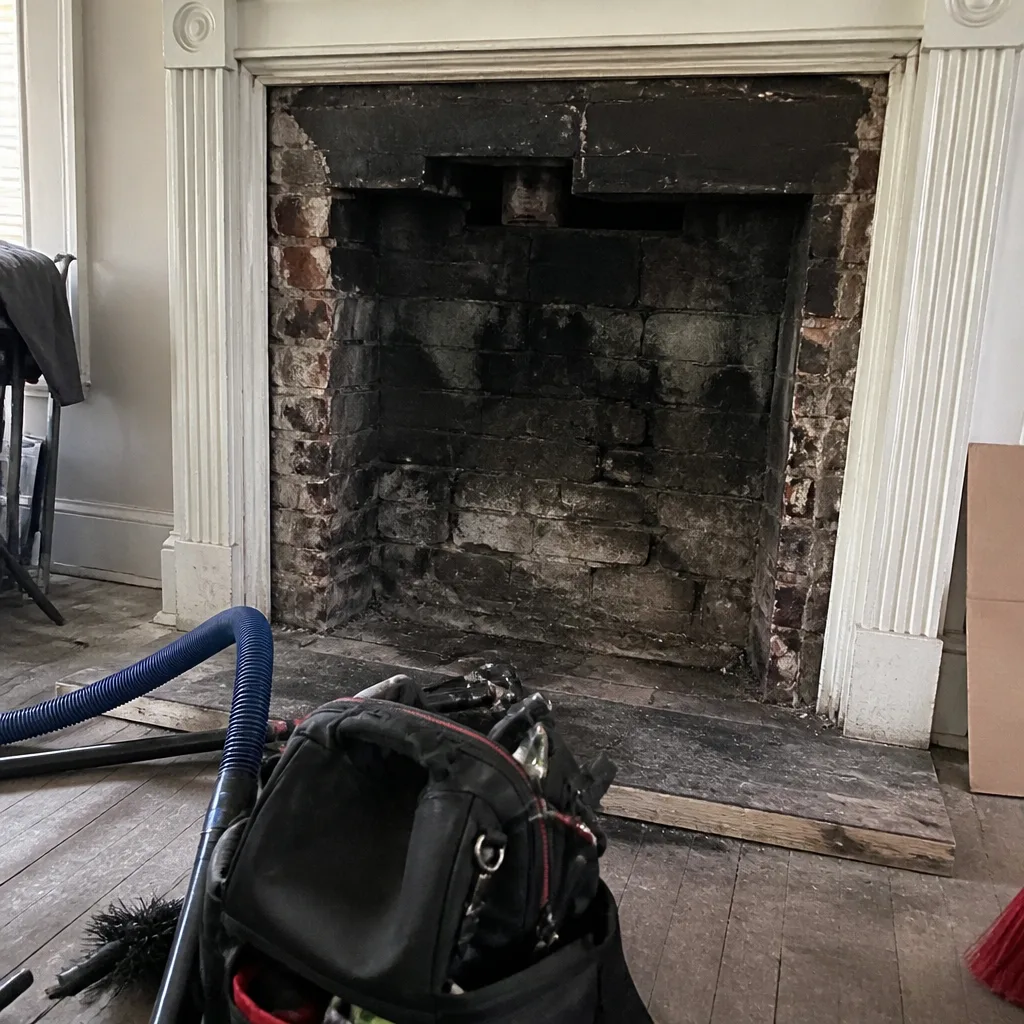
See the difference
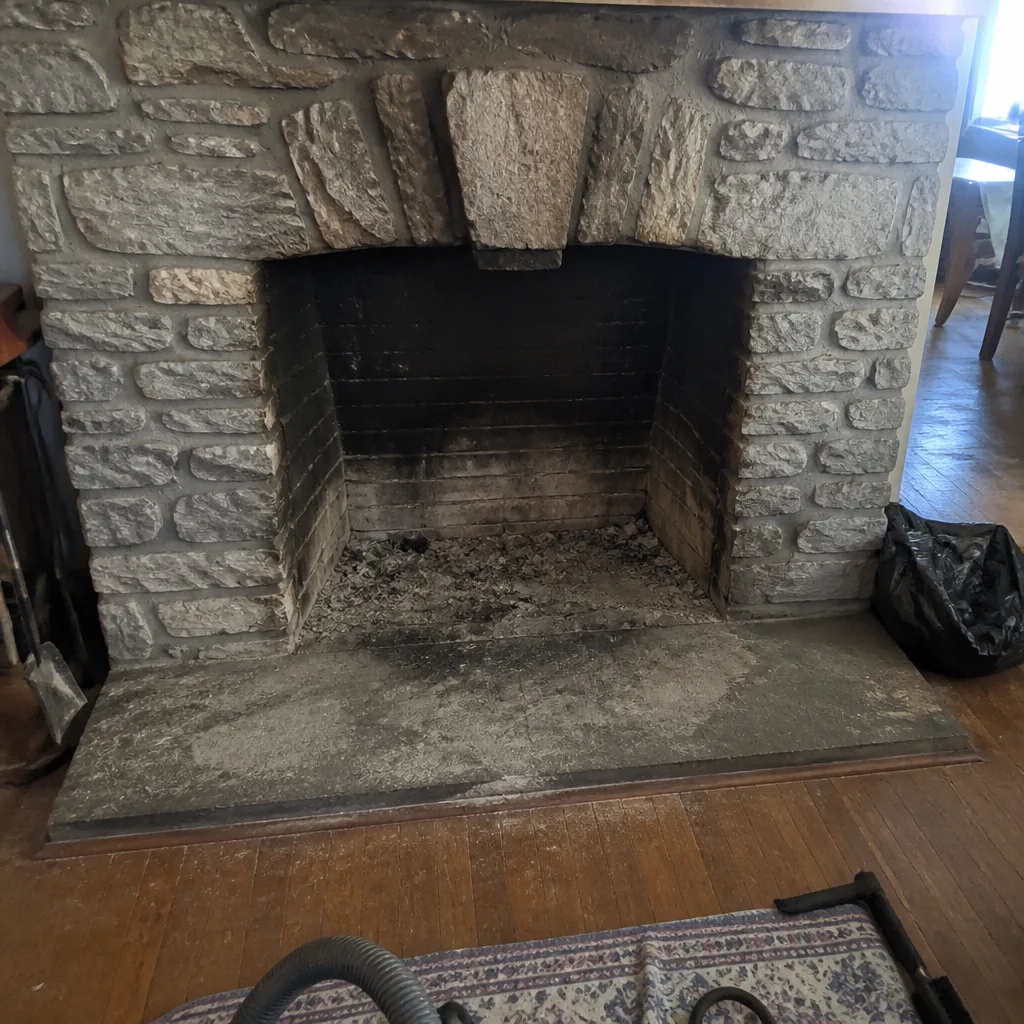 Before
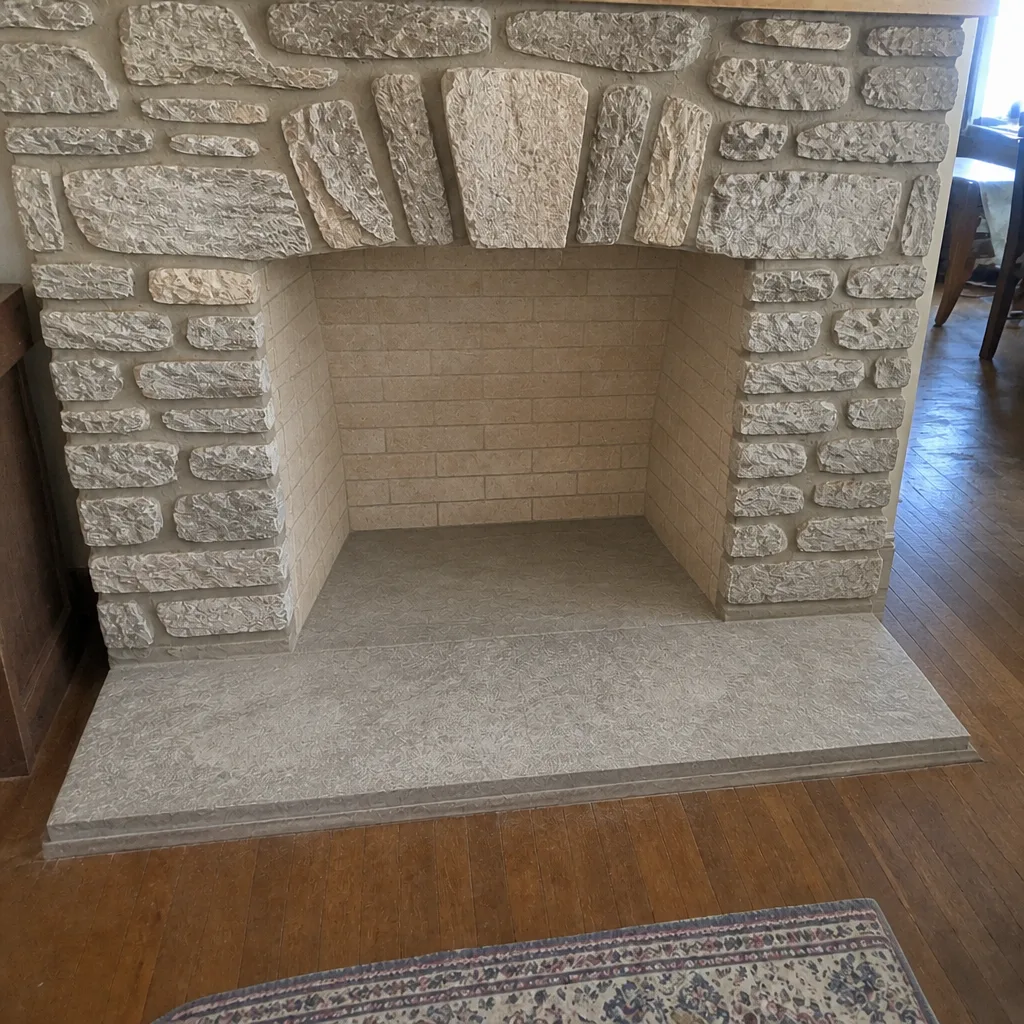 After
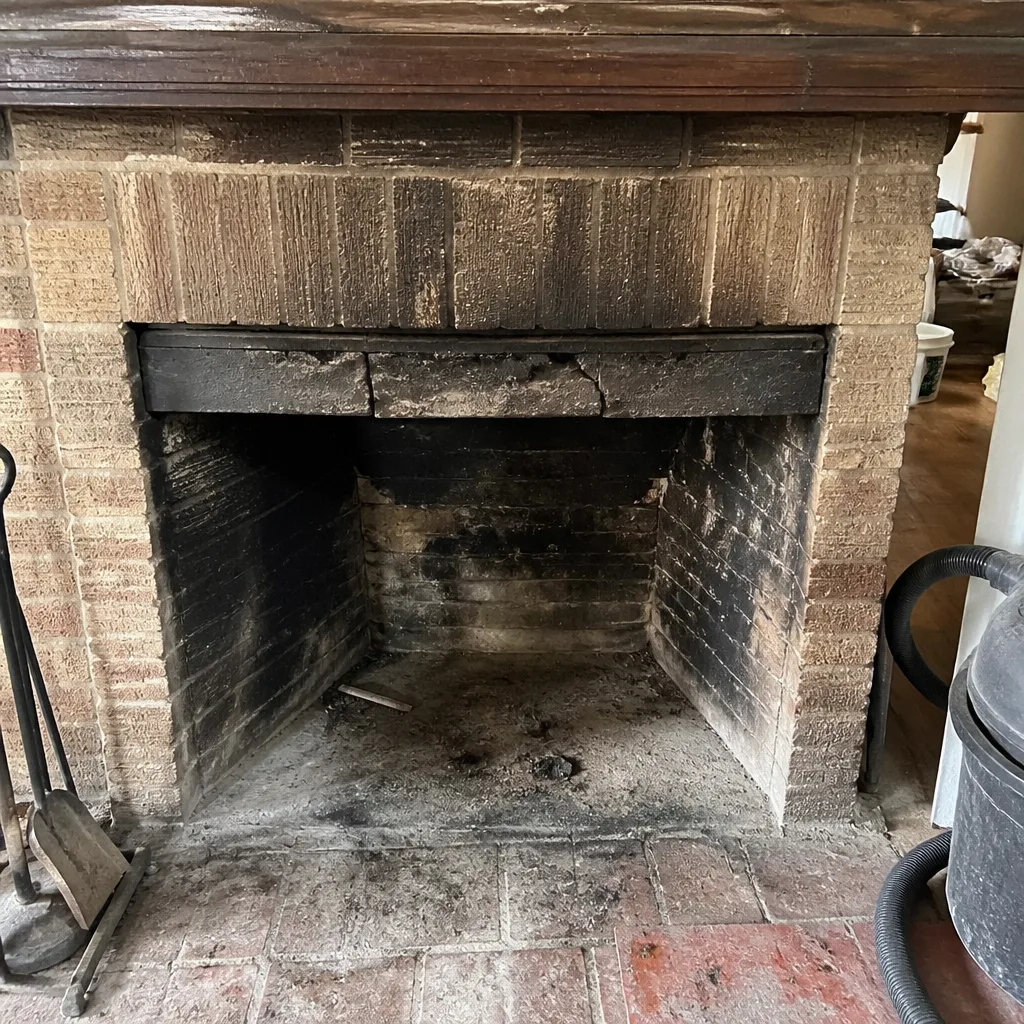 Before
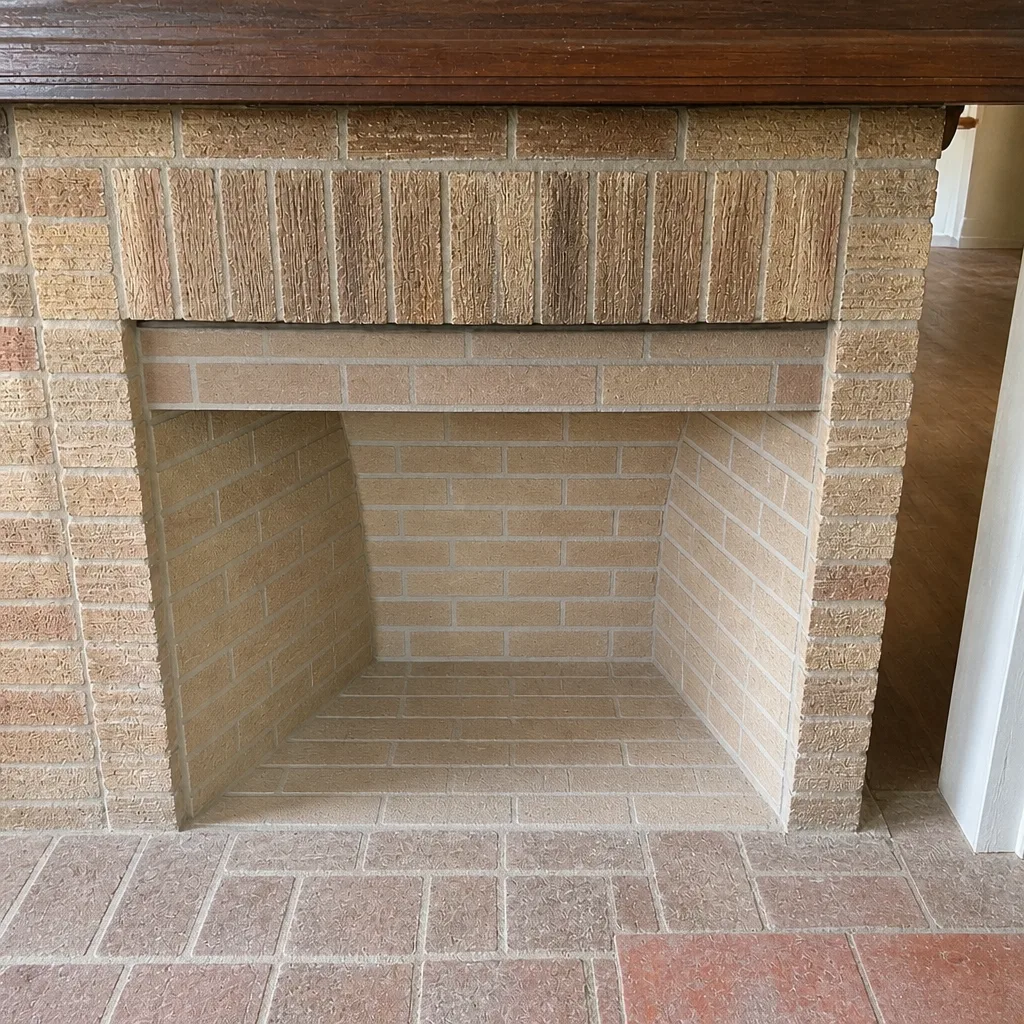 After
 Before
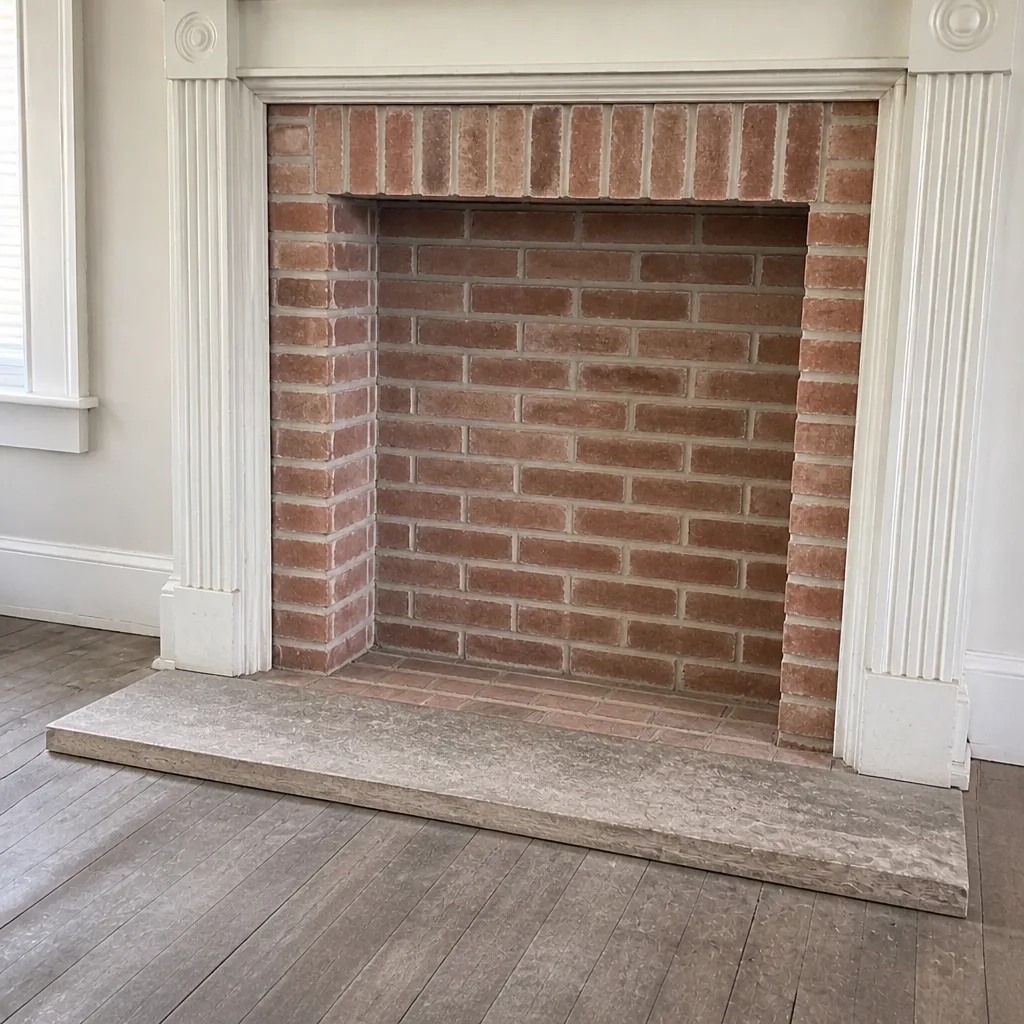 After
When to Call a Professional
Call a chimney specialist when smoke rolls into the room, when the draft is weak and stays weak, when there’s an odor you can’t trace, or when you see staining on the masonry. Call sooner if you’ve just moved into an older Frankford property and don’t know when the flue was last inspected, or if a modern insert was installed without checking the flue size. Call immediately if you smell combustion gas in the house or notice any sign of carbon monoxide. A camera inspection is the single most useful step in all of these cases, and it’s the difference between finding the real cause and guessing at the symptom.
Chimney Sweep Frankford offers free estimates in Frankford – call (833) 962-9222. We answer 24/7. Fast dispatch from 7am to 7pm, Sunday through Friday. Everything we recommend comes with camera evidence you can see for yourself, and we’ll tell you plainly when work can safely wait.
Frequently Asked Questions
Smoke on windy days almost always points to a cap, crown, or chimney-height problem that lets wind create back-pressure at the flue opening. When the wind hits the roofline and the structures around it, it pushes air down a flue that isn’t protected by a sound cap and crown. The timing is the clue: if it only happens when the wind is up, the problem is at the top of the chimney, not in how you build the fire. A cap and crown inspection is the first step. Call (833) 962-9222 for an exact quote – estimates are free.
It can be, but not always. A weak draft points to one of three causes: a restriction from soot or debris, a flue sized wrong for the appliance, or a pressure problem at the roofline. A cleaning fixes the first; it won’t fix the other two. In Frankford’s older homes, a flue built for an open fireplace and now serving a modern insert is a common cause of weak draft that cleaning alone can’t solve. A camera inspection tells you which one you’re dealing with. Call (833) 962-9222 to book an inspection – estimates are free.
Creosote off-gasses more in warm, humid weather, so a smoky or tar-like smell that peaks in summer is usually a sign of creosote built up in the flue. Frankford’s humid summers make this more noticeable. A proper sweep clears the deposit and the smell with it. If the smell is damp or musty instead, water is getting in, so have the cap, crown, and flashing checked. Call (833) 962-9222 to get the question answered with a sweep and inspection – estimates are free.
Yes, and it’s the single most useful step before any repair. A camera inspection shows cracked flue tiles, liner gaps, hidden blockages, and sizing problems that aren’t visible from the firebox or the exterior. Without it, a repair is a guess, and a guess is how a cleaning turns into a rebuild nobody needed. Every recommendation from a proper inspection should come with camera evidence you can see. Call (833) 962-9222 to book one in Frankford – estimates are free.
It does. Much of Frankford’s housing was built before 1970, and those flues were sized for open fireplaces and older furnaces. When a modern insert or high-efficiency appliance goes into a flue built for something else, the flue is often oversized, and the draft weakens. That’s why the size of the flue relative to the appliance matters as much as whether it’s clean. If your home is older and the heating system has changed, start with a camera inspection and a sizing check. Call (833) 962-9222 – estimates are free.
For some things, yes. You can watch for smoke roll-out, track odor, check the cap and crown with binoculars, and check for exterior staining. But cracked flue tiles, liner gaps, and hidden blockages can’t be seen from the room or from the ground, and those are the ones that create fire and carbon monoxide risk. Our technicians have up to 15 years of experience, and the dangerous problems are consistently the ones you can’t see. That’s what the camera is for. Call (833) 962-9222 to book an inspection – estimates are free.
The Bottom Line
Almost every chimney symptom you’ll notice from the living room traces back to something upstream: a failed cap or crown, a flue that’s sized wrong for what’s burning, negative pressure from the roofline, or a liner that’s worn out. In Frankford, the older housing stock makes oversized flues the most common hidden culprit, and a camera inspection is the only reliable way to tell the difference between a $200 cleaning and a rebuild. The point of troubleshooting isn’t to find the fix that costs the most; it’s to find the actual cause and address it. A full-system specialist does exactly that, from annual sweep to full liner rebuild, with professional-grade materials and evidence you can see. Call (833) 962-9222. We answer 24/7. Fast dispatch from 7am to 7pm, Sunday through Friday.
From annual sweep to full liner rebuild – one specialist, start to finish. Learn more about Chimney Sweep Frankford, and if you’re troubleshooting a smoky fireplace, a weak draft, or a smell you can’t trace, book the inspection before you book the repair.
Written by the team at Chimney Sweep Frankford.