
Last updated November 22, 2026
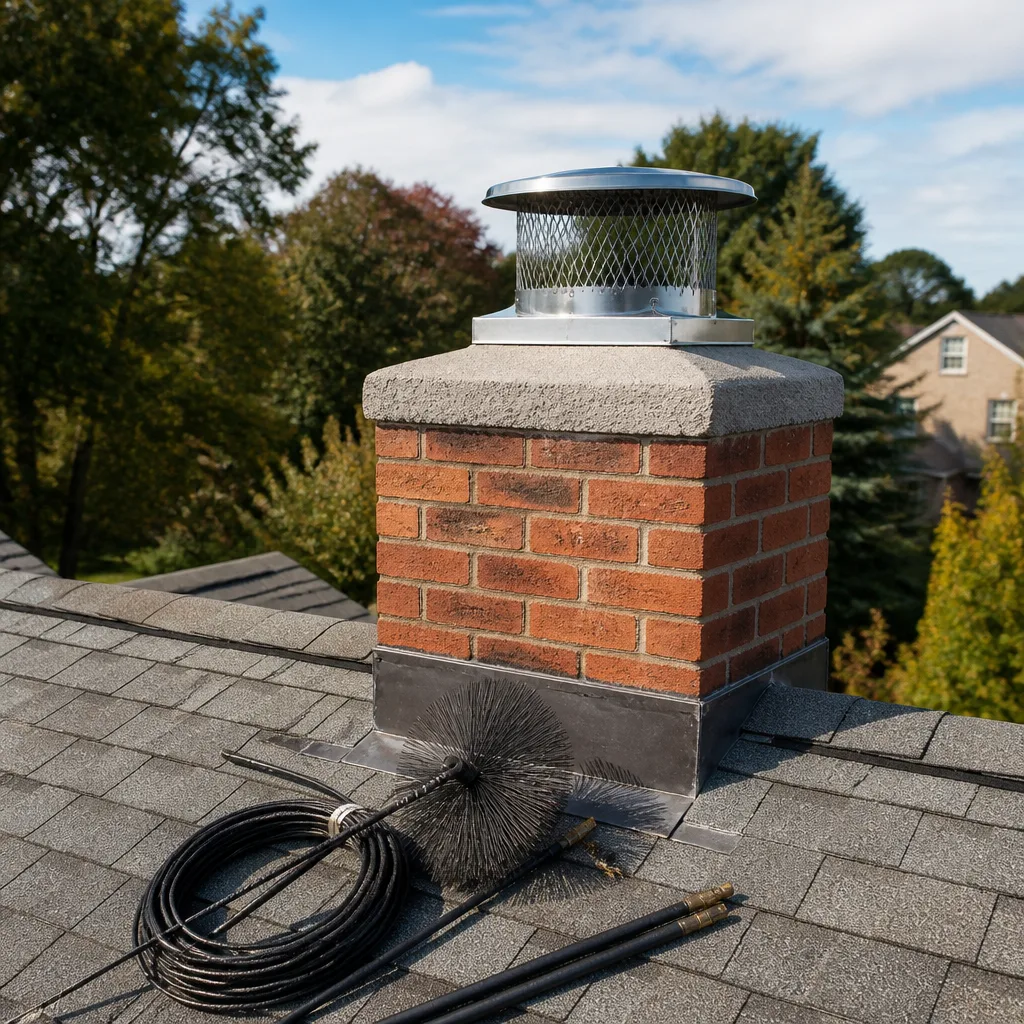 Sweep & inspection
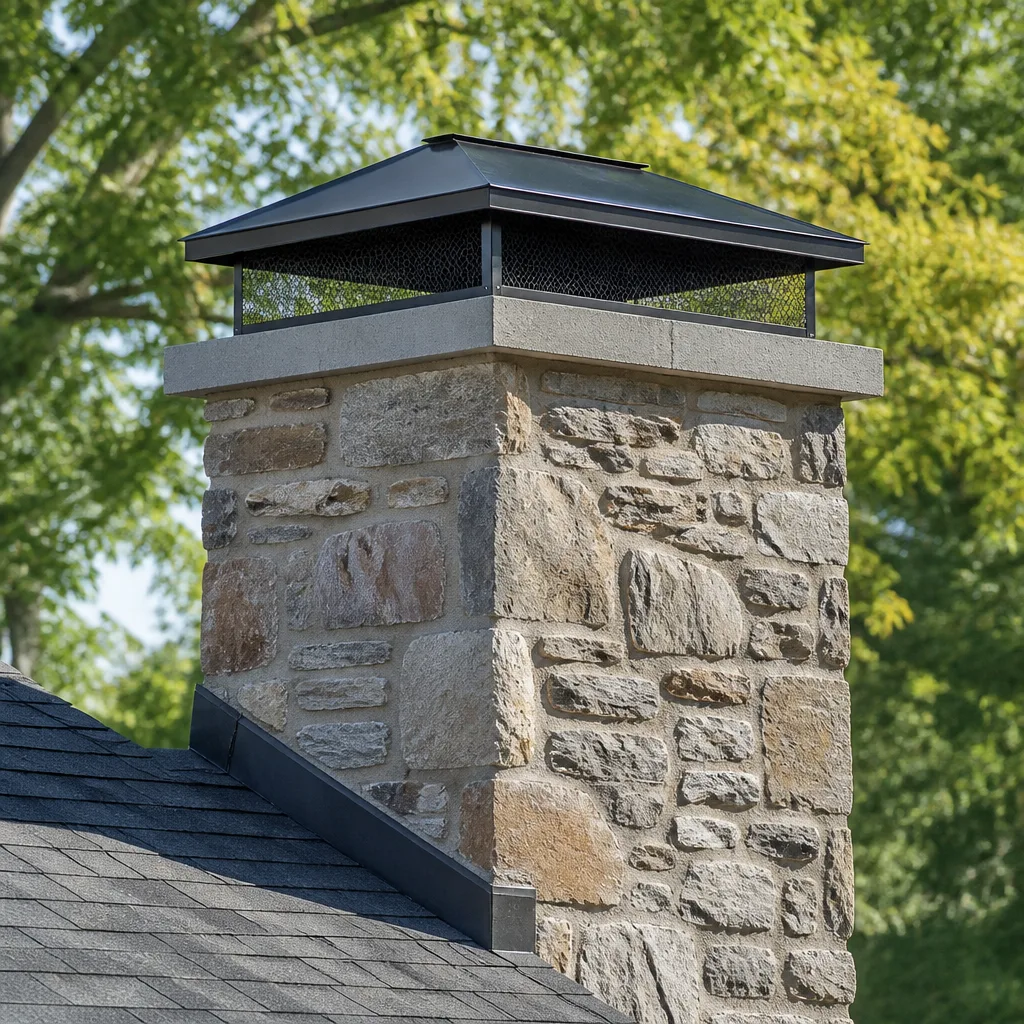 Caps & crowns
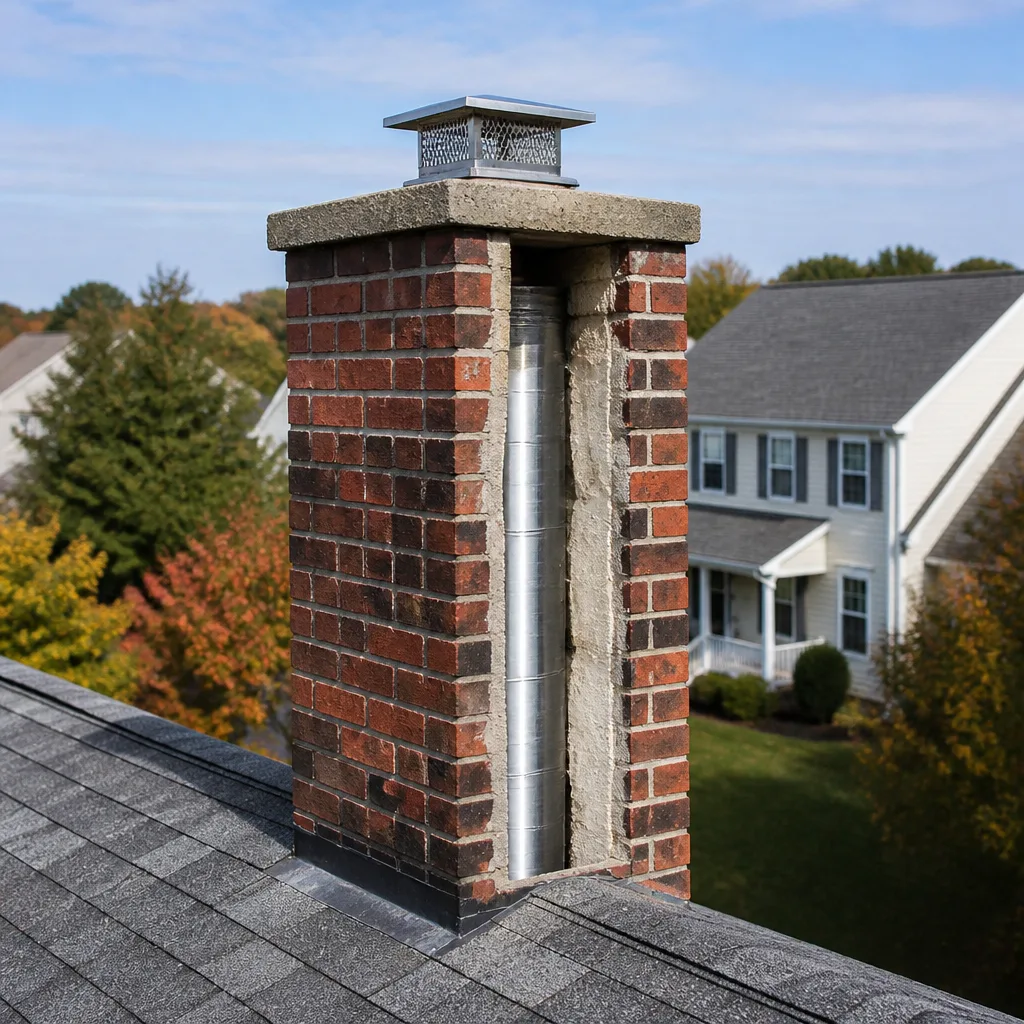 Flue relining
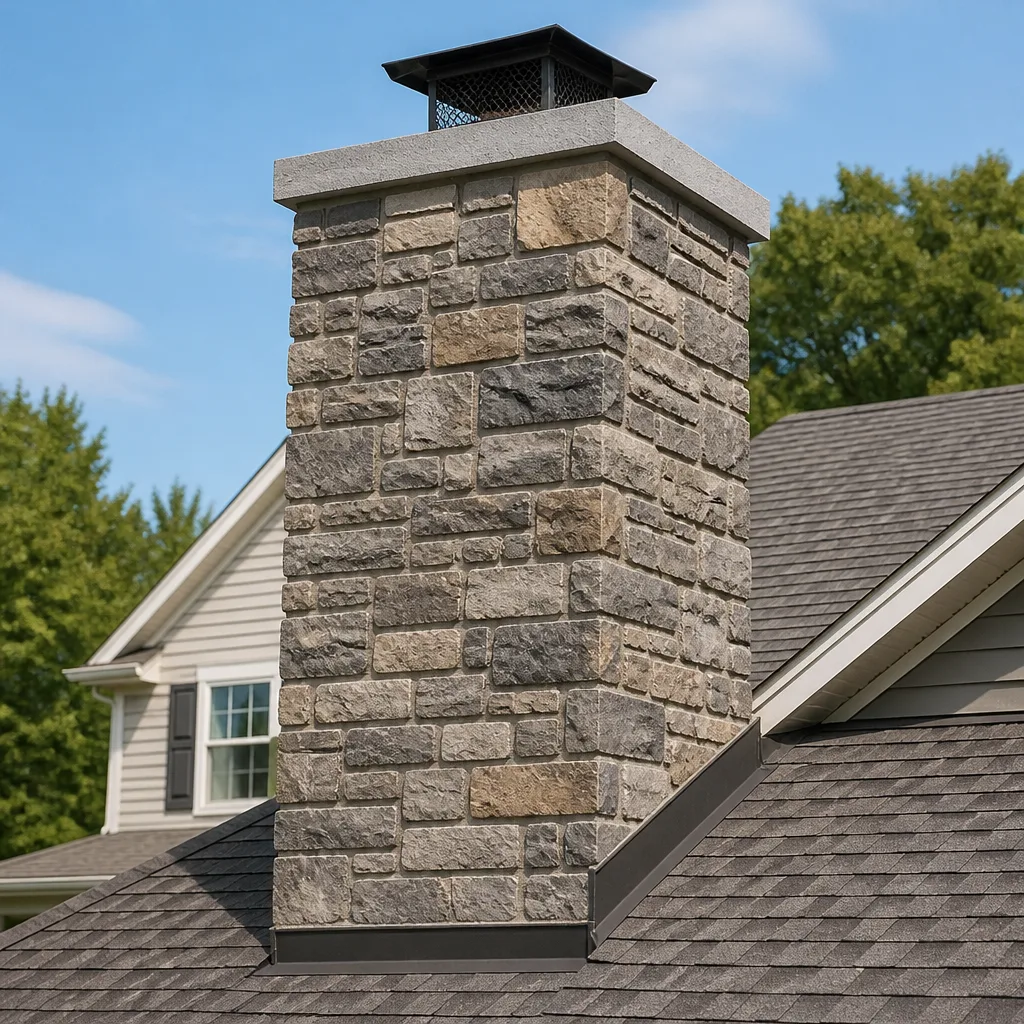 Masonry repair
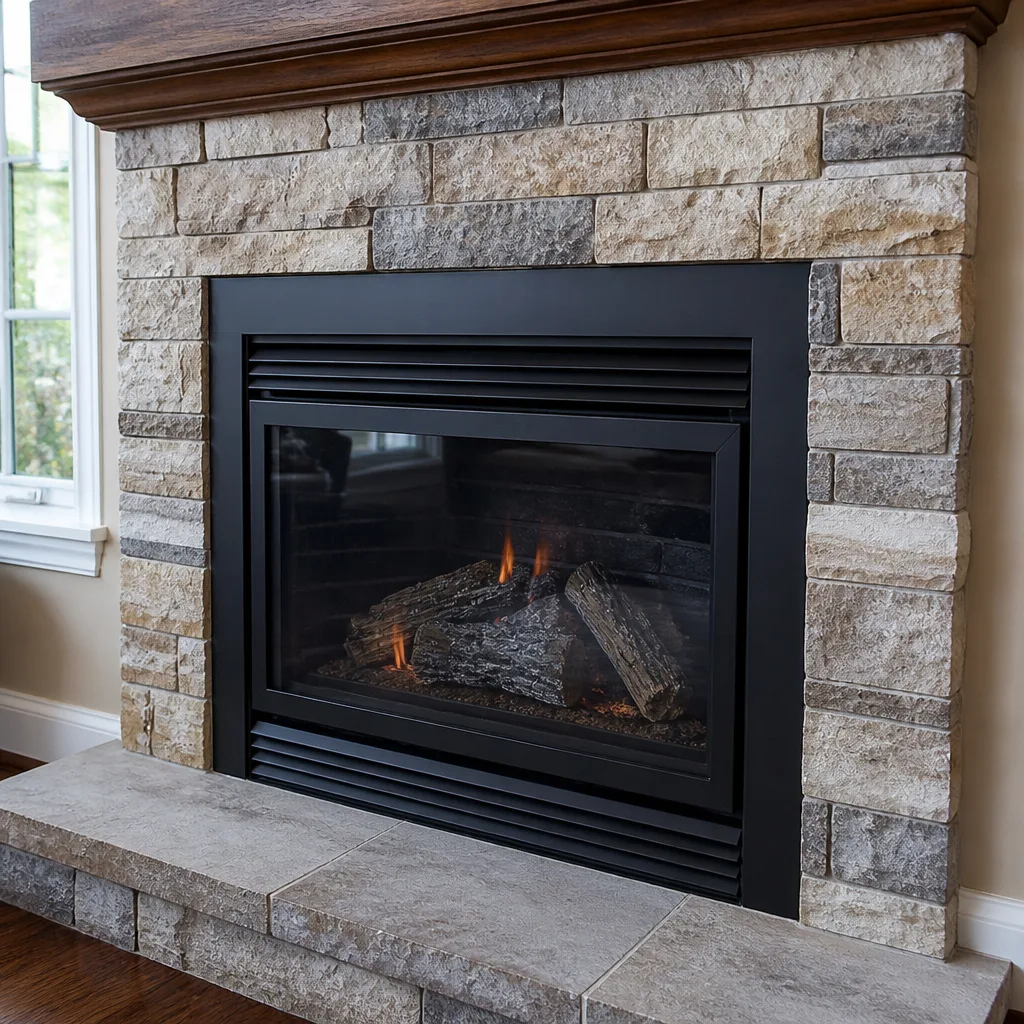 Gas fireplace service
Level 1 sweep and inspection to the NFPA 211 annual standard - flue, crown, cap, and flashing checked and photographed
Chimney sweep logs do not sweep chimneys. They loosen some creosote - which then falls where a brush and vacuum still have to collect it.
Chimney Cleaning Permits, Codes & Inspections in Frankford, PA: What You Need to Know
Here’s the part that surprises most homeowners: the sweep itself needs no permit. Cleaning a flue is maintenance, the same way changing a furnace filter is maintenance. But the work a sweep often uncovers – a failed liner, a cracked smoke chamber, a firebox that’s spalled down to the brick – does require permits in most of Pennsylvania, and that’s where Frankford properties get into trouble. A clean sweep and a legal repair are two different things. This guide draws the line between them, explains what ICC and NFPA 211 standards actually require, shows how Philadelphia’s L&I jurisdiction applies to Frankford row houses and twins, and tells you exactly what paperwork to ask a contractor for before work starts and how to verify it afterward.
Quick Answer
In Frankford and across Pennsylvania, routine chimney cleaning and sweeping does not require a permit. Structural work does – new liner installation, chimney rebuilds above the roofline, firebox and smoke chamber reconstruction, and appliance changes such as switching from wood to gas – falls under the Pennsylvania Uniform Construction Code and typically needs a permit through Philadelphia’s Department of Licenses and Inspections. Always confirm with L&I before work begins, and insist on a written scope plus the permit record afterward.
Styles & brands we work with
- Sweep & inspection
- Caps & crowns
- Flue relining
- Masonry repair
- Gas fireplace service
Table of Contents
- Cleaning vs. Repair: Where the Permit Line Sits
- Which Codes Govern Chimney Work in Pennsylvania
- The Four Permit Triggers Frankford Homeowners Hit
- Philadelphia L&I and Frankford Properties
- What a Proper Inspection Involves, Step by Step
- What Documentation to Ask Your Contractor For
- How to Verify Permits and Inspection Sign-Offs
- How Frankford’s Housing Stock and Climate Affect Chimney Wear
Cleaning vs. Repair: Where the Permit Line Sits
Sweeping a chimney is a maintenance task. There’s no permit for it, no inspection sign-off, no paperwork filed with the city. A technician brushes or vacuums creosote and soot from the flue, checks the cap, looks at the firebox, and writes up what they found. That report is a record of condition, not a legal document. In Frankford, that distinction matters because a lot of older homes have had decades of undocumented chimney work done to them, and when a house goes on the market the buyer’s inspector will absolutely ask for permit records on any structural chimney work done in the last several years.
Where the line sits is easier to picture as a list:
- No permit needed: routine sweeping, cap cleaning, damper adjustment, minor mortar touch-ups at the firebox face, chimney chase cover replacement, and inspection.
- Permit usually required: liner installation or replacement (including HeatShield ceramic liner repair in most jurisdictions where it constitutes a structural change), rebuilds of the chimney stack above the roofline, smoke chamber parging, firebox reconstruction, crown replacement where structural, and any change of appliance fuel type.
- Permit always required: new chimney construction, installing a new solid-fuel appliance, and any alteration to the venting system that changes its size, path, or material.
The reason this matters so much is simple: unpermitted structural chimney work creates a paper trail problem, not just a safety problem. If a liner was replaced without a permit and the contractor is gone, the current owner inherits the liability. Buyers’ inspectors flag it, lenders get nervous, and the sale can stall on a job the homeowner didn’t personally commission. As a Chimney Sweep Frankford team that sees this pattern repeatedly, we’d rather walk a homeowner through the permit question before work starts than explain it during an inspection contingency.
Which Codes Govern Chimney Work in Pennsylvania
Pennsylvania adopts the Uniform Construction Code (UCC) statewide, and the UCC in turn references the International Residential Code (IRC) for one- and two-family homes and the International Building Code (IBC) for larger structures. Chimney systems specific requirements come from NFPA 211, the Standard for Chimneys, Fireplaces, Vents, and Solid Fuel-Burning Appliances, which is the standard the IRC leans on for chimney construction, clearance, and inspection. In practice this means three things for a Frankford homeowner:
- Clearances are codified, not optional. NFPA 211 sets required clearance from combustible materials – typically 2 inches from the outside face of a masonry chimney to framing, or 1 inch for listed factory-built systems with proper standoffs. These aren’t suggestions, and if an inspection finds a violation it will be written up.
- Liner requirements are codified. A flue serving a solid-fuel appliance must have a listed liner in continuous condition from the appliance outlet to the top. A relined chimney using a product like DuraFlex or Olympia Chimney is going through a process the code recognizes and the building department can inspect.
- Inspection frequency is codified. NFPA 211 requires that chimneys, fireplaces, and vents be inspected annually and cleaned as needed, plus inspected before any change of use or after a chimney fire or other event that could have damaged the system.
Because the UCC adopts these standards, a local inspector checking a Frankford chimney is essentially checking it against NFPA 211 and the IRC, whether they name those documents in the write-up or not. That’s useful to know if you’re comparing contractors or verifying work.
The Four Permit Triggers Frankford Homeowners Hit
In our experience, almost every permit-required chimney job falls into one of four categories. If you’re looking at any of these, plan for a permit before the work begins, not after.
1. New Liner Installation
Whether the liner is stainless (DuraFlex or comparable), cast-in-place ceramic (HeatShield), or a rigid sectional system, a liner replacement changes the venting system. That’s an alteration, and in Philadelphia it requires a permit. A sweep-only company can tell you a liner is failing; only a specialist who installs liners can pull the permit and see the job through inspection, which is why the chimney repair side of the work is a different category from the sweep.
2. Chimney Rebuilds Above the Roofline
Repointing mortar at the cap is maintenance. Tearing down and rebuilding the stack from the roofline up is structural. Once a rebuild involves removing original masonry below the flashings or changing the height or footprint, expect a permit and expect an inspection on the finished structure.
3. Appliance Changes – Wood to Gas or Gas to Wood
Swapping a wood-burning fireplace insert for a gas insert (or the reverse) changes the venting requirements, the clearances, and often the liner. In Frankford’s older homes, this is a routine upgrade and one that trips a permit almost every time. The new appliance must be listed for the venting it’s connected to, and the change has to be inspected.
4. Firebox and Smoke Chamber Reconstruction
A firebox repoured or rebuilt, or a smoke chamber parged to smooth the transition into the flue, is structural repair. Some contractors skip the permit because the work is inside the firebox and hard to see. Don’t let them. If it’s ever inspected (say, at sale), the record matters.
Philadelphia L&I and Frankford Properties
Frankford is governed by Philadelphia’s Department of Licenses and Inspections (L&I), which administers the UCC locally. That’s a meaningful difference from what happens in the surrounding townships. In much of Montgomery and Bucks County, chimney permits are issued by the local code office, and the process can be relatively informal for residential work. In Philadelphia, L&I runs a more centralized pipeline, and the permit process – from application through inspection – is documented in a system the homeowner can query. That’s actually a benefit: it means there is a public record of the permit, and the homeowner can verify it.
Frankford’s housing stock makes this touchy. Most of the neighborhood’s homes are row houses and twins, many built in the first half of the 20th century, and many with original or lightly updated chimney systems. Liner replacements are common here because the original clay tiles have cracked or spalled, and the exterior stack has often been repointed at least once. When you sell a Frankford row house, the buyer’s inspector is going to look at the chimney, and if it’s been relined within the last decade they’ll want to see the permit. Getting that permit pulled and inspected at the time of the work is worth far more than the cost of the permit itself.
One more Frankford-specific point: a lot of row houses share chimney stacks with an adjacent property, or share a continuous party-wall chimney structure. When that’s the case, the permit and inspection process gets more involved because the work may cross a property line, even if the visible flue only serves one home. Confirm the property line before assuming a rebuild is a one-property job.
What a Proper Inspection Involves, Step by Step
An inspection is the part of the process that answers “is this chimney safe to use” and “is this chimney in the condition the contractor says it is.” A good inspection is documented. Here’s what should happen, in order:
- Exterior assessment. The technician looks at the chimney top from a safe vantage point – ladder or roof – and checks the crown, cap, flashing, mortar joints, and stack structure for movement, spalling, or water damage.
- Firebox and damper inspection. The firebox is checked for cracks in the brick or mortar, and the damper is operated through its full range of travel to confirm it opens and closes cleanly.
- Smoke chamber inspection. The smoke shelf and smoke chamber are examined for gaps, rough surfaces, and creosote buildup.
- Camera inspection of the flue. A camera run down the flue gives a real view of the liner – cracks, gaps at the joints, missing tiles, offset sections. This is the evidence that separates “your liner needs replacement” from “a technician who wants to sell you a liner.”
- Photo report and written findings. Everything visible on camera should come back to the homeowner as photos or video, not just a verbal summary. Nothing should be recommended for repair unless the evidence supports it.
- Clearance check. Combustible clearances at the chimney, roof framing, and in the attic are measured against NFPA 211 requirements.
Our inspections include camera footage and a photo report for exactly this reason – the homeowner should be able to see what we see, and when work can safely wait, we say so. That’s also where the chimney sweep visit doubles as the diagnostic visit; the sweep clears the flue so the camera can actually see what’s underneath.
What Documentation to Ask Your Contractor For
Before a permit-required chimney job starts, ask for these in writing:
- Written scope of work that names the specific repair: liner replacement, smoke chamber rebuild, firebox reconstruction. A vague scope like “chimney repairs as needed” is a red flag.
- Permit application and issued permit number – not “we’ll get the permit,” but the actual number, in the homeowner’s hand, before demolition starts.
- Product specifications for any liner or repair material used: DuraFlex, HeatShield, Copperfield, or Gelco. For liner replacements, the listed product and its UL classification should appear on the invoice and in the permit.
- Inspection sign-off after the work is done – the certificate or inspection record from L&I, kept with the property’s paperwork.
- Final invoice with permit number referenced, so the permit and the paid invoice match in your records. That combination is what a buyer’s inspector will be looking for years later.
None of that is unusual to request, and no legitimate contractor will balk. If someone pushes back on giving you a permit number, that’s the answer to the question of whether to hire them.
How to Verify Permits and Inspection Sign-Offs
In Philadelphia, permit records are searchable through L&I’s online system using the property address. Here’s the checklist when you’re buying a Frankford home or verifying work on one you already own:
- Search L&I’s records by address for the last five to ten years. Any structural chimney work done in that window should show up as a permit with an inspection disposition.
- Check the disposition – a permit pulled but never inspected isn’t finished, and a permit with a failed inspection needs a follow-up.
- Match the permit to the work. The permit scope should describe the work you can actually see on the chimney: liner replacement, rebuild, appliance change.
- Ask for the product documentation – for any liner install, the invoice should name the product. HeatShield, DuraFlex, or another listed liner is a good sign; a generic “stainless liner” line item with no product name is worth questioning.
- Have a specialist inspect the finished work if the permit record is missing or the paperwork doesn’t match. A camera inspection can tell you in an hour whether the liner is actually in good condition regardless of what the paperwork says.
L&I’s public records system is the authoritative source. If you can’t find a record, don’t assume the work wasn’t done – it might have been done before the current permitting regime – but do treat it as an open question that a specialist should resolve.
How Frankford’s Housing Stock and Climate Affect Chimney Wear
Frankford’s chimneys take a specific beating that generalists sometimes miss. Our winters are cold enough to freeze and thaw repeatedly, and that cycle is brutal on masonry. Water gets into a hairline crack in the crown or a mortar joint, freezes, expands, and widens the crack – and by the time the spring rains arrive, that joint is open enough to let water move down into the chimney structure. Ten or fifteen seasons of that cycle will take a chimney from “needs a crown patch” to “needs a rebuild.”
The 20th-century housing stock across Frankford has an additional quirk. Many of these chimneys were built for coal or for early wood-burning appliances, and the flue sizes and liner materials reflect that. The original clay tiles are often 8-by-8 or 8-by-13 inches, sized for a different appliance than the one now connected. When a wood stove or insert is installed in a flue that was built for a larger appliance, the resulting draft is often too weak and the liner too large for the appliance – a mismatch a specialist will catch, and one that shows up as smoke spillage or poor burn performance. The fix is a properly sized liner, which requires a permit in Philadelphia.
One more local factor worth knowing: Frankford’s tree canopy is heavy in many blocks, and leaf litter, small branches, and bird debris make their way into uncapped chimneys. A properly installed chimney cap & crown keeps most of that out; without one, the annual sweep pulls more out of a Frankford flue than the local average.
Common Mistakes to Avoid
- Skipping the permit to save time. Homeowners sometimes agree when a contractor offers to do liner work without a permit “to avoid the delay.” The permit isn’t for the contractor’s convenience – it’s for the record that lives with the house. Don’t agree to it.
- Taking a “needs relining” diagnosis without photos. A camera inspection should produce footage you can look at yourself. If a technician says your liner is failing but can’t show you the flue on a screen, ask them to.
- Assuming a sweep-only company can install a liner. Many sweep-only businesses don’t carry the licensing or the products for a liner installation and will refer out. In Frankford, most homes needing a liner need a specialist who can also pull the permit.
- Ignoring an uncapped chimney. Capping is not structural work and doesn’t need a permit, but an uncapped flue is how water, animals, and debris get in. Cap it before the next sweep.
- Not checking L&I records before a purchase. Buying a Frankford row house without checking the chimney permit history can leave the buyer with unpermitted liner work that comes up at the next sale.
- Confusing a cleaning record with a permit record. The invoice from a sweep is not a permit. They’re two different documents, and only one of them is checked at resale.
- Assuming a gas fireplace needs no chimney review. Gas fireplaces vent through the chimney system, and the venting still has to be in good condition. Annual inspection applies.
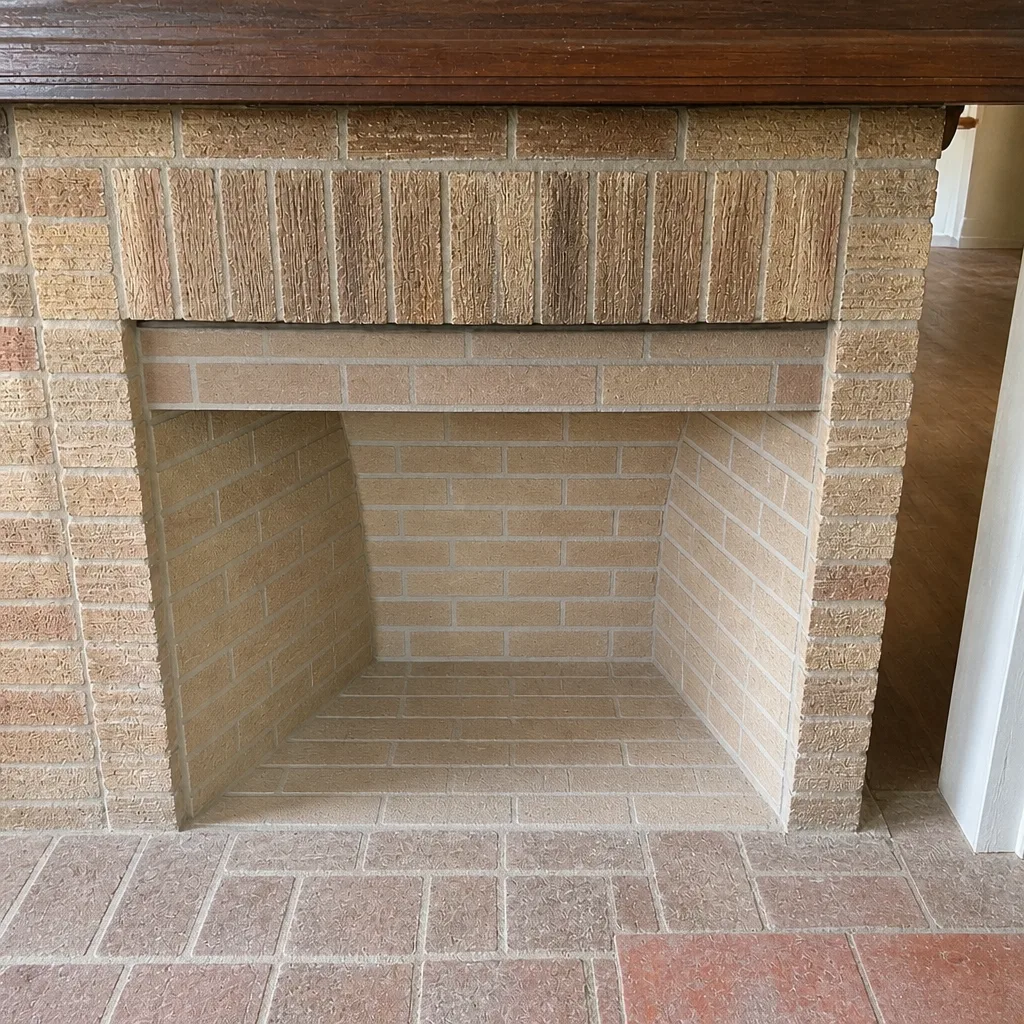
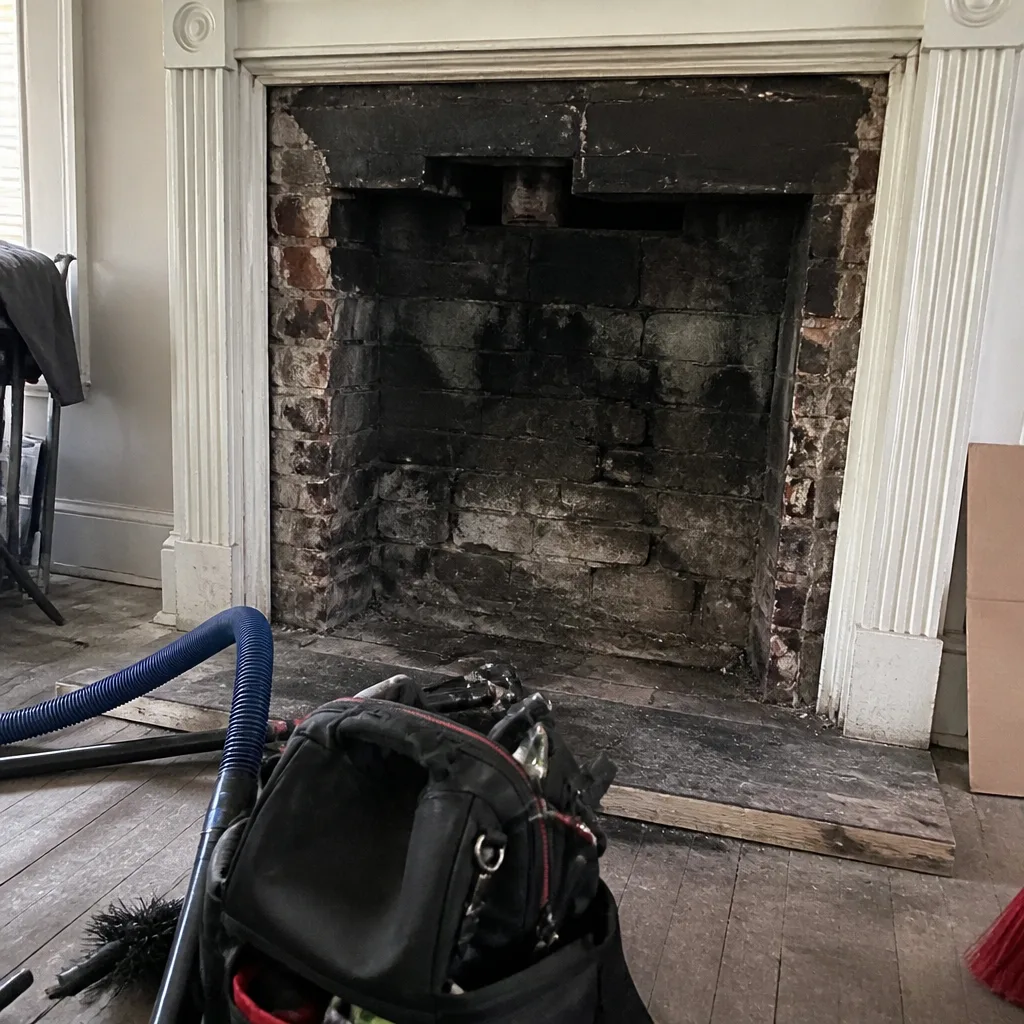
See the difference
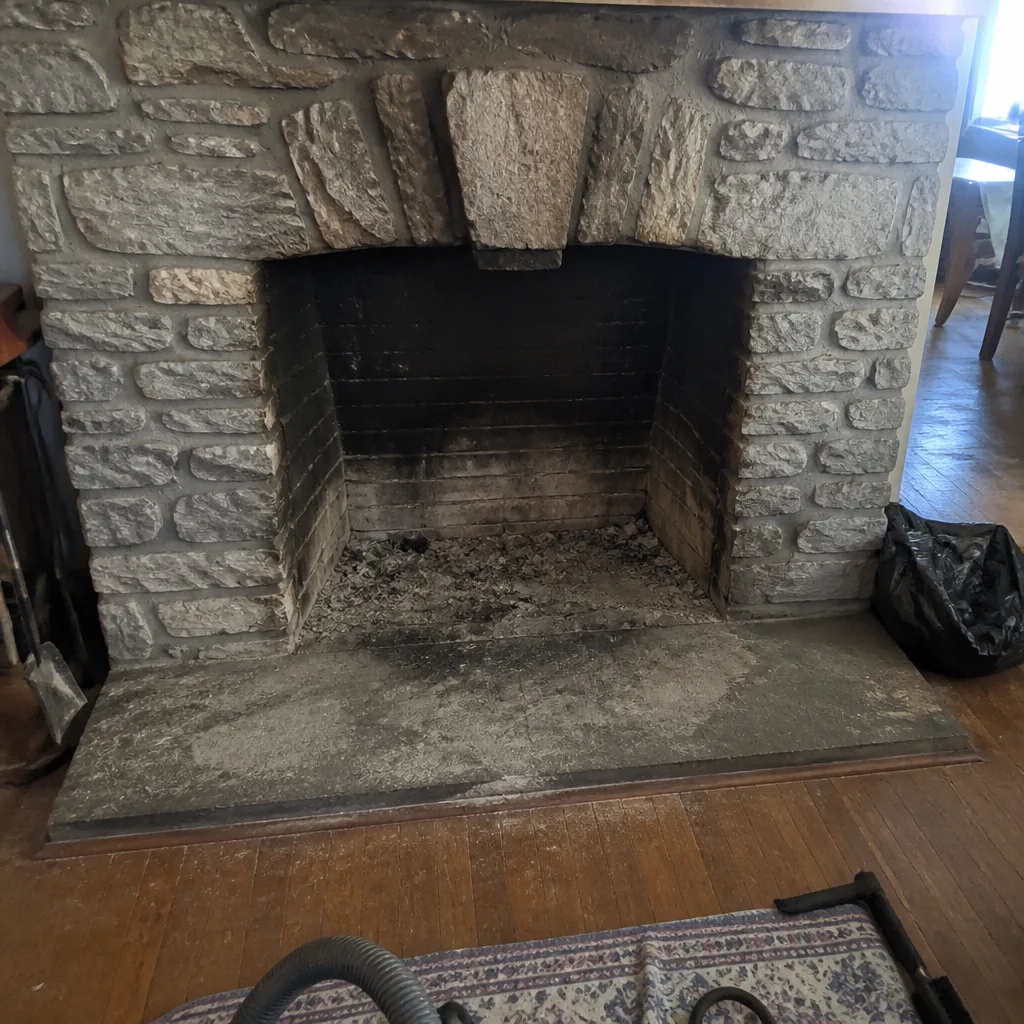 Before
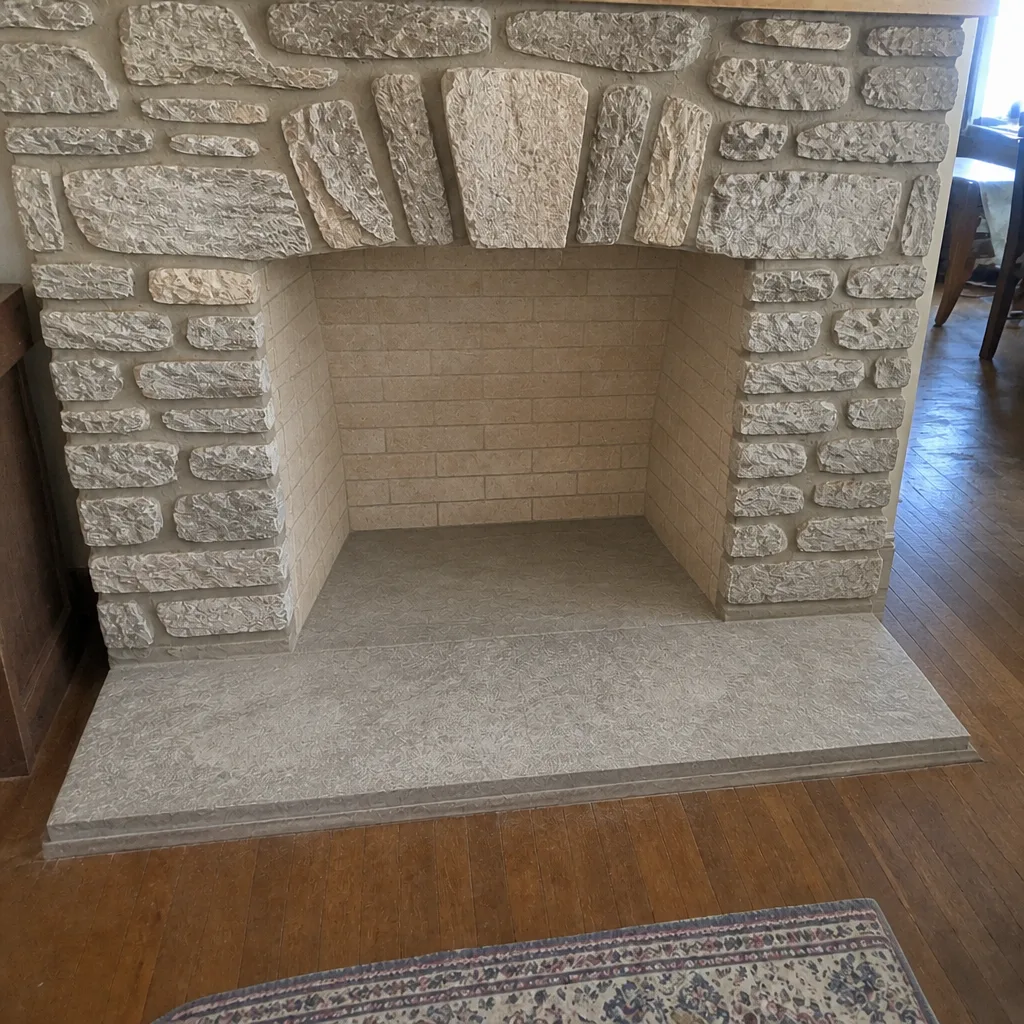 After
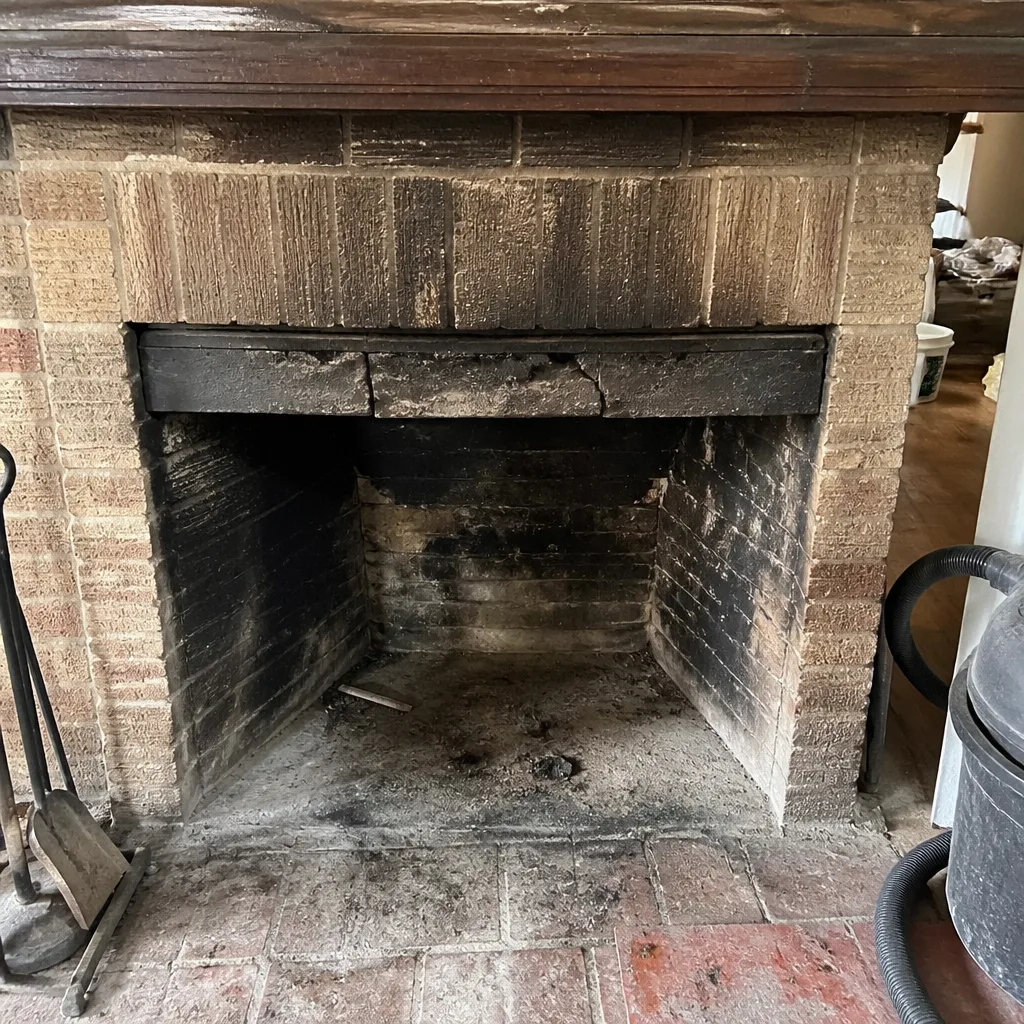 Before
 After
 Before
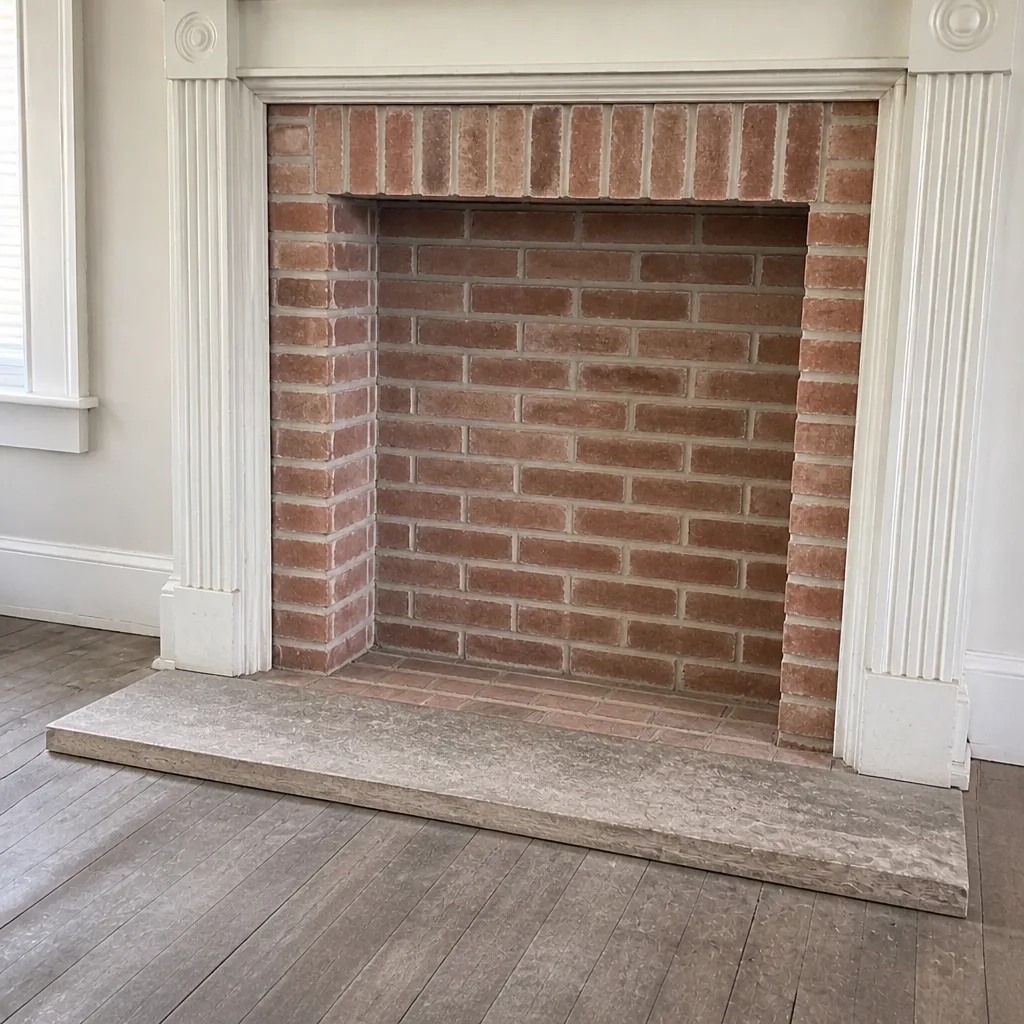 After
When to Call a Professional
Call a chimney specialist if you’ve just moved into a Frankford property and don’t know the chimney’s history, if you’re buying a home with recent chimney work and can’t find the permit, if you’ve noticed smoke backing into the room, a strong odor after a fire, or visible cracking at the firebox or crown. Call before the first fire of the season if the chimney hasn’t been swept in a year – that’s the NFPA 211 rule and it’s also the practical one. If a contractor has told you the liner needs replacing, call for a second inspection with camera footage before agreeing to the work. Chimney Sweep Frankford offers free estimates in Frankford – call (833) 962-9222.
Frequently Asked Questions
No. Routine chimney cleaning and sweeping does not require a permit in Frankford or anywhere else in Pennsylvania. Sweeping is classified as maintenance, not construction. The permit question only comes up if the sweep uncovers a condition that needs structural repair – a failing liner, a firebox issue, or a rebuild. Call (833) 962-9222 for an exact quote on a sweep – estimates are free.
Yes. A liner replacement changes the venting system, which is an alteration under the Pennsylvania Uniform Construction Code, and in Frankford that means a permit through Philadelphia’s L&I. Pull the permit before work begins and get the inspection sign-off after. Call (833) 962-9222 for an exact quote on liner work – estimates are free.
NFPA 211, the Standard for Chimneys, Fireplaces, Vents, and Solid Fuel-Burning Appliances, is the governing standard for chimney construction, clearances, and inspection in Pennsylvania, and it’s referenced by the International Residential Code that the Pennsylvania UCC adopts. In practice it requires annual inspection, cleaning as needed, and a re-inspection after any chimney fire or appliance change. Call (833) 962-9222 for an exact quote on an inspection – estimates are free.
Permit timelines through Philadelphia L&I vary with the system’s workload and the completeness of the application, so we don’t promise a specific timeline. What we can tell you is that the permit application should be filed before any demolition or liner removal begins. A specialist who regularly pulls chimney permits in Philadelphia will know what documentation L&I wants and can file the application correctly the first time. Call (833) 962-9222 to talk through your job – estimates are free.
Unpermitted structural chimney work can stall a sale at the inspection contingency, because the buyer’s inspector will flag the missing permit record and the lender may require it be resolved before closing. Resolving it after the fact is harder than pulling the permit up front – the original contractor may no longer be available, and the current owner has to pay for a re-inspection to close out the record. Call (833) 962-9222 for an inspection that can document what’s actually there – estimates are free.
Yes. Philadelphia L&I maintains public permit records searchable by property address. Search the address, confirm the permit is present, check the inspection disposition, and match the scope in the permit to the work you can see on the chimney. If the records are unclear, a specialist inspection with camera footage tells you the condition of the flue regardless of what the paperwork says. Call (833) 962-9222 for an inspection – estimates are free.
The Bottom Line
Cleaning your chimney in Frankford doesn’t need a permit, but almost everything a sweep might find – a failed liner, a firebox rebuild, a smoke chamber parge, a wood-to-gas appliance change – does. The permit record lives with the house, and that record is what a buyer’s inspector will look at years from now. Ask any contractor for a written scope, the permit number, product documentation for the liner or repair material, and the L&I inspection sign-off after the work. Verify permits yourself through L&I’s records. And if someone tells you a liner needs replacing without showing you camera footage of the flue, get a second opinion before you spend anything.
Chimney Sweep Frankford handles the full lifecycle of chimney work – sweep, inspection, liner installation, masonry rebuild, and fireplace repair – with professional-grade products like HeatShield, DuraFlex, Copperfield, and Gelco, so there’s no hand-off between contractors when the work gets bigger. Our technicians have up to 15 years of experience. Call (833) 962-9222. We answer 24/7. Fast dispatch from 7am to 7pm, Sunday through Friday.
Written by the team at Chimney Sweep Frankford.