
Last updated November 22, 2026
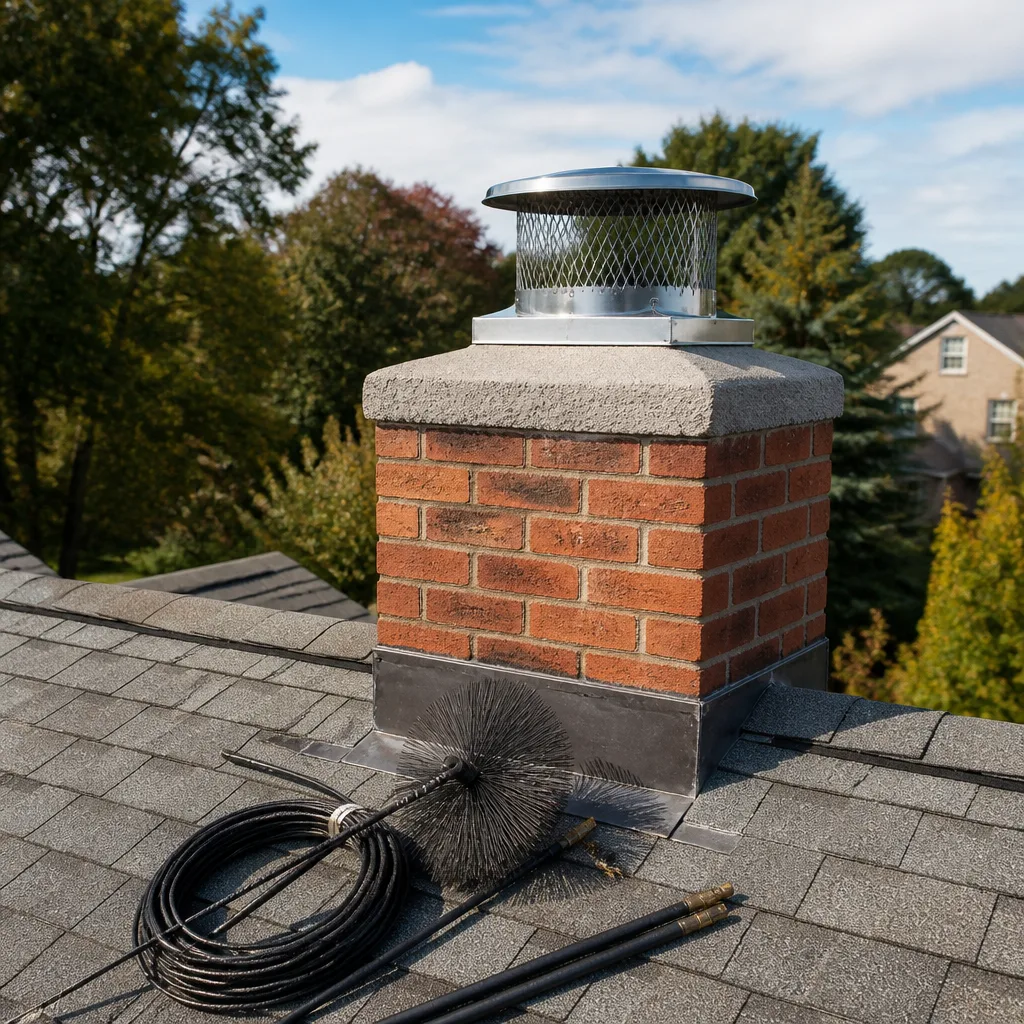 Sweep & inspection
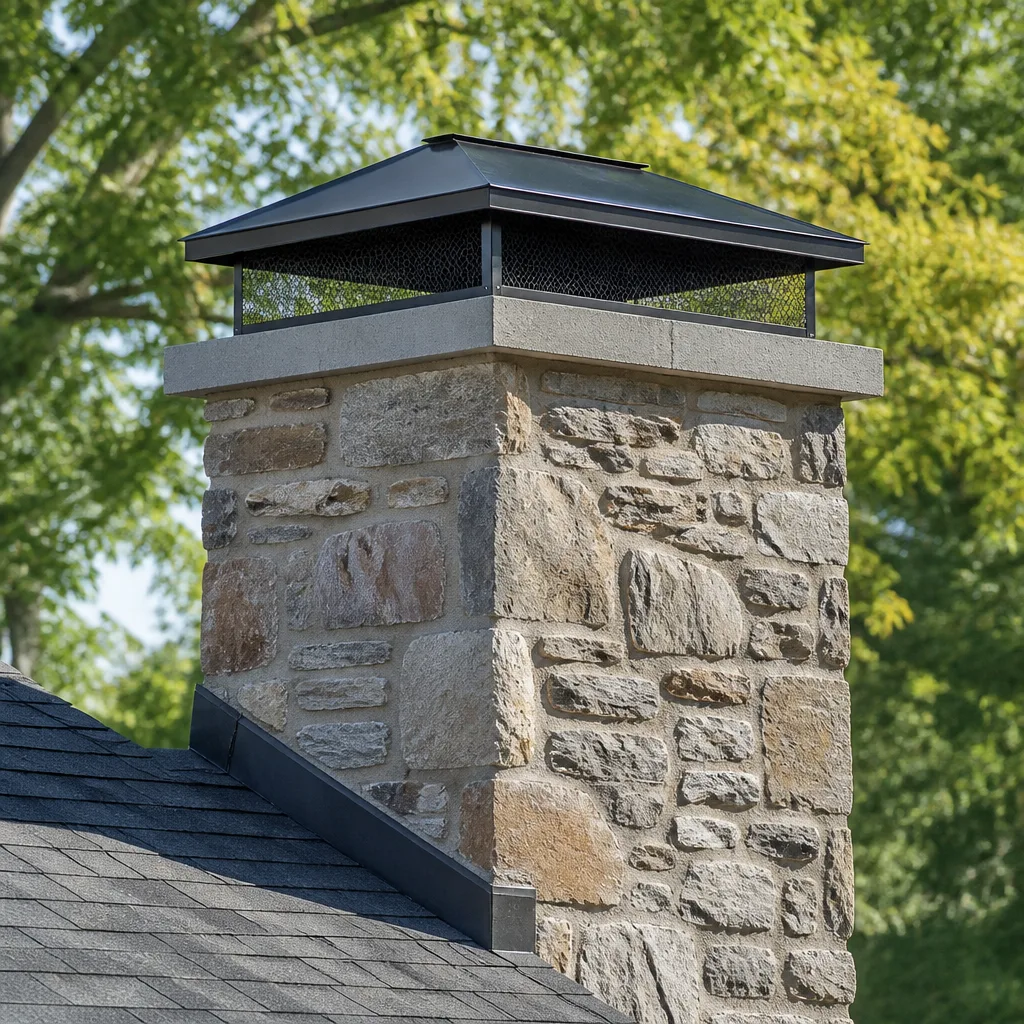 Caps & crowns
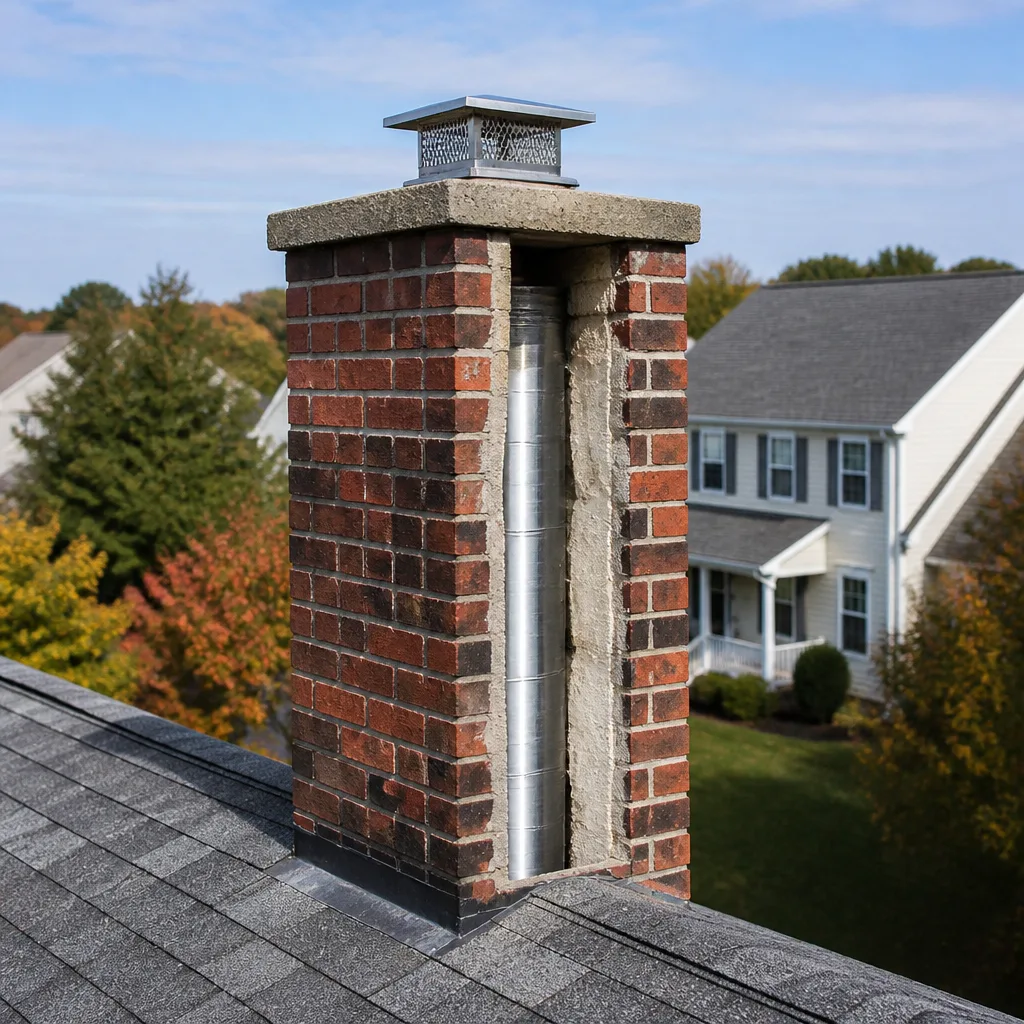 Flue relining
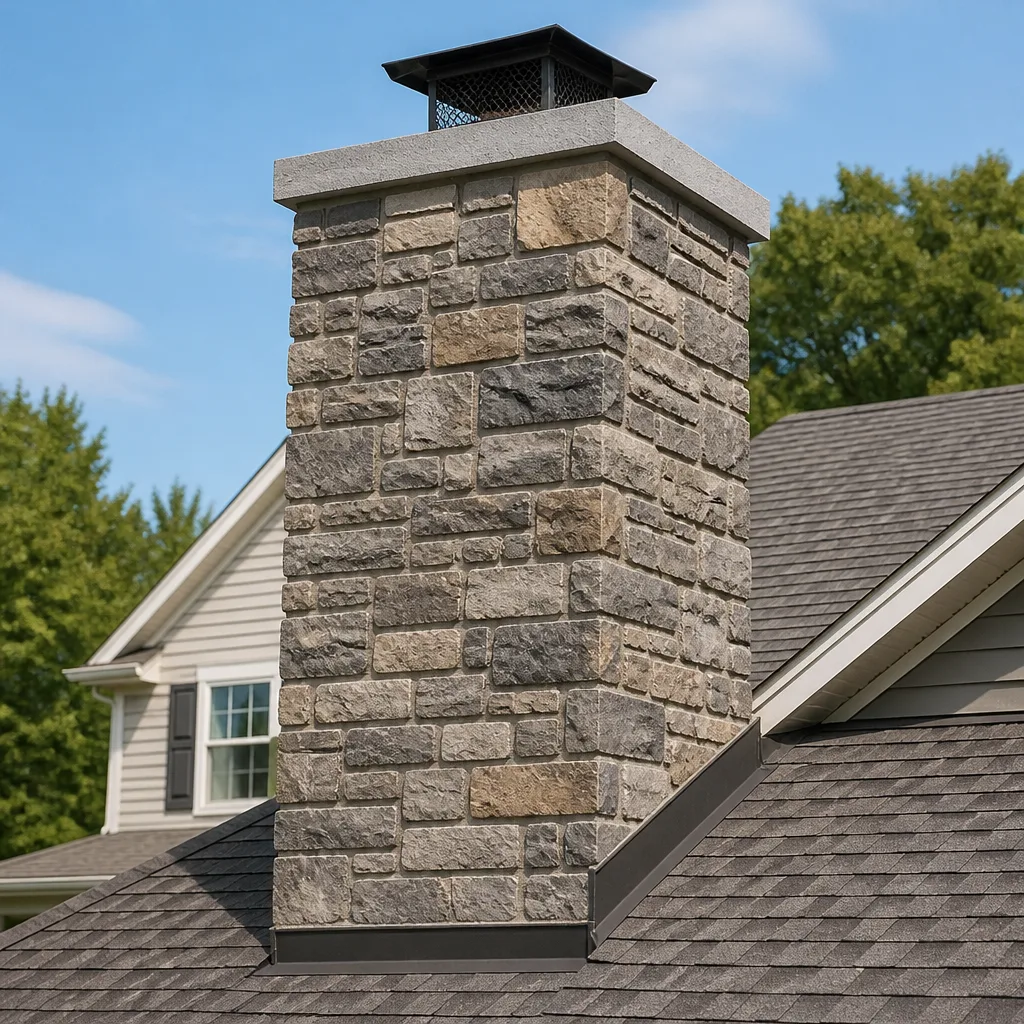 Masonry repair
 Gas fireplace service
Level 1 sweep and inspection to the NFPA 211 annual standard - flue, crown, cap, and flashing checked and photographed
Chimney sweep logs do not sweep chimneys. They loosen some creosote - which then falls where a brush and vacuum still have to collect it.
Chimney Cleaning Cost Breakdown: The Frankford Homeowner’s Reference for 2026
A $79 chimney cleaning quote almost never includes a camera inspection of the liner. That’s the first thing to understand about pricing in this trade. You’re paying to have soot removed from a flue you still can’t evaluate, and the quote looks cheap because the part that actually tells you whether your chimney is safe was never in it. Cleaning in Frankford isn’t one service with one price. It’s a range of scopes – a bare sweep, a sweep with a Level 2 inspection, a sweep with camera work and a written report – and each one costs what it costs for a reason. This guide breaks down every line item so you can read a quote accurately instead of just picking the lowest number on the page.
Quick Answer
Chimney cleaning in Frankford typically runs $150 to $250 for a basic sweep, $250 to $400 for a sweep bundled with a Level 2 inspection, and $350 to $500 when camera work and a written report are included. Add-ons like a cap replacement or smoke chamber resurfacing push the total higher. The written estimate you receive before work begins is what sets the final price.
Styles & brands we work with
- Sweep & inspection
- Caps & crowns
- Flue relining
- Masonry repair
- Gas fireplace service
Table of Contents
- Why Do Chimney Cleaning Quotes Vary So Much in Frankford?
- What Are You Actually Paying For? The Cost Components of a Full-Service Cleaning
- What Does Each Service Tier Cost in Frankford in 2026?
- What Do Common Add-Ons Cost?
- What Drives Price Variation From Home to Home?
- What Does Deferring a Cleaning Actually Cost You?
- How Do You Read a Written Estimate Line by Line?
- What Are Inspection Levels 1, 2, and 3 – and Which Do You Need?
Why Do Chimney Cleaning Quotes Vary So Much in Frankford?
Quotes vary because “chimney cleaning” means different things to different companies. One crew sweeps the flue and leaves. Another sweeps, inspects the liner with a camera, checks the cap and crown, tests the smoke chamber, and hands you a written report. Both call it a cleaning. The prices differ by hundreds of dollars because the scopes differ, not because one company is gouging you.
In our experience, the confusion usually comes from comparing a bare sweep against a full-service visit without realizing they’re different products. A homeowner gets three quotes for “a cleaning” – one at $89, one at $220, one at $380. The $89 is a sweep. The $380 is a sweep plus inspection plus camera plus report. If you don’t know what’s inside each quote, the cheapest one always looks like the best deal. It usually isn’t, because you walk away with a clean flue and no idea whether the liner behind it is sound.
Frankford’s housing stock adds another layer. Many homes here were built decades ago and have been through multiple heating seasons, so a cleaning visit often surfaces something worth knowing about – a cracked crown, a deteriorating liner, a cap that’s been missing for years. A company that only sweeps can’t diagnose those problems. A company that inspects the whole system can, and that capability is baked into the price.
Here’s the practical version: the number on a quote tells you very little until you know what’s included. The sections below break down each component so you can compare quotes on equal footing. If you’re starting from scratch and want a baseline, a professional Chimney Sweep Frankford visit is the standard first step for any home with an active fireplace.
What Are You Actually Paying For? The Cost Components of a Full-Service Cleaning
A full-service cleaning isn’t one task – it’s a sequence of tasks, each with its own labor and equipment cost. Understanding the components is how you spot a quote that’s missing something important.
Sweep labor
This is the physical work of removing soot and creosote from the flue. It takes time and technique, and the price reflects the flue’s height, condition, and how much buildup is present. A lightly used flue with a thin layer of soot sweeps quickly. A heavy creosote load takes longer and requires more care.
Inspection level (1, 2, or 3)
The inspection is where most of the value lives, and it’s the line item a bare-minimum quote tends to drop. A Level 1 inspection is a visual check of accessible components. A Level 2 adds a video scan of the flue interior. A Level 3 is a deeper investigation that may involve opening up part of the structure. The level you need depends on your situation, not on what’s cheapest.
Camera equipment
Camera work is its own cost. The equipment, the time to run it, and the skill to interpret what it shows all factor into the price. This is the component that lets us see a hairline crack in a liner that a visual check from the firebox would miss entirely.
Drop cloths and HEPA vacuuming
Proper containment is labor and equipment. Drop cloths protect your floors and furniture, and a HEPA vacuum keeps fine soot out of the air in your home. A crew that skips containment saves time and charges less – and leaves you cleaning up afterward.
Written report
A written report documents what was found, what was cleaned, and what needs attention. It’s a deliverable, and it’s part of the cost. It’s also the thing you’ll want if you ever sell the house or file an insurance claim.
A bare-minimum quote typically omits the inspection level, the camera, and the report – sometimes all three. You get a swept flue and nothing else. That’s a legitimate service, but it isn’t a full assessment, and you should know which one you’re buying before you book.
What Does Each Service Tier Cost in Frankford in 2026?
These are typical estimated ranges for the Frankford market in 2026, not exact quotes. Your written estimate after a look at your system sets the final price.
| Service tier | Typical estimated range | What’s included |
|---|---|---|
| Basic sweep | $150 – $250 | Flue sweep, soot removal, basic visual check |
| Sweep + Level 2 inspection | $250 – $400 | Sweep, visual inspection of accessible components, video scan of the flue interior |
| Sweep + camera + written report | $350 – $500 | Everything above plus documented findings and a written report |
| Cap replacement | $150 – $350 | Removal of old cap, installation of new cap, seal check |
| Smoke chamber resurfacing | $400 – $900 | Cleaning, prep, and resurfacing of the smoke chamber |
| HeatShield liner repair | $1,200 – $2,500 | Ceramic restorative resurfacing of a damaged liner (assessment first) |
The basic sweep is the entry point, and it’s a legitimate service for a flue that was inspected recently and just needs cleaning. The middle tier is what most Frankford homeowners end up choosing for an annual visit, because it gives you both the cleaning and the information. The top tier makes sense when there’s a specific concern – a new-to-you home, a change in how the fireplace burns, or a prior inspection that flagged something.
Add-ons stack onto these tiers. A cap replacement during a cleaning visit is usually less than a standalone cap job because the crew is already on site. Smoke chamber resurfacing is a bigger job and gets its own line on the estimate.
One thing worth saying plainly: the estimate is free, and nothing gets recommended without camera evidence you can see for yourself. If a company wants to sell you liner work, ask to see the footage. A specialist will show you. A sweep-only operation often can’t, because they don’t run the camera in the first place.
What Do Common Add-Ons Cost?
Add-ons are where a cleaning visit can grow into a more involved job, and where it helps to understand what each one actually does.
Chimney cap replacement
A missing or damaged cap lets water, debris, and animals into the flue. Replacing one during a cleaning visit typically runs $150 to $350 depending on the cap and the flue configuration. A proper chimney cap & crown setup is the first line of defense against water damage, and it’s worth fixing before it becomes a masonry problem.
Smoke chamber resurfacing
The smoke chamber is the sloped area above the firebox that funnels smoke into the flue. When it’s rough or deteriorated, it collects creosote and can cause draft problems. Resurfacing typically runs $400 to $900. Products like HeatShield are designed for this kind of restorative work, and the process requires a specialist who knows the material.
Crown repair
The crown is the concrete cap at the top of the chimney that sheds water away from the masonry. A cracked crown lets water in, and water is the slow destroyer of chimneys. Repair costs vary widely depending on the extent of the damage and are always quoted after an assessment.
Liner assessment and repair
If the camera shows liner damage, the next step is a repair conversation. HeatShield ceramic liner repair can restore a damaged liner in some cases without a full reline, which is a capability sweep-only companies don’t have. Full relining with a product like DuraFlex is a larger job with its own pricing, always quoted after the camera work is done.
The point of listing add-ons here is so a quote with extras doesn’t surprise you. Every add-on should be tied to something the inspection actually found – not offered as an upsell before the camera even goes in.
What Drives Price Variation From Home to Home?
Two houses on the same block can get different quotes for the same nominal service. That’s not inconsistency – it’s the system telling you it’s built differently. These are the factors that move the price.
- Flue height. A taller flue takes more time and more equipment to sweep and inspect. Height is one of the most direct drivers of labor cost.
- Creosote stage. Stage 1 creosote is a light soot that brushes away easily. Stage 2 is a glazed, crusty deposit that requires more aggressive tools. Stage 3 is a hardened glaze that can call for rotary cleaning. Each stage up the ladder adds labor.
- Number of flues. A chimney with two or three flues – common in older Frankford homes with multiple fireplaces – takes longer to service than a single-flue chimney. The quote should reflect how many flues were actually cleaned.
- Accessibility. A chimney that’s easy to reach from the roof is quicker to service than one hemmed in by roof pitch, trees, or tight clearances. Access affects setup time and safety.
- Liner material. Clay tile, stainless steel, and cast-in-place liners each behave differently under cleaning and inspection. The material affects both the technique and the equipment used.
In our experience, Frankford homes in older neighborhoods often have chimneys that were built for coal or wood and then adapted over the years. Those adaptations sometimes leave behind features – offsets, unusual flue configurations, unlined sections – that show up in a camera scan and change the scope of the work. A specialist who works on Frankford chimneys regularly knows what to look for.
When you get a quote, ask which of these factors it accounts for. A quote that doesn’t mention flue count or creosote condition is either assuming a best-case scenario or hasn’t looked closely enough to know.
What Does Deferring a Cleaning Actually Cost You?
Deferring a cleaning doesn’t save money. It usually moves the cost from a maintenance line item to a repair line item, and the repair is always more expensive. The mechanism is creosote progression.
Every wood fire deposits creosote in the flue. Fresh creosote is Stage 1 – a light, flaky soot that a sweep removes easily. If it isn’t removed, it hardens into Stage 2 – a glazed, tarry deposit that’s harder to remove and more combustible. Left longer, it becomes Stage 3 – a hardened glaze that can require rotary cleaning to break down, and that raises the risk of a chimney fire.
The cost math is straightforward:
- A routine cleaning at Stage 1 falls in the basic-sweep range – roughly $150 to $250 in Frankford.
- A cleaning at Stage 2 or Stage 3 can require rotary equipment and more labor, pushing well past the standard range.
- If the creosote load has damaged the liner or contributed to a chimney fire, you’re looking at liner repair or full relining – a job that starts in the four figures and goes up from there.
A $250 cleaning that turns into a $1,500+ rotary cleaning or liner replacement is the real cost of deferral. And that’s before you count the safety side. A heavy creosote load is a fire risk, and a damaged liner can let combustion gases – including carbon monoxide – escape into the home instead of up the flue.
This isn’t a scare tactic. It’s the reason chimney sweeps recommend annual cleaning for an actively used fireplace. The maintenance visit is the cheap one. The repair visit is the expensive one. Skipping the first one is how you end up with the second.
If it’s been a few seasons since your last cleaning, don’t wait for a problem to announce itself. A sweep now, before the next burning season, is the low-cost path. Call (833) 962-9222 for an exact quote – estimates are free.
How Do You Read a Written Estimate Line by Line?
A written estimate should be readable without a translator. If it isn’t, that’s information. Here’s how to read one so hidden costs surface before work begins.
- Check that the scope is spelled out. The estimate should say exactly what will be done – sweep, inspection level, camera, report. “Chimney cleaning” alone is too vague to compare against another quote.
- Look for a separate inspection charge. If the estimate has both an inspection fee and a “diagnostic fee,” ask what each one covers. They’re often the same thing under two names, and you shouldn’t pay twice.
- Check whether travel or trip charges are itemized. A quote that hides a travel fee in the fine print isn’t cheaper than one that doesn’t.
- Ask whether the price is flat or hourly. A flat-price sweep agreed before booking means the number you were quoted is the number you pay. Hourly pricing can drift if the job takes longer than expected.
- Confirm what happens if the inspection finds a problem. A good estimate will say the findings get documented and any repair gets its own separate quote – not added to the bill without your approval.
- Check that the cap and crown are mentioned. A full-service cleaning should at least look at the top of the chimney. If the estimate is silent on the cap and crown, ask.
- Confirm the report is included. If you’re paying for an inspection, you should get something in writing. Ask whether the report is part of the price or an extra.
The best estimates read like a checklist of what will happen, in order, with a price next to it. When you get one like that, compare it line by line against the others. You’ll usually find the cheapest quote is cheapest because it’s missing lines, not because it’s offering a better deal.
Any repair that comes out of the inspection – a cap, a crown, a liner – should get its own written estimate after you’ve seen the camera footage. Nothing should be recommended without evidence you can look at yourself, and if something can safely wait, we’ll tell you that too.
What Are Inspection Levels 1, 2, and 3 – and Which Do You Need?
The three inspection levels come from the standard the chimney trade works to, and knowing which one you’re getting is the difference between a cleaning and an assessment.
Level 1 inspection
A Level 1 is a visual check of all readily accessible components – the firebox, the damper, the visible portion of the flue, the cap and crown if reachable. It’s appropriate when your chimney is in known good condition and nothing has changed since the last inspection. It’s the least expensive level and the one included with a basic sweep.
Level 2 inspection
A Level 2 adds a video scan of the flue interior, run with a camera. It’s appropriate when there’s been a chimney fire, a change in fuel type, a change in the appliance, a new home purchase, or any reason to suspect hidden damage. It’s also the level most Frankford homeowners choose for an annual visit on an actively used fireplace, because it’s the one that actually lets you see the liner. This is the tier the trade recommends for most routine service, and it’s why a sweep-plus-inspection quote costs more than a bare sweep.
Level 3 inspection
A Level 3 is a deeper investigation that may involve opening up part of the structure to access concealed areas. It’s appropriate when the camera scan or a known event suggests hidden damage that can’t be assessed from the flue interior alone. It’s the least common level and the most involved, and it always follows a Level 1 or Level 2 that flagged a specific concern.
Which one you need depends on your fireplace, its history, and what the last inspection found. If you’ve just bought an older Frankford home and don’t know the chimney’s history, a Level 2 is the sensible starting point. If your chimney was scanned recently and nothing has changed, a Level 1 with a cleaning may be all you need. For anything more involved, our chimney repair work is quoted after the inspection tells us what’s actually going on.
Common Mistakes to Avoid
- Choosing a quote without knowing its scope. The lowest quote is often the narrowest scope. Compare what’s included line by line before you compare price, or you’re comparing different services.
- Paying for a “diagnostic fee” that duplicates the inspection. Ask what each charge covers. If the diagnostic fee and the inspection fee are the same task under two names, question it.
- Skipping the camera to save money. A sweep without a camera scan leaves you with a clean flue and no idea whether the liner is sound. The camera is the part that tells you whether your chimney is safe to use.
- Assuming a cheap sweep means a bad job. A basic sweep is a legitimate service if your chimney was inspected recently. The mistake is buying a basic sweep when what you needed was an inspection.
- Letting creosote build through multiple seasons. Stage 1 becomes Stage 2 becomes Stage 3. Each step up the ladder adds cost and risk. Annual cleaning keeps you at the bottom of that ladder.
- Accepting a repair quote without seeing the footage. If a company wants to sell you liner work, ask to see the camera scan. A specialist will show you the problem. You should never be asked to pay for a repair you can’t verify.
- Ignoring the cap and crown because the cleaning “went fine.” A clean flue and a sound cap are two different things. Water damage at the top of the chimney is one of the most common problems we see on older Frankford homes, and it starts small.
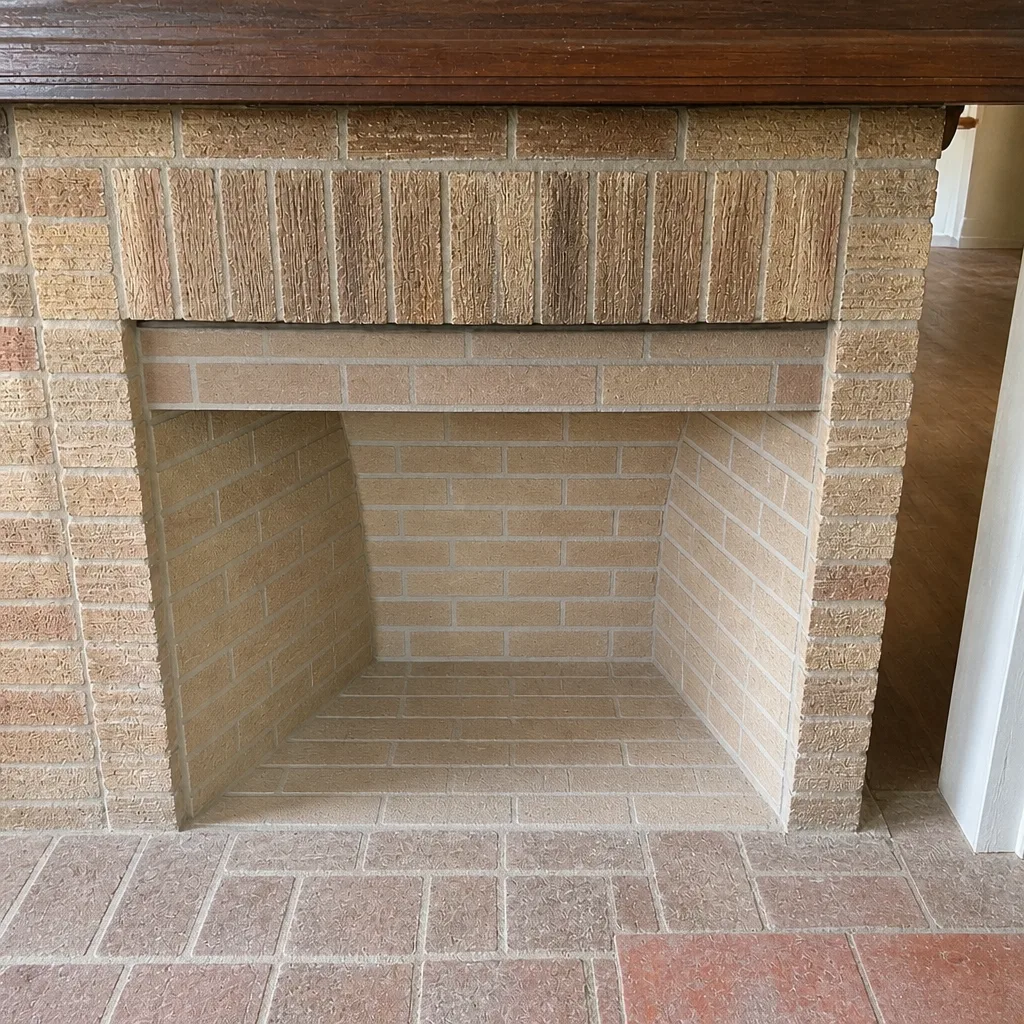
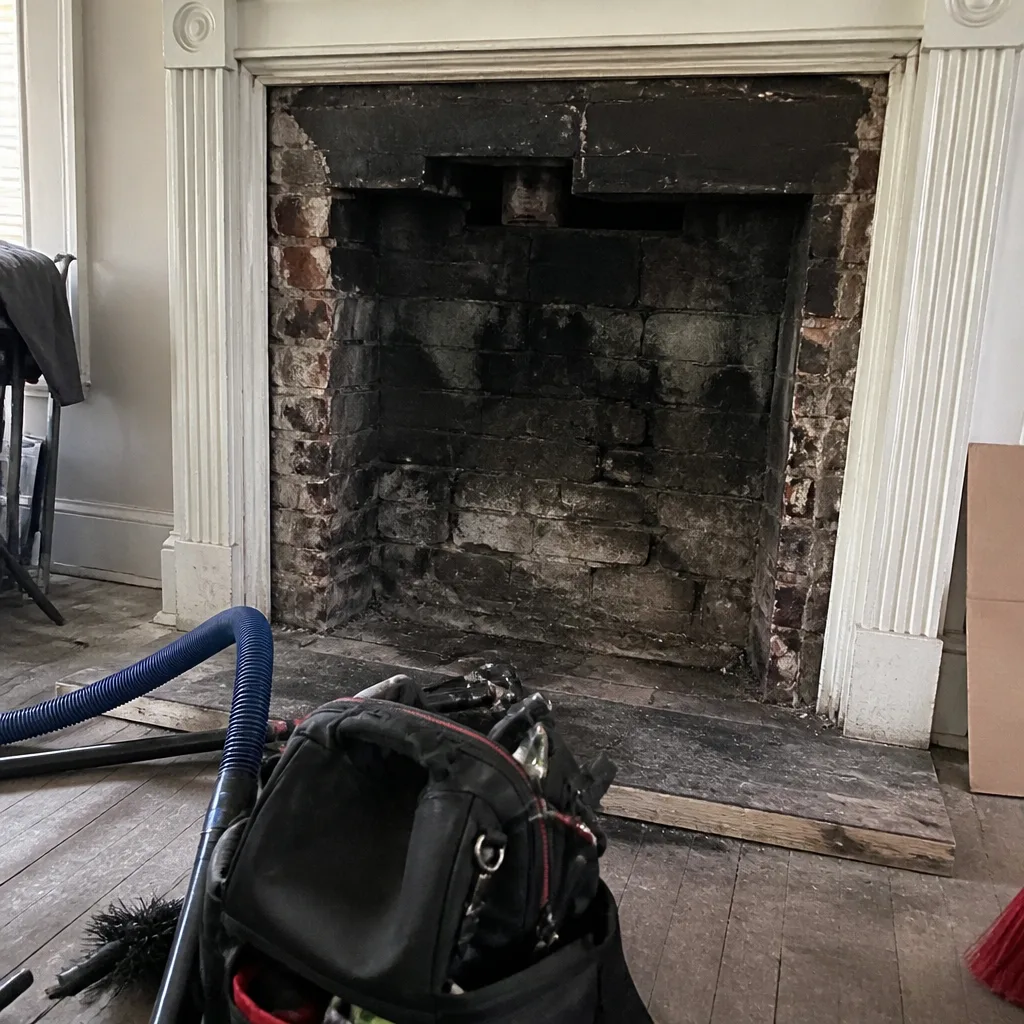
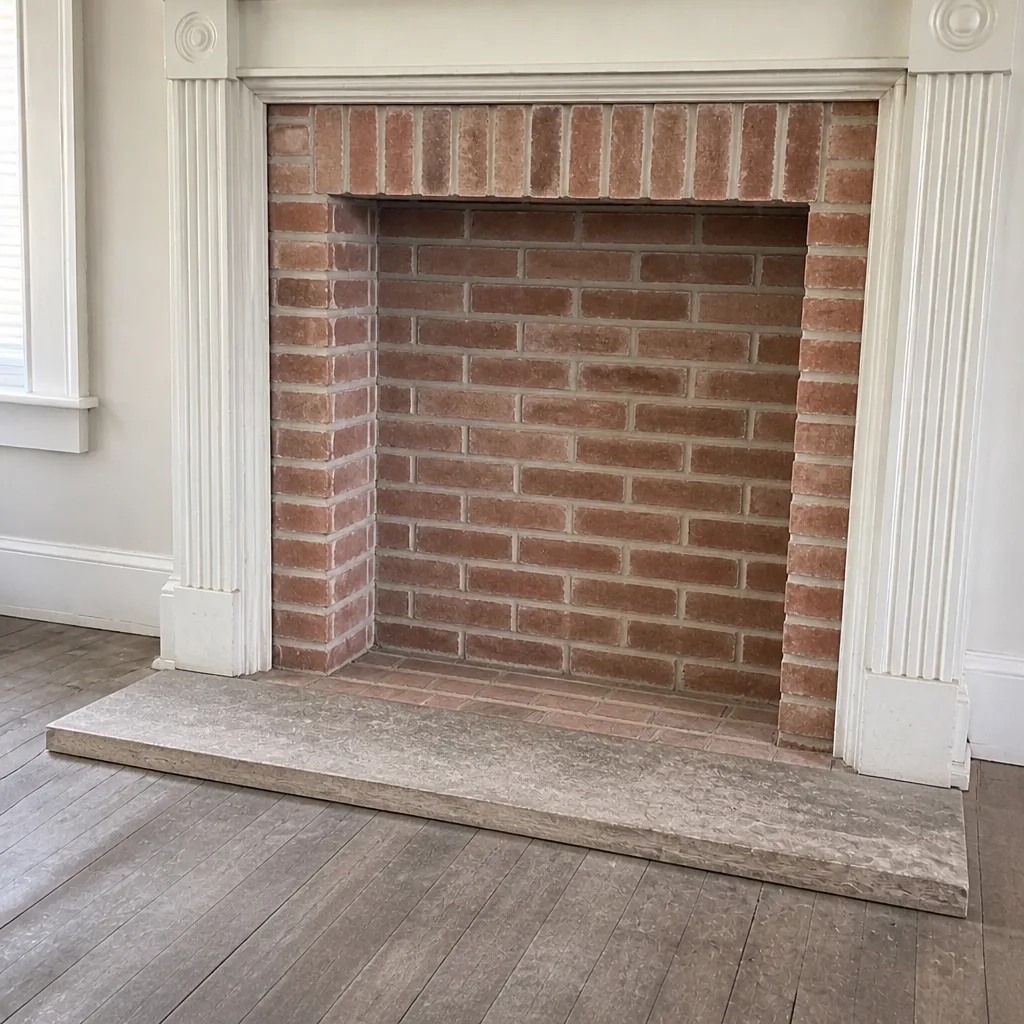
See the difference
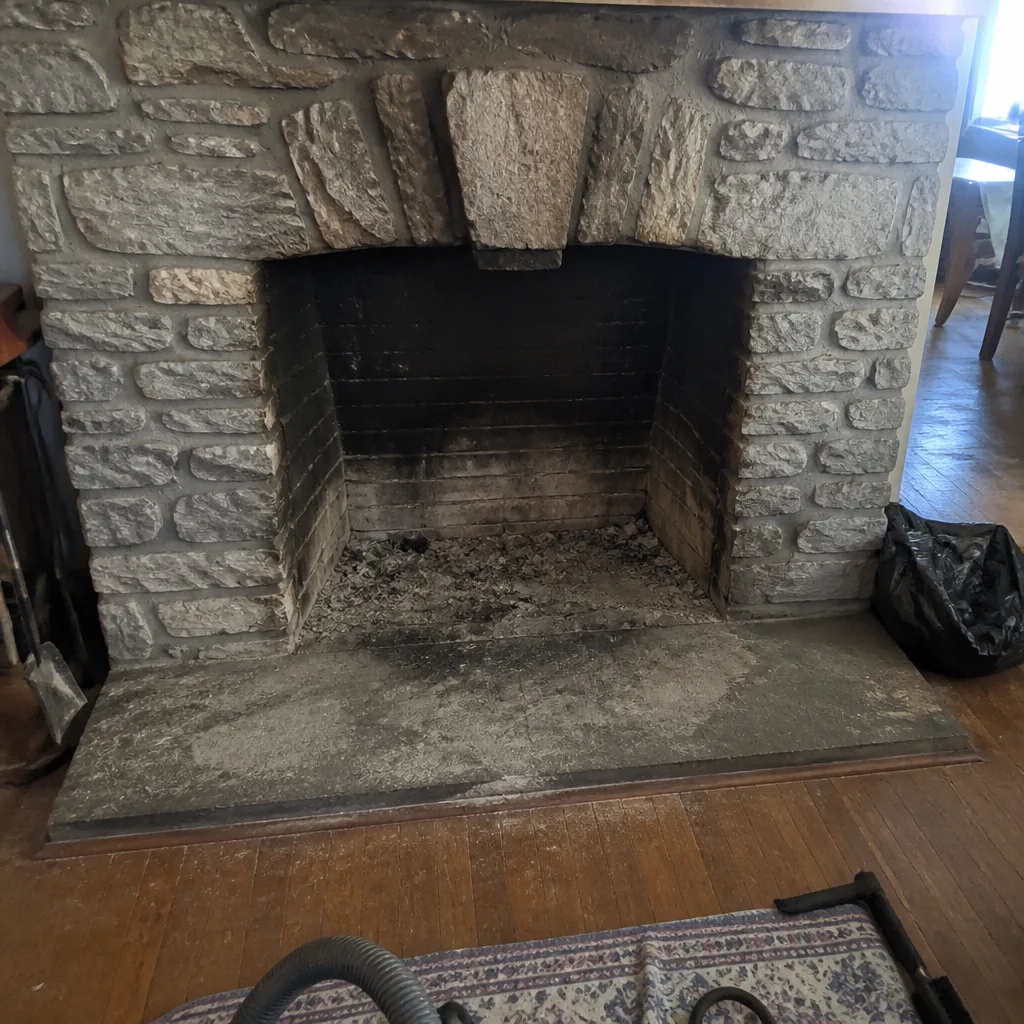 Before
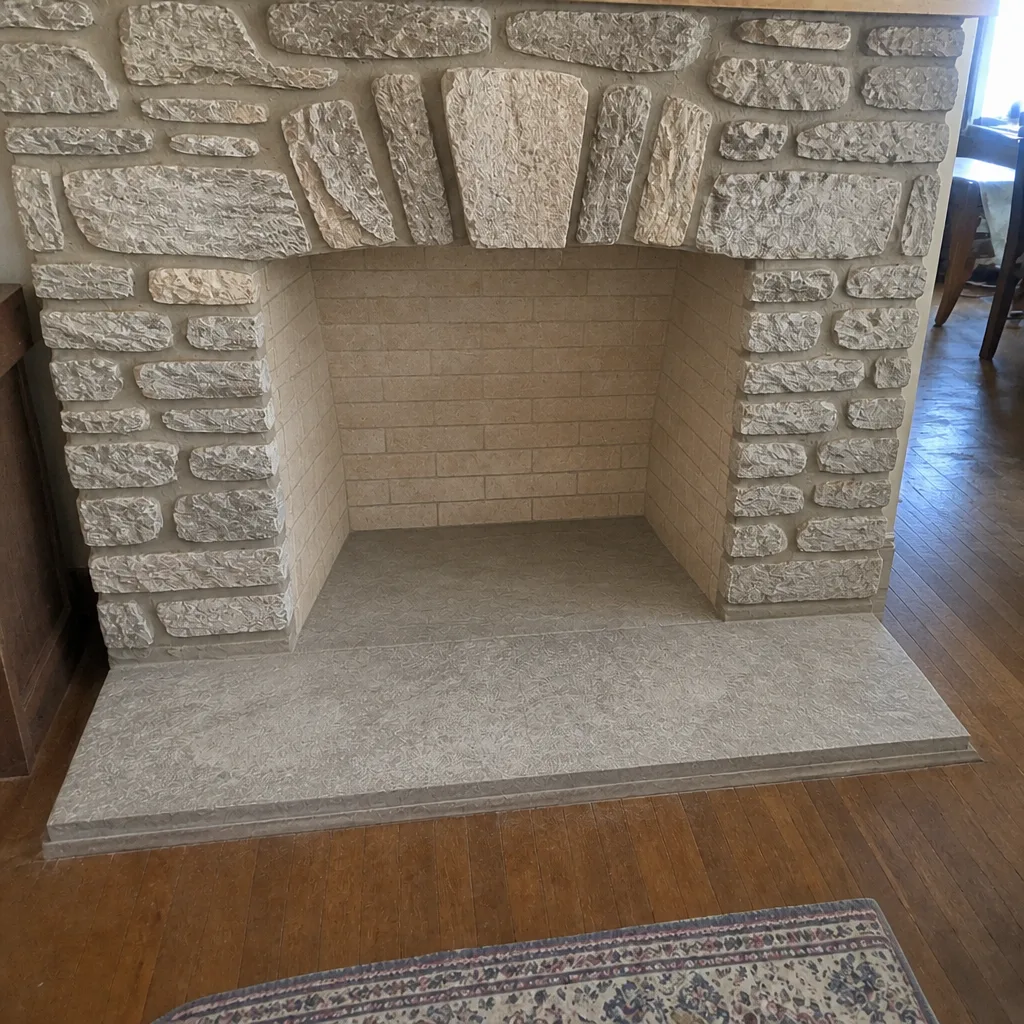 After
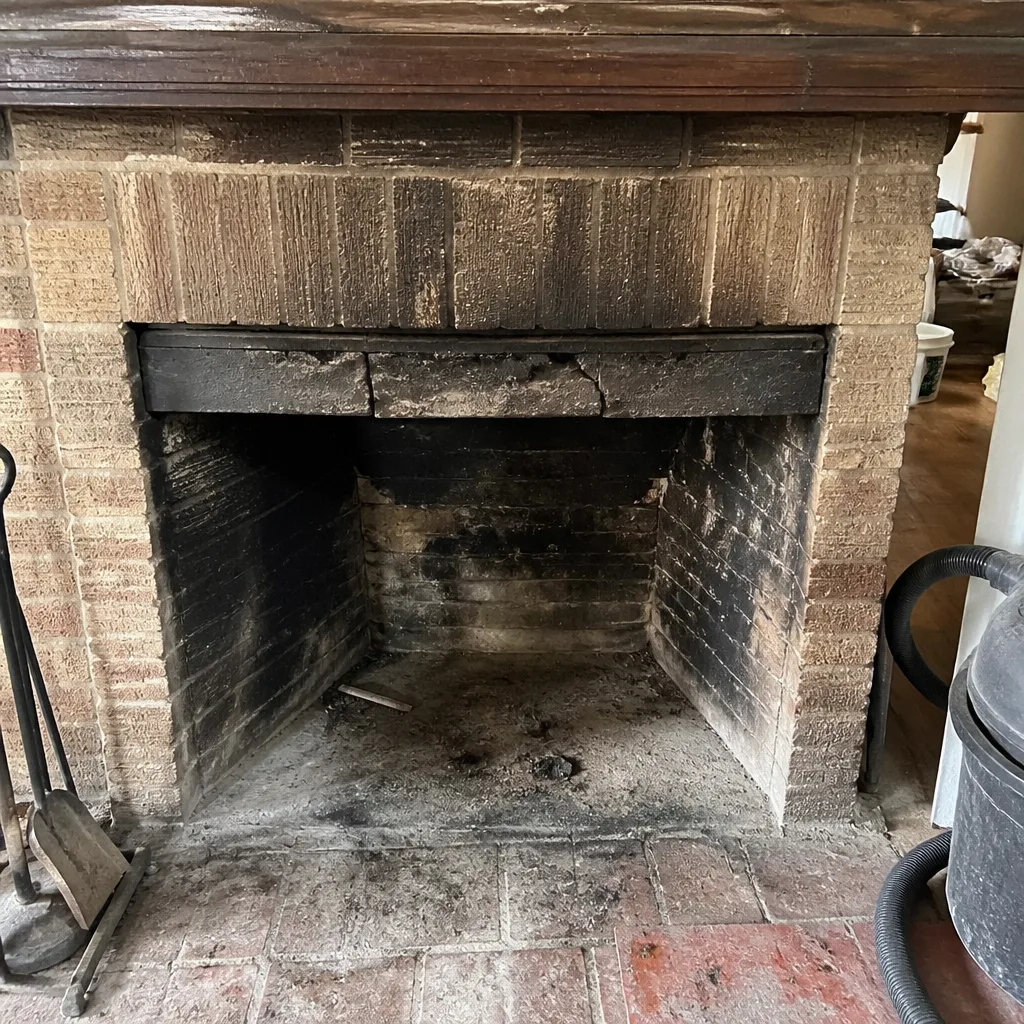 Before
 After
 Before
 After
When to Call a Professional
Some chimney work is a cleaning, and some is a diagnosis. Call a professional when you’ve just bought a home and don’t know the chimney’s history, when your fireplace burns differently than it used to, when you smell smoke in the house during a burn, when you’ve had a chimney fire even a small one, or when it’s been more than a year since the last cleaning on an actively used fireplace. Call if you see cracked or missing mortar, a damaged cap, or evidence of water in the firebox. And call if you’re being quoted liner work you can’t verify – a specialist will show you the camera footage and tell you plainly whether the repair can wait. Chimney Sweep Frankford offers free estimates in Frankford – call (833) 962-9222. We answer 24/7. Fast dispatch from 7am to 7pm, Sunday through Friday.
Safety matters here in a way it doesn’t for most home maintenance. A blocked or damaged flue can let carbon monoxide into the home, and a heavy creosote load is a fire risk. Those aren’t reasons to panic – they’re reasons to have the system checked by someone who works on chimneys every day. Our technicians have up to 15 years of experience, and chimney work is all we do, which means we diagnose the system, not just the symptom.
Frequently Asked Questions
A basic chimney sweep in Frankford typically runs $150 to $250. A sweep bundled with a Level 2 inspection usually falls between $250 and $400, and adding camera work and a written report pushes it to $350 to $500. The written estimate sets the final price. Call (833) 962-9222 for an exact quote – estimates are free.
A chimney should be swept once a year when the fireplace is used regularly. The annual cleaning keeps creosote at Stage 1 and gives a technician a chance to catch liner or crown problems before they become expensive. If you burn frequently, an annual visit is the standard. Call (833) 962-9222 to book a sweep before the next burning season.
Not always. A liner only needs replacing when the camera scan shows damage that can’t be repaired – cracks, gaps, or deterioration that compromises the flue. In some cases, HeatShield ceramic liner repair can restore a damaged liner without a full reline, and that’s a capability sweep-only companies don’t have. Nothing should be recommended without camera footage you can see for yourself. Call (833) 962-9222 for an assessment and an exact quote.
Creosote builds up and hardens, moving from Stage 1 to Stage 2 to Stage 3. That increases chimney fire risk and makes the eventual cleaning more expensive – a $250 cleaning can become a $1,500+ rotary cleaning or liner replacement. A damaged liner can also let carbon monoxide into the home. Skipping a cleaning doesn’t save money; it moves the cost to a repair. Call (833) 962-9222 for a sweep.
A $79 quote is usually a bare sweep with no camera inspection, which means you’re paying to have soot removed from a flue you still can’t evaluate. It’s a legitimate service if your chimney was inspected recently, but if you needed an assessment, you didn’t get one. Compare quotes by scope, not by price. Call (833) 962-9222 for a quote that spells out exactly what’s included.
Read the estimate line by line. Look for a separate inspection charge and a separate diagnostic fee – if both appear, ask what each covers, because they’re often the same task under two names. Check for travel or trip charges, and confirm whether the price is flat or hourly. A flat-price sweep agreed before booking means the quoted number is the number you pay. Call (833) 962-9222 for a written estimate you can read line by line.
The Bottom Line
Chimney cleaning costs in Frankford vary because the service itself varies – a bare sweep, a sweep with a Level 2 inspection, and a sweep with camera work and a written report are three different products at three different prices. The cheapest quote is usually cheap because it’s missing the parts that tell you whether your chimney is safe. Understanding the components – sweep labor, inspection level, camera work, containment, and the written report – lets you compare quotes accurately and spot hidden fees before work begins. Deferring a cleaning doesn’t save money; it shifts the cost to a repair. And when a repair gets recommended, ask to see the camera footage. You should never pay for liner work you can’t verify. Our chimney sweep service covers the full range, from routine cleaning to the repairs a full assessment turns up.
Get a Free Estimate
If you’re ready to know what your chimney actually needs, call Chimney Sweep Frankford at (833) 962-9222 for a free estimate. We answer 24/7. Fast dispatch from 7am to 7pm, Sunday through Friday. We’ll sweep, inspect, and show you exactly what the camera finds – then tell you plainly what needs fixing now and what can safely wait. From annual sweep to full liner rebuild, one specialist, start to finish.
Written by the team at Chimney Sweep Frankford.