
Last updated November 22, 2026
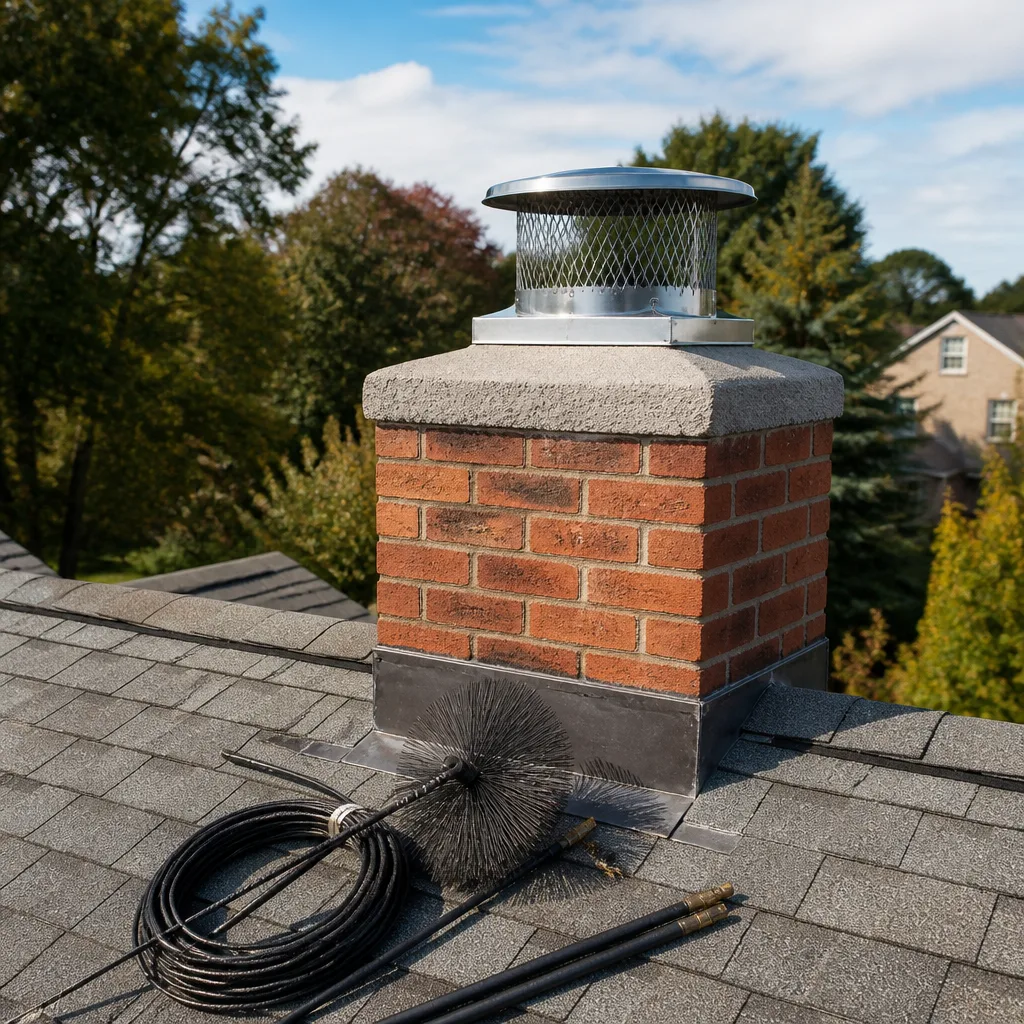 Sweep & inspection
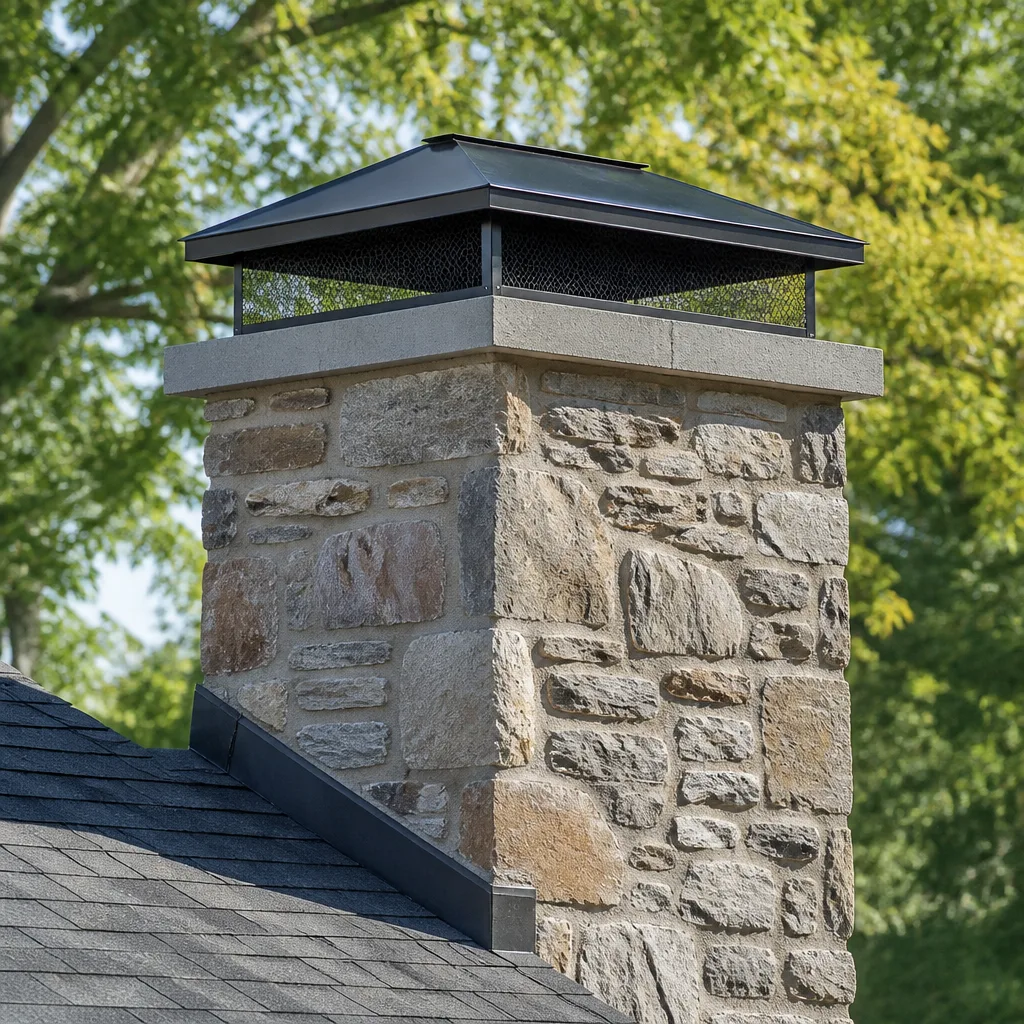 Caps & crowns
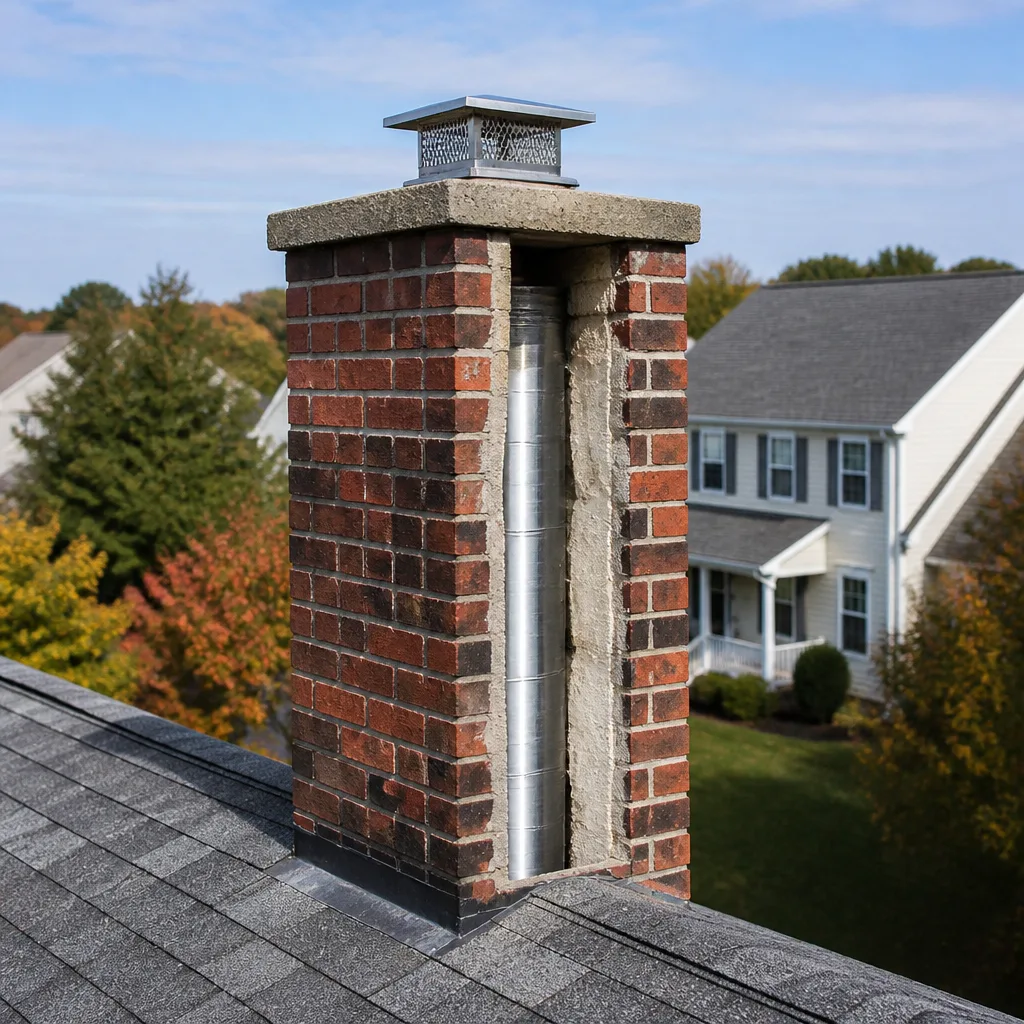 Flue relining
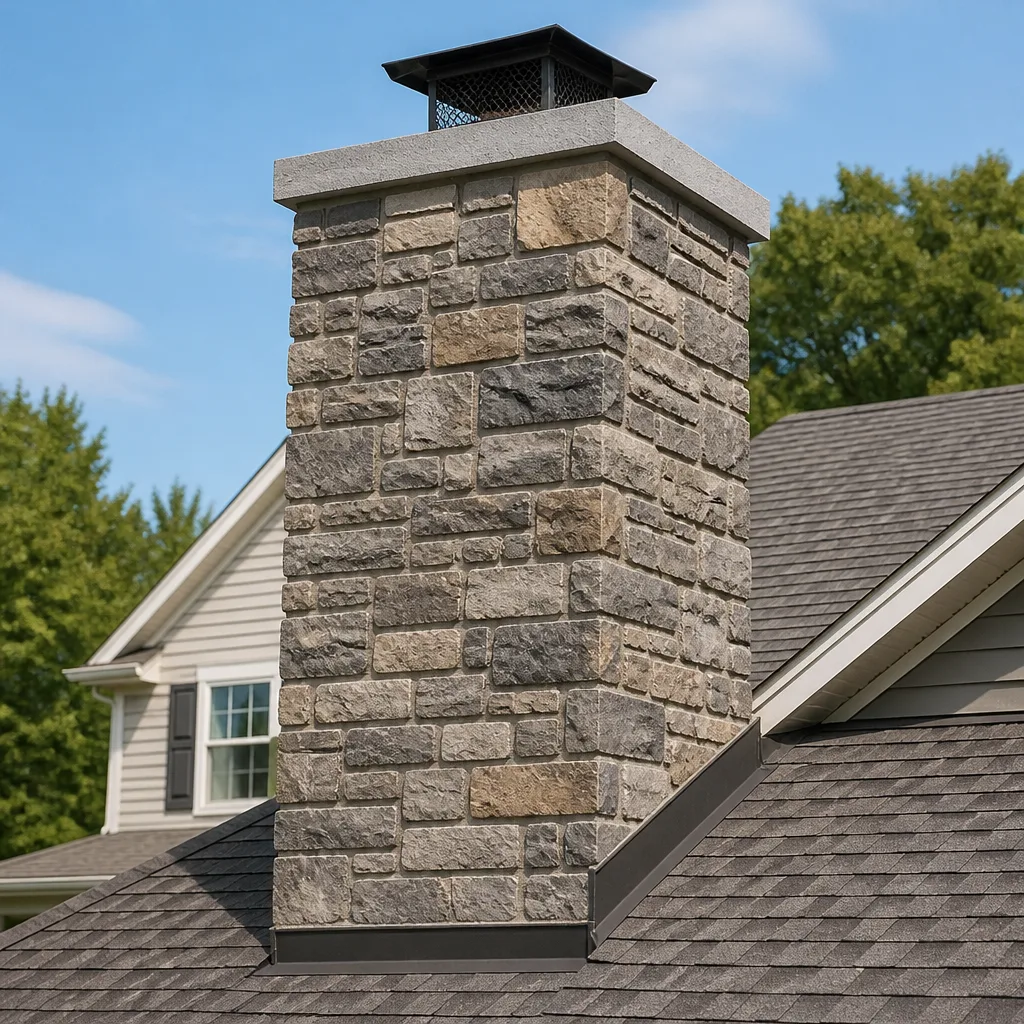 Masonry repair
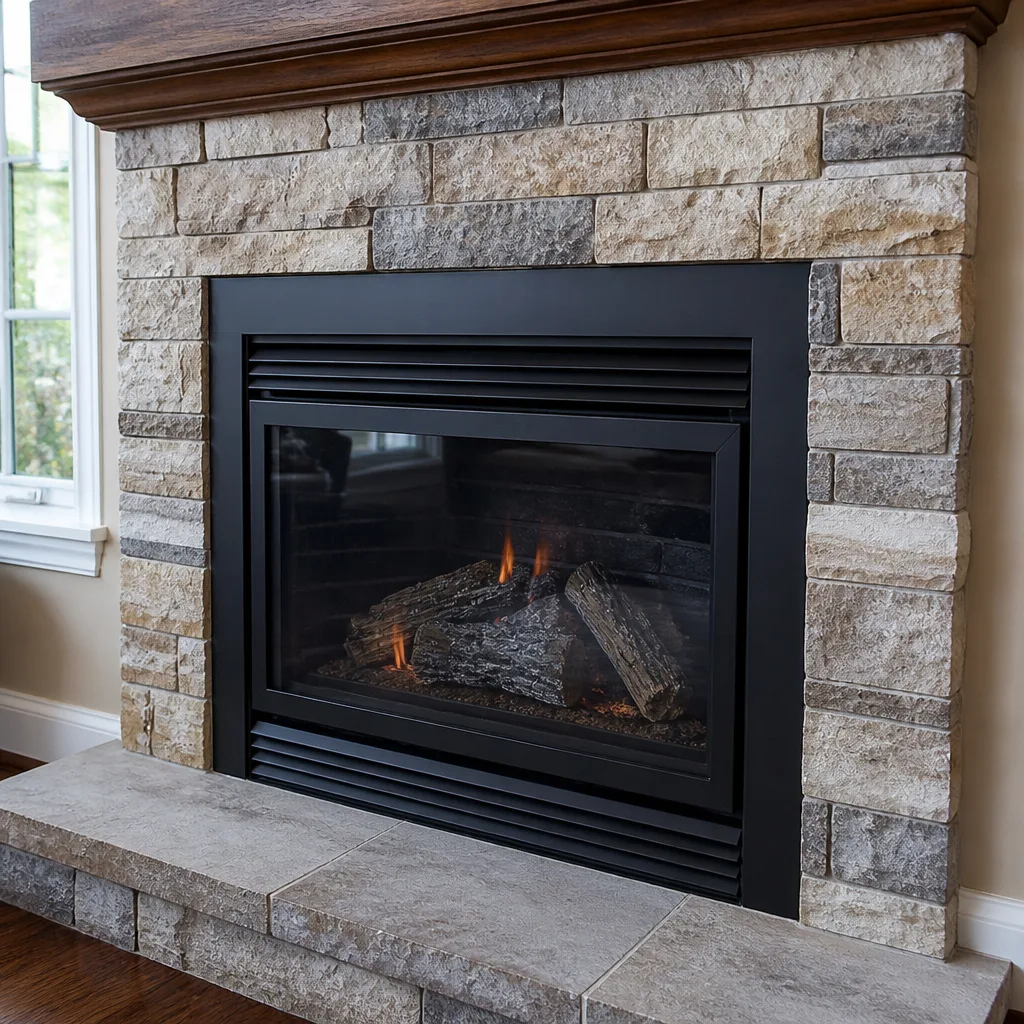 Gas fireplace service
Level 1 sweep and inspection to the NFPA 211 annual standard - flue, crown, cap, and flashing checked and photographed
Chimney sweep logs do not sweep chimneys. They loosen some creosote - which then falls where a brush and vacuum still have to collect it.
Choosing the Right Chimney Cleaning Brand: A Buyer’s Guide for Frankford
Two stainless steel chimney liners can look identical in a contractor’s photo and behave nothing alike over a decade of wood smoke. The difference usually comes down to steel grade and wall thickness, and almost no homeowner asks about either before signing. In Frankford, where winters run cold enough that a fireplace earns its keep, that gap in knowledge is where money quietly disappears. This guide walks through the brands professionals actually specify, how to read a cap or a crown sealer for what it really is, and how to verify – in plain language, before any work starts – that a contractor is installing professional-grade materials instead of commodity parts that fail early.
Quick Answer
The right chimney cleaning and repair brands are the ones credentialed technicians specify by name for the job at hand: HeatShield for restorative liner repair, Olympia Chimney and DuraFlex for stainless relining, and professional-grade sealers and caps matched to Frankford’s freeze-thaw winters. You don’t need to memorize model numbers. You need to ask which brands will be used, see the packaging, and read the names in the written estimate before you book.
Styles & brands we work with
- Sweep & inspection
- Caps & crowns
- Flue relining
- Masonry repair
- Gas fireplace service
Table of Contents
- Why Chimney Brands Matter More Than Most Homeowners Realize
- The Liner Brands Certified Sweeps Actually Specify
- Cap and Chase Cover Materials: What Lasts and What Doesn’t
- Creosote Removers and Cleaning Chemicals: What They Do and Don’t Do
- Crown Sealers and Masonry Products in Freeze-Thaw Conditions
- How to Verify What’s Being Installed in Your Chimney
- Why Brand Choice Is a Whole-System Decision
Why Chimney Brands Matter More Than Most Homeowners Realize
Chimney work hides its materials. Once a liner goes in, nobody sees it again until something goes wrong, and by then the failure is expensive. That hiding places all the leverage in the moment of specification: the choice between a 304 stainless liner and a 316L one, between an elastomeric crown sealer and a tube of hardware-store caulk, happens before the first piece is cut. After that, the homeowner’s only remaining role is to discover the difference years later.
In our experience, this is why chimney brands are a better trust signal than almost anything else a contractor can tell you. A company that names its materials has thought about them. A company that talks only about price has thought about price. Those are different businesses, and Frankford homeowners feel the difference when a liner that should have lasted a generation starts showing seams.
What “professional-grade” actually means
It means the product was specified for the application, not picked off a shelf because it was in stock. A professional-grade chimney cap is sized and rated for the flue it covers. A professional-grade liner matches its steel alloy to the fuel being burned. Professional tier isn’t a marketing label. It’s a decision trail you can audit.
- Rated for the fuel: wood, gas, and oil each stress materials differently.
- Matched to temperature: a wood-burning flue runs hotter than most people expect.
- Tested to a standard: reputable manufacturers publish listings and specifications.
- Documented: the brand name shows up on the estimate, the invoice, and the packaging.
Every item on that list is something a homeowner can ask about in Frankford before work begins. None of it requires technical training – just the willingness to ask and the expectation of a straight answer. We’d rather you ask than wonder. That’s the standard a chimney-only specialist should be held to.
The Liner Brands Certified Sweeps Actually Specify
The liner brands that credential-holding chimney technicians name most often for relining are HeatShield, Olympia Chimney, and DuraFlex. Each solves a different problem, and the correct choice depends on the condition of the existing flue rather than on what’s easiest to install. A sweep-only company can clean your chimney; it may not be equipped to reline or restore it. That difference in capability is exactly where brand knowledge matters most.
HeatShield: restorative repair instead of full replacement
HeatShield is a ceramic liner repair system applied to a deteriorated clay flue. Instead of demolishing and fully relining, technicians resurface the existing flue with a ceramic compound, restoring a smooth, sealed passageway. It’s a specialist restorative process that sweep-only providers simply don’t offer, and for some Frankford homes it’s the difference between a major rebuild and a repair that returns the chimney to safe service. The key: it only works where the existing flue structure can support it. HeatShield requires an honest assessment of condition first.
Olympia Chimney: the everyday professional specification
Olympia Chimney Supply is one of the names that turns up repeatedly on professional specs for caps, liners, and venting components. When a contractor names Olympia rather than describing “a liner,” they’re signaling that components will come from a manufacturer whose parts are sold through the trade. That’s a small thing with an outsized effect on how a chimney behaves over a long Pennsylvania winter.
DuraFlex and the wood-burning stainless question
DuraFlex flexible stainless liners are built for wood-burning applications where a rigid liner won’t pass the flue’s bends. The critical detail is the alloy. A 304-grade stainless liner and a 316L-grade liner look similar in a coil. Under wood smoke and the acidic condensate it produces, they age very differently – and 316L, with molybdenum added, resists that environment more effectively. The right choice depends on the fuel and the moisture in your wood. It is not a place to save a few dollars.
What distinguishes these brands from generic alternatives isn’t exclusivity. It’s traceability. You can read a manufacturer’s specification, check a listing, and compare it to what’s being installed. Generic parts have no such trail – and the failure modes, when they arrive, look identical to a botched installation until someone with the right instruments diagnoses the system. That diagnosis is part of a proper chimney repair assessment, not an add-on.
A final note on safety, because it matters: relining, liner removal, and work inside a flue are jobs for trained professionals. Do not attempt to inspect or modify a liner yourself. The right role for a homeowner is to verify what’s specified, not to install it.
Cap and Chase Cover Materials: What Lasts and What Doesn’t
A chimney cap protects the flue from rain and animals; a chase cover seals the top of a manufactured chimney. Both are exposed to every season Frankford throws at them, and material choice determines how long either one lasts. The cheap option usually announces itself within a handful of years, often after a freeze has worked its way into a seam.
- Galvanized steel: the budget choice. Adequate in mild conditions, but the coating is prone to rust where water sits, and it typically needs replacement within a short window compared with better materials.
- Aluminum: light, rust-resistant, and a reasonable step up. Best where weight and cost both matter, though it dents more easily.
- Stainless steel: the durable specification. Higher upfront cost, longer service life, and far better behavior under freeze-thaw cycling, which is common in Frankford’s winters.
The pattern is consistent: the cheapest cap on the market usually needs replacing before a stainless one needs attention. That’s why a professional-grade cap is priced the way it is – you’re paying for years, not for a label. The chimney cap & crown work we do pairs a rated cap with a properly formed and sealed crown, because a good cap over a cracked crown still lets water into the masonry. These are a single unit of protection.
What to check before approving a cap
- Confirm the material grade: stainless, aluminum, or galvanized, in writing.
- Confirm the cap is sized to the flue opening, not a one-size-fits-most unit.
- Ask about the mesh screen – it should resist corrosion and stay fixed.
- Verify the crown is formed, sloped, and sealed, not patched with caulk.
These four checks take minutes and settle most of the material debate. If a contractor can’t name the metal, that’s your answer.
Creosote Removers and Cleaning Chemicals: What They Do and Don’t Do
Professional creosote removers, including Anti-Creo-Soot and similar products, soften glazed creosote so that mechanical cleaning can remove it more effectively. They do not clean a chimney on their own. The chemical is an assistant to the brush and rod, never a replacement for them – and that distinction is one of the most misunderstood pieces of chimney care among homeowners.
Creosote forms in layers, and the hard, glazed stage resists a brush. A qualified sweep uses a staged approach. First, the flue is inspected. Then a softening agent is applied where the deposit warrants it, followed by mechanical cleaning once the glaze has broken down. The chemical shortens the mechanical work. It doesn’t do the work.
- Powder and liquid removers: best applied to the fire when the flue is being prepared, softening creosote for the brush.
- They help brush-based cleaning: they support mechanical removal, never replace it.
- They don’t substitute for inspection: a camera and a trained eye decide what’s needed.
- They aren’t a safety shortcut: softened creosote still needs removing.
Here’s the bigger point for Frankford homeowners: creosote is the fuel that turns a small flue fire into a dangerous one, and it builds faster when wood is burned wet or the flue is undersized. Chemical products extend how long a dirty flue can wait. They don’t reset the clock indefinitely. A real chimney sweep clears the deposit and documents what was found. That documentation is what protects you when a future buyer or inspector asks about the chimney’s condition.
Crown Sealers and Masonry Products in Freeze-Thaw Conditions
Crown sealants fall into two rough categories, and the difference is not cosmetic. Basic masonry caulk is designed for sealing joints in mostly stable conditions. Elastomeric crown sealers are built to stretch and recover as the masonry moves with temperature. In Frankford’s freeze-thaw winters, that flexibility is the whole game: a rigid sealer cracks under the cycling, and once it cracks, water gets in, and once water gets in and freezes, the crown begins to fail.
A failed crown shows up as a cracked, flaking, or missing top surface. Water finds the cracks, freezes, expands, and quietly widens them season after season. Elastomeric crown sealer – the professional grade of product used by chimney pros – tolerates that movement and gives the masonry a fighting chance at a long life. Masonry caulk does not.
- Elastomeric crown sealer: flexible, weather-rated, and the correct professional specification for the crown top.
- Masonry caulk: suited to joints in sheltered conditions, not the exposed crown surface.
- Both belong to the repair, not to the decoration: the seal is protective, not cosmetic.
What should a Frankford homeowner expect in the estimate? The sealer should be named, the crown should be prepped before sealing, and the job should be inspected after a full freeze cycle to confirm the seal held. If a crown is already failing structurally, sealing alone is not enough – the crown needs proper re-forming. That’s the specialist diagnosis, and this is the kind of chimney repair work that a generalist contractor should not be trusted with. One crown, one sealer, done properly.
How to Verify What’s Being Installed in Your Chimney
You can verify the materials being installed in your chimney by asking the contractor to name the brands in writing and show the packaging on the day of the work. A professional has nothing to hide and everything to point to. A contractor who resists that request has told you something important.
The verification method, step by step
- Ask early. When you book, ask which brands the company will use for the cap, the liner, the sealer, or the cleaning chemical.
- Get the names in writing. Ask for the brand names to appear in the written estimate, next to the item they apply to.
- Ask to see the packaging. On-site, ask the technician to show you the unopened packaging before the product is applied. That’s normal for us, and it should be normal for anyone you hire.
- Match the brand to the job. A HeatShield application should say HeatShield. A stainless liner should name the alloy and the brand.
- Keep the paperwork. The estimate, the invoice, and the product names together give you a record that means something if there’s ever a question.
That’s it. No jargon, no password, no special knowledge required. We’ve seen homeowners get burned by materials they never saw, and the fix begins with asking to see them. In Frankford, this habit is worth more than any endorsement you might read online.
The same principle applies to who you hire. A company dedicated to chimney and fireplace work sees problems a generalist misses because it’s focused on one system all day long. That focus is the diagnostic advantage. Our technicians have up to 15 years of experience, and the company works with professional-grade brands including DuraFlex, HeatShield, Gelco, Olympia Chimney, Famco, and Copperfield.
Why Brand Choice Is a Whole-System Decision
A chimney is a system, and its parts have to work as one. A beautifully installed liner means little if the crown above it leaks. A perfect stainless cap won’t save you from a failed chase cover. Frankford winters don’t respect the boundary between “the parts we install” and “the parts we skip.”
That’s why the full-system view matters. A professional brand specification is not one choice. It’s a series of choices that have to line up: the cap material, the crown sealer, the liner alloy, the repair method, and the cleaning protocol. A company that handles the sweep, the cap and crown, the liner, and structural rebuilds is working from one diagnostic picture. A company that handles only the sweep and subcontracts the rest is working from several. When something goes wrong, “several” is a bad place to be.
- The sweep clears the creosote and documents the flue condition.
- The cap and crown seal the top and keep water out.
- The liner carries combustion gases safely, spec’d to the fuel.
- The rebuild restores structure when masonry has failed.
- The fireplace repair brings the appliance back to service safely.
The one thing we’d add from our side: don’t take our word for the brands. Ask us to name them, show them, and write them down. We’d rather earn the sale that way. Chimney work is all we do, which means we see problems generalists miss, and the materials are a big part of why. If you’re new to a property in Frankford, a first full-system assessment is the best money you can spend before lighting that first fire.
Common Mistakes to Avoid
- Accepting a liner with no alloy named. “Stainless steel” is not a specification. Ask whether it’s 304 or 316L, and match it to how you burn.
- Choosing the cheapest cap. A galvanized cap is a short-term fix in Frankford’s winter cycles. Stainless costs more up front and lasts far longer.
- Treating a creosote remover as a substitute for cleaning. Chemical products soften glaze; they never replace the brush, and they don’t reset the deposit clock.
- Sealing a crown with masonry caulk. It cracks under freeze-thaw. Elastomeric crown sealer is the correct product and it should be named in the estimate.
- Hiring a generalist to spec a liner. A contractor who works across trades may not be evaluating your flue’s alloy and condition with the specificity a chimney-only specialist brings.
- Skipping the written brand names. If the estimate says “chimney cap” but not which metal, that’s a gap worth closing before you book.
- Cleaning without inspecting. A sweep that never documents what it found leaves you with a clean flue and no record of its condition. Camera inspection and a photo report are part of a proper job.
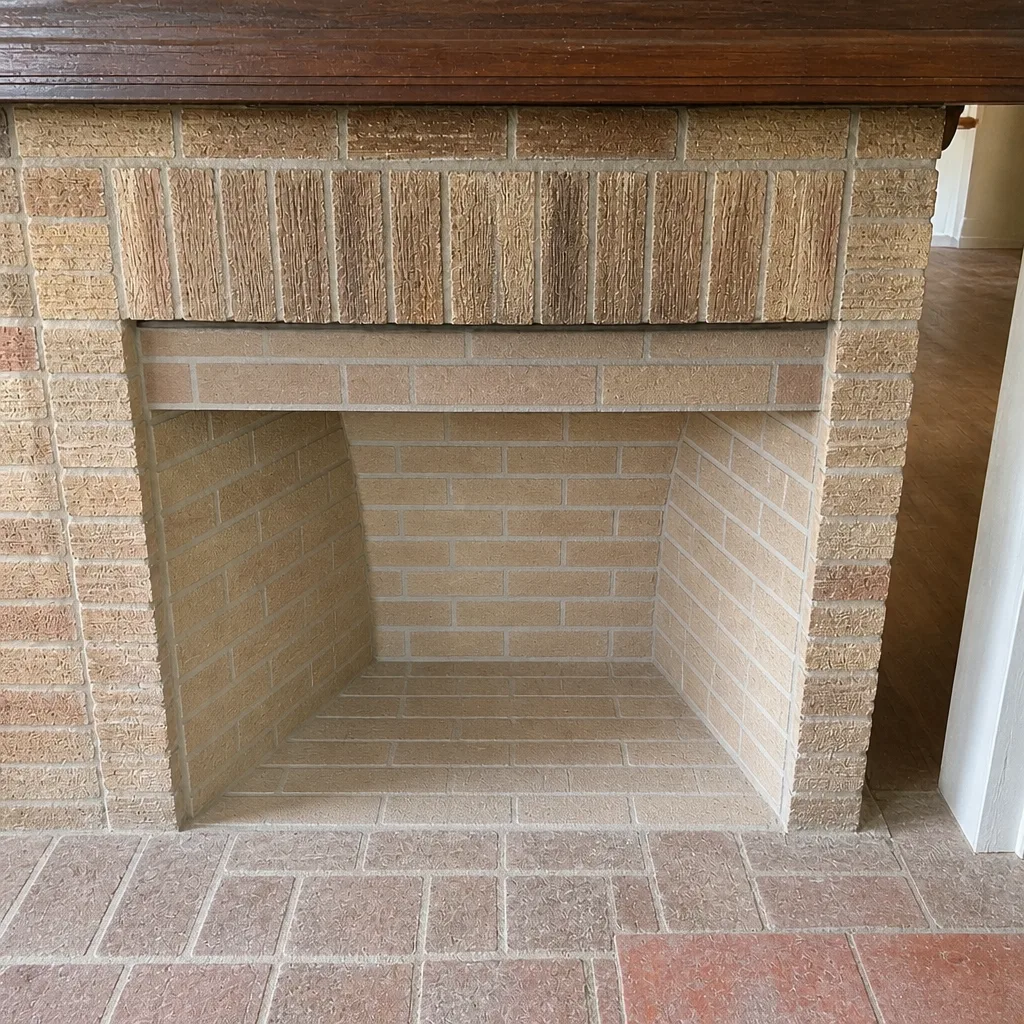
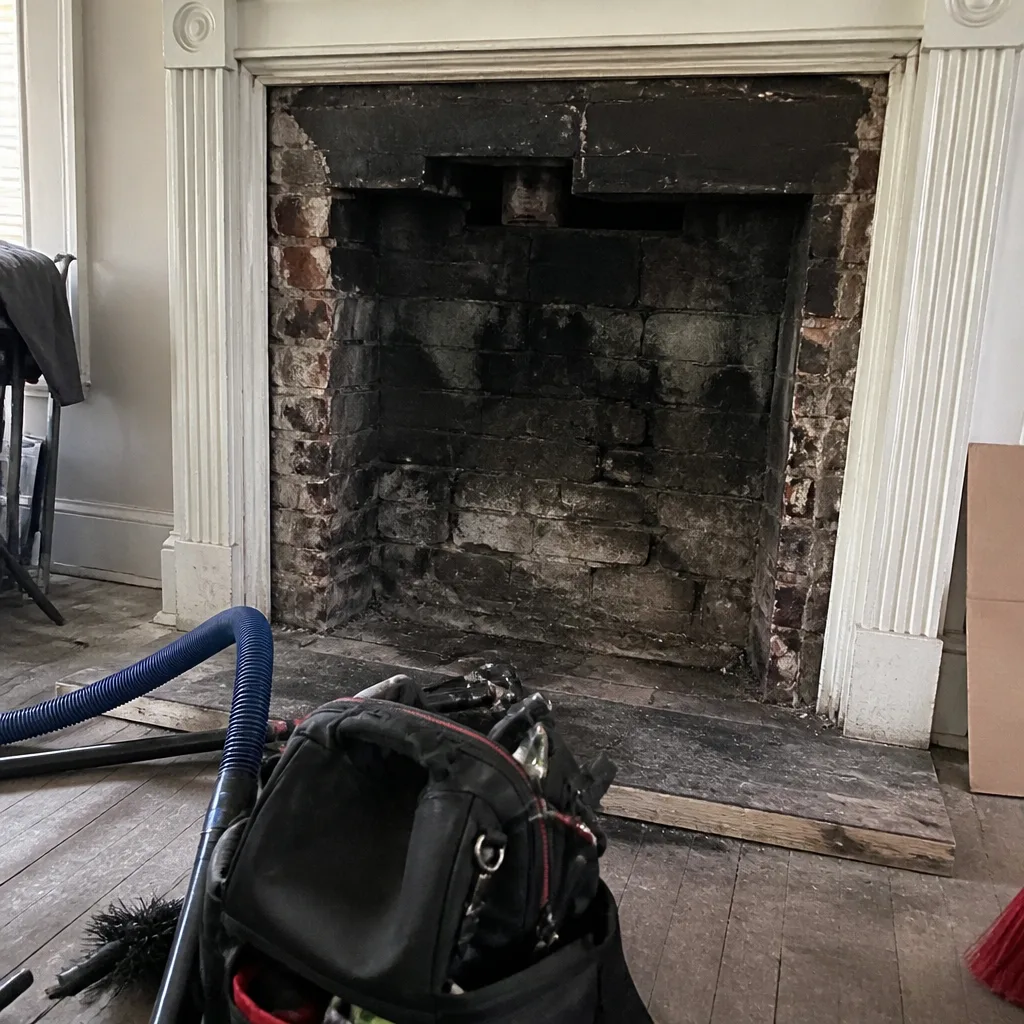
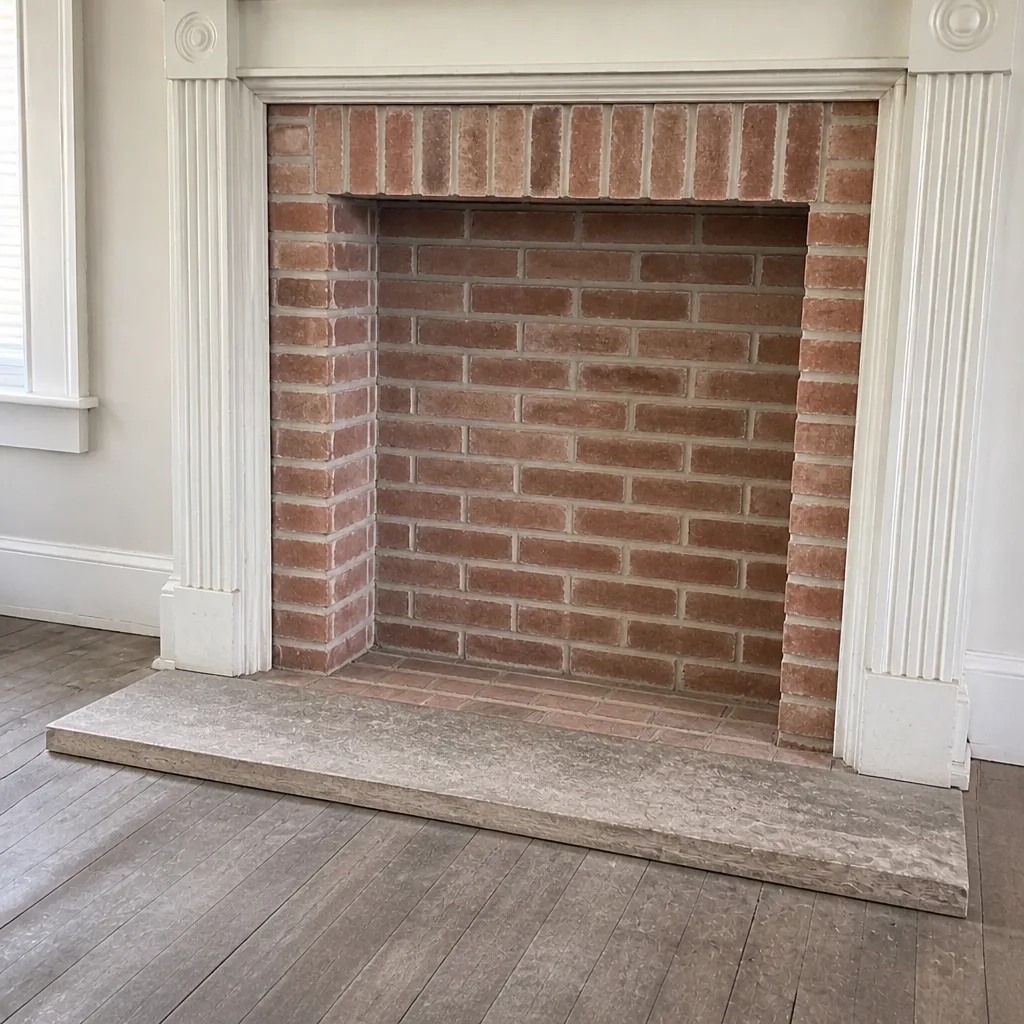
See the difference
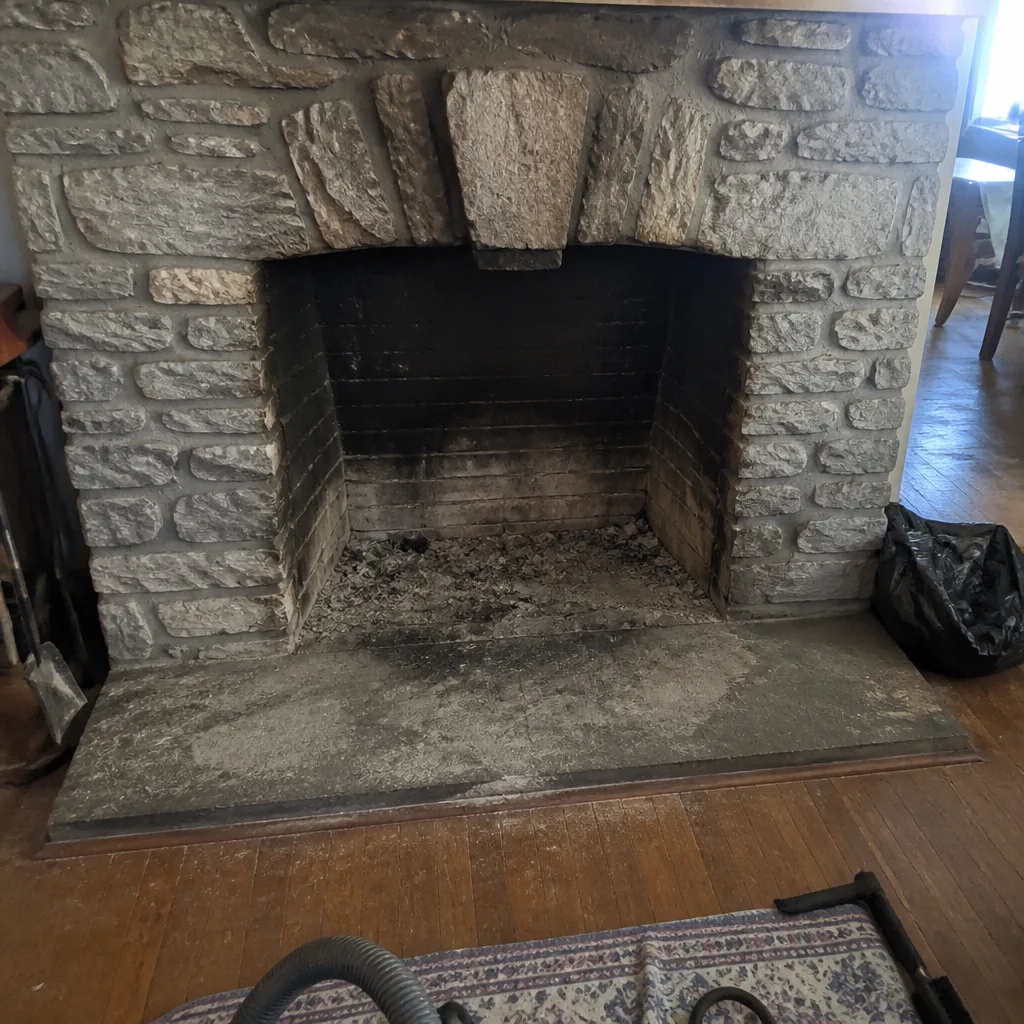 Before
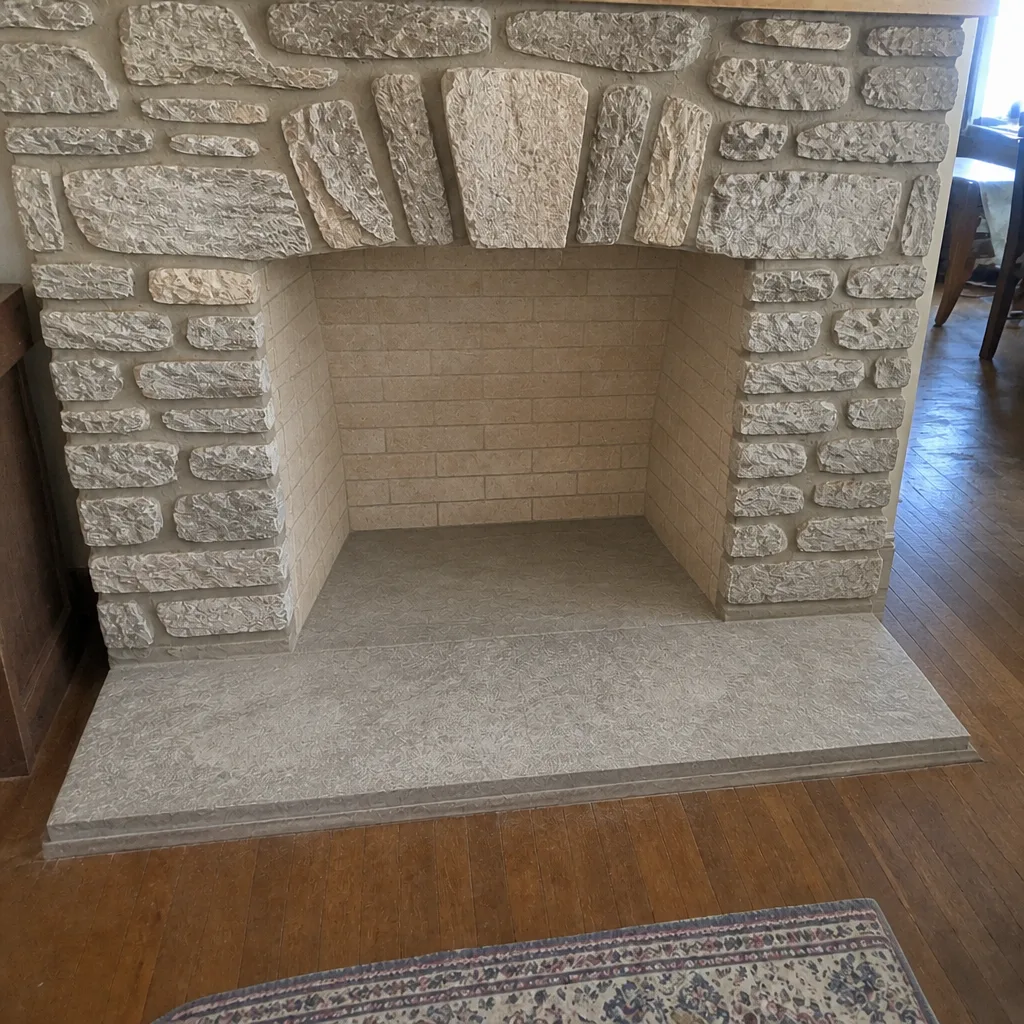 After
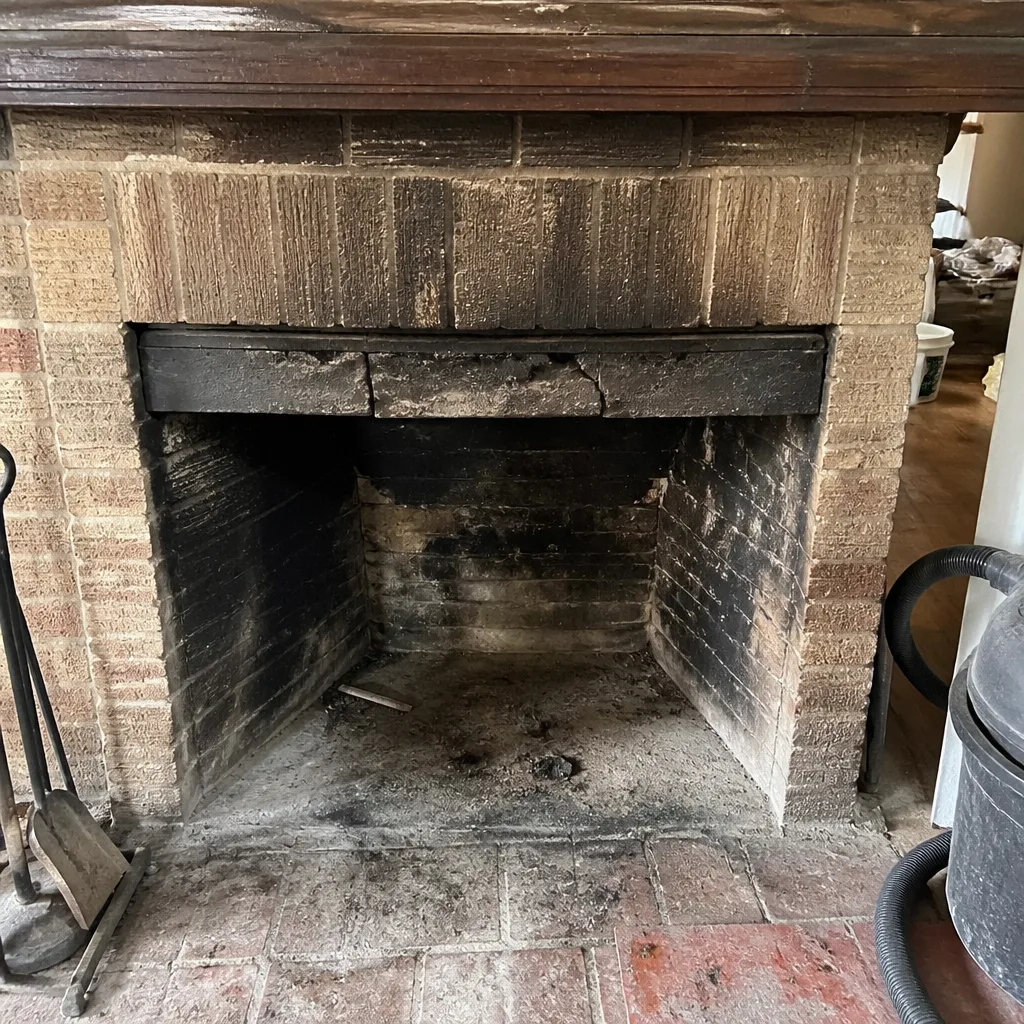 Before
 After
 Before
 After
When to Call a Professional
Call a professional when you don’t know when a chimney was last swept or inspected, when you notice a cracked or flaking crown, a loose cap, a smoky draft, or a liner that’s showing seams. Call before the first fire of the season on a property you’ve just bought, and call if you’re burning wood that’s not fully seasoned. Liner work, crown re-forming, and structural repair are jobs that belong to a trained chimney professional – they hold the safety of your home, and the wrong materials in the wrong hands are a risk no homeowner should take on themselves.
Chimney Sweep Frankford offers free estimates in Frankford – call (833) 962-9222. We answer 24/7, with fast dispatch from 7am to 7pm, Sunday through Friday. We’re closed Saturday. From annual sweep to full liner rebuild, one specialist, start to finish.
Frequently Asked Questions
For liners and caps, the professional names you’ll see repeated are HeatShield for restorative ceramic repair, Olympia Chimney for caps and venting, and DuraFlex for wood-burning stainless liners. For crown work, professional-grade elastomeric crown sealer is the correct specification. In every case, ask the contractor to put the brand name in the written estimate. Call (833) 962-9222 for a free estimate and we’ll name every material we plan to use before you book.
Yes, and more than most homeowners expect. Wood smoke produces acidic condensate, and 316L stainless resists that environment more effectively than 304 because of the molybdenum in it. The difference doesn’t show up on day one. It shows up years in, when a 304 liner is showing seams and a 316L one is still holding. If you burn wood, ask about the alloy. Call (833) 962-9222 for an exact quote – estimates are free.
No. Professional products like Anti-Creo-Soot soften glazed creosote so a brush can remove it. They support mechanical cleaning; they never replace it, and they don’t substitute for a camera inspection. Please don’t rely on a chemical alone – the creosote a remover softens is still there until it’s swept out. Call (833) 962-9222 for a free estimate on a proper sweep.
A stainless steel cap should hold up over many winter freeze-thaw cycles. The cheapest galvanized options typically need replacement within a handful of years – usually after a rusted seam or a dented mesh screen. Stainless costs more up front and lasts far longer, which is why professionals specify it. Call (833) 962-9222 for an exact quote on a properly sized stainless cap – estimates are free.
Because the wrong product gets used. Basic masonry caulk is rigid and cracks under the freeze-thaw cycling that Frankford winters bring, and each cracked seam lets water into the masonry. An elastomeric crown sealer stretches and recovers with the movement, so the seal survives the season. If your crown has already cracked, sealing alone won’t save it; it needs proper re-forming. Call (833) 962-9222 for a free estimate and camera evidence of what’s actually happening.
Yes, and you should. Ask for the brand names to appear in the written estimate, then ask the technician to show the unopened packaging before installation. A professional has nothing to hide and everything to point to. If a contractor resists, that’s useful information too. Call (833) 962-9222 for a free estimate – and ask us about our materials before you book.
The Bottom Line
Chimney brands are a homeowner’s best verification tool, because the materials that go into a chimney are mostly invisible after they’re installed. Naming them in writing and seeing them before they go in closes that gap. HeatShield for restoration, Olympia Chimney for caps, DuraFlex for wood-burning stainless, professional-grade elastomeric sealer for the crown – these are the specifications that matter, and the names are what separates a professional from a price. Frankford winters are hard on chimneys. The right materials, installed by a specialist who works one system and knows its brands, are what carry a chimney through them safely. Read the estimate for the names, ask to see the packaging, and don’t settle for a generic part in a specialist’s job.
Call (833) 962-9222 for a free estimate. We answer 24/7, with fast dispatch from 7am to 7pm, Sunday through Friday. Closed Saturday.
Written by the team at Chimney Sweep Frankford.