
Last updated November 22, 2026
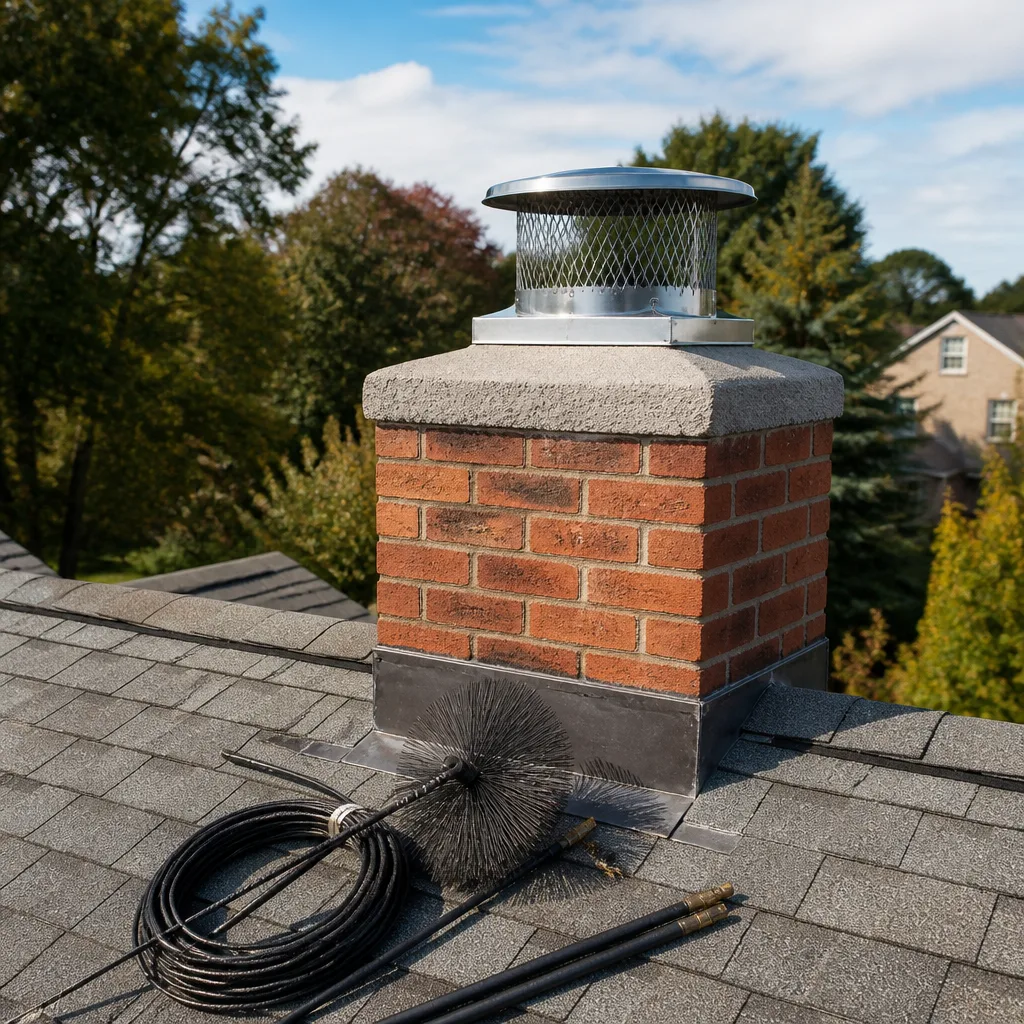 Sweep & inspection
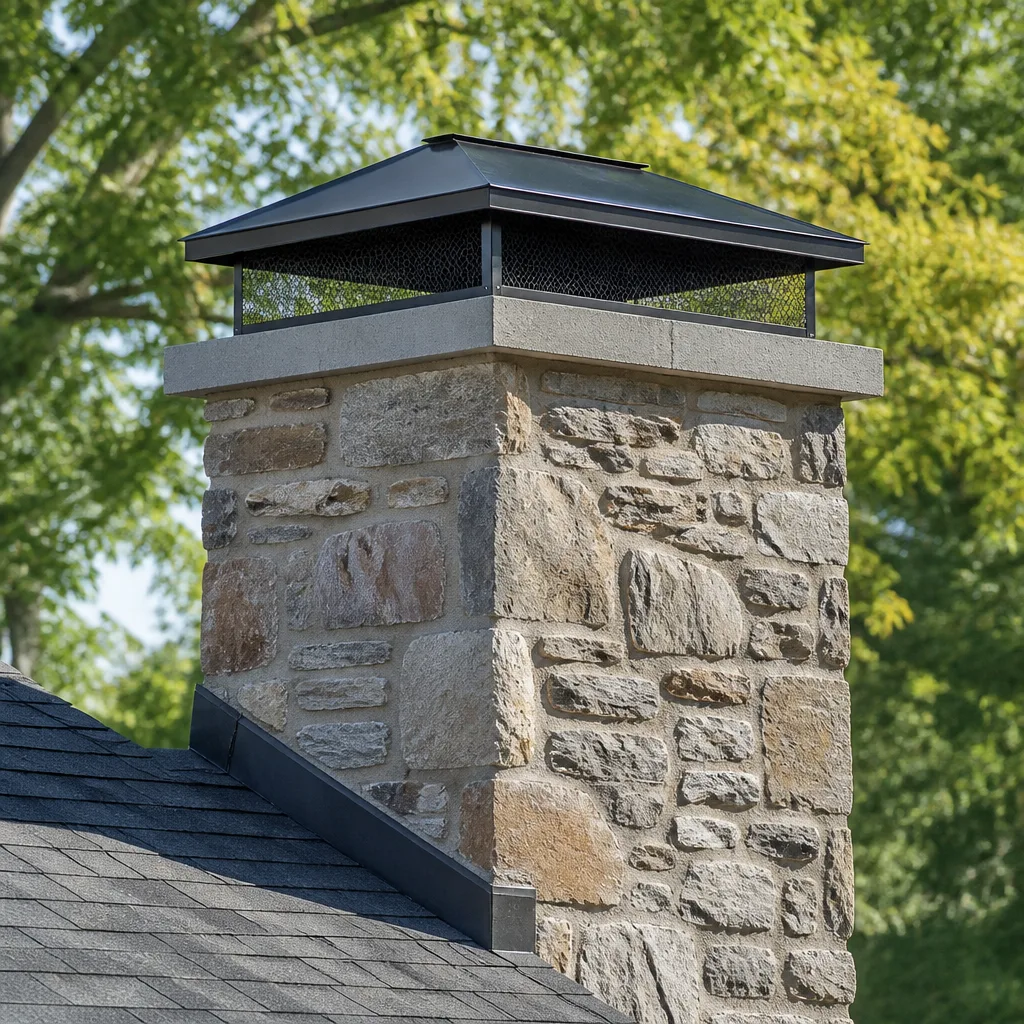 Caps & crowns
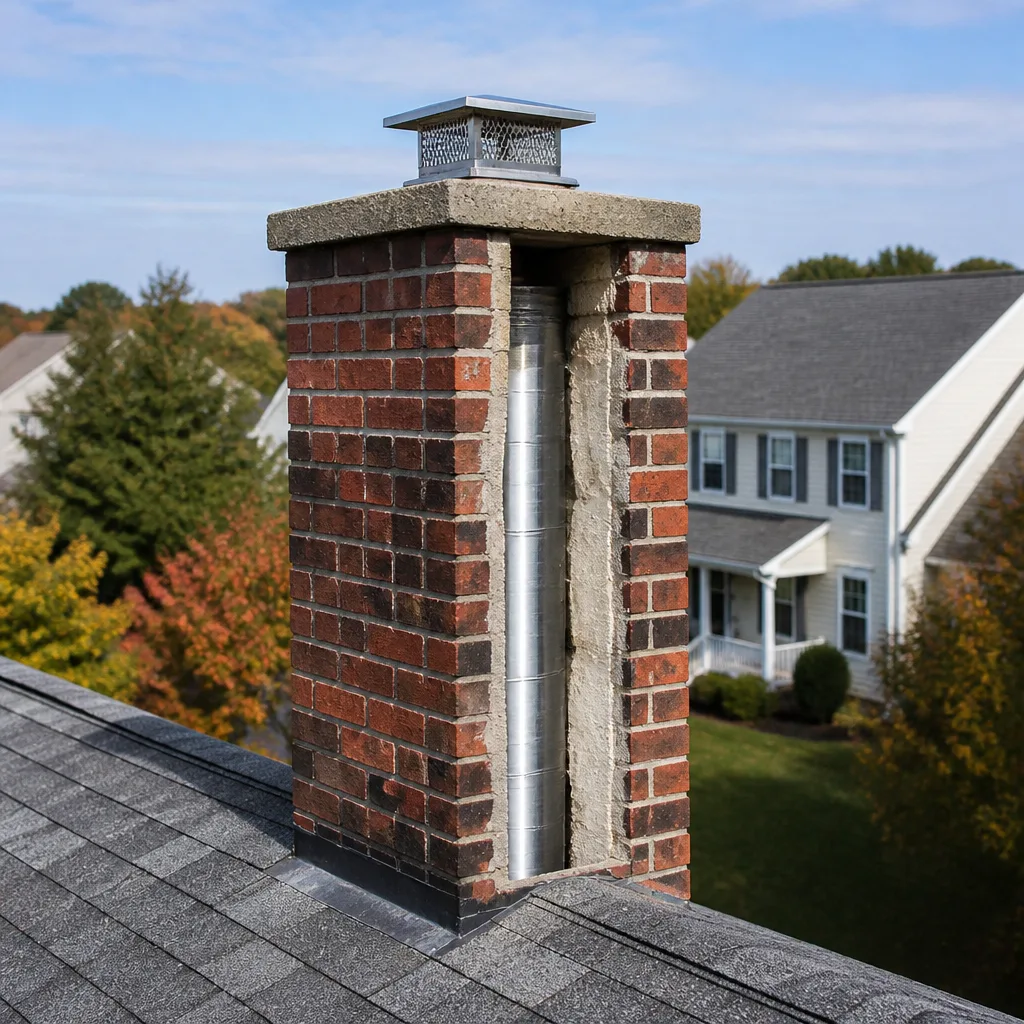 Flue relining
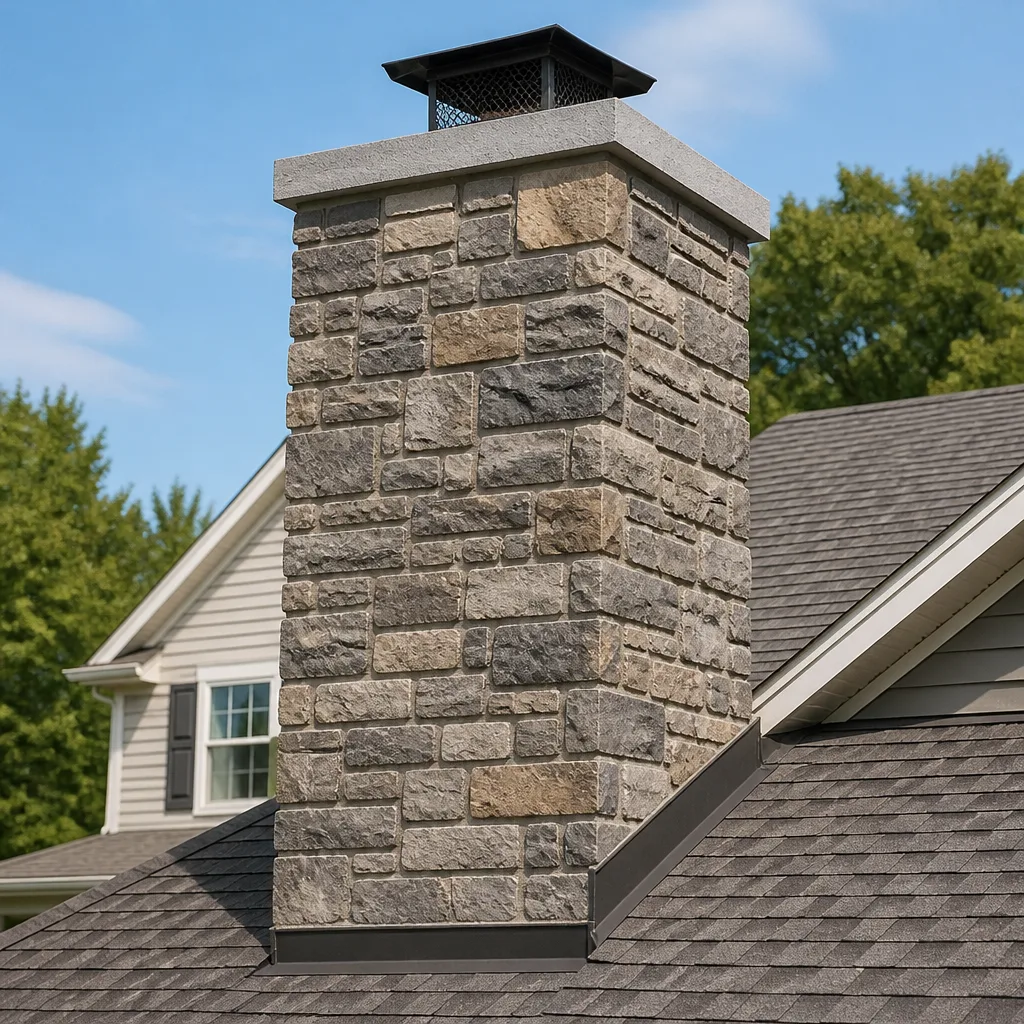 Masonry repair
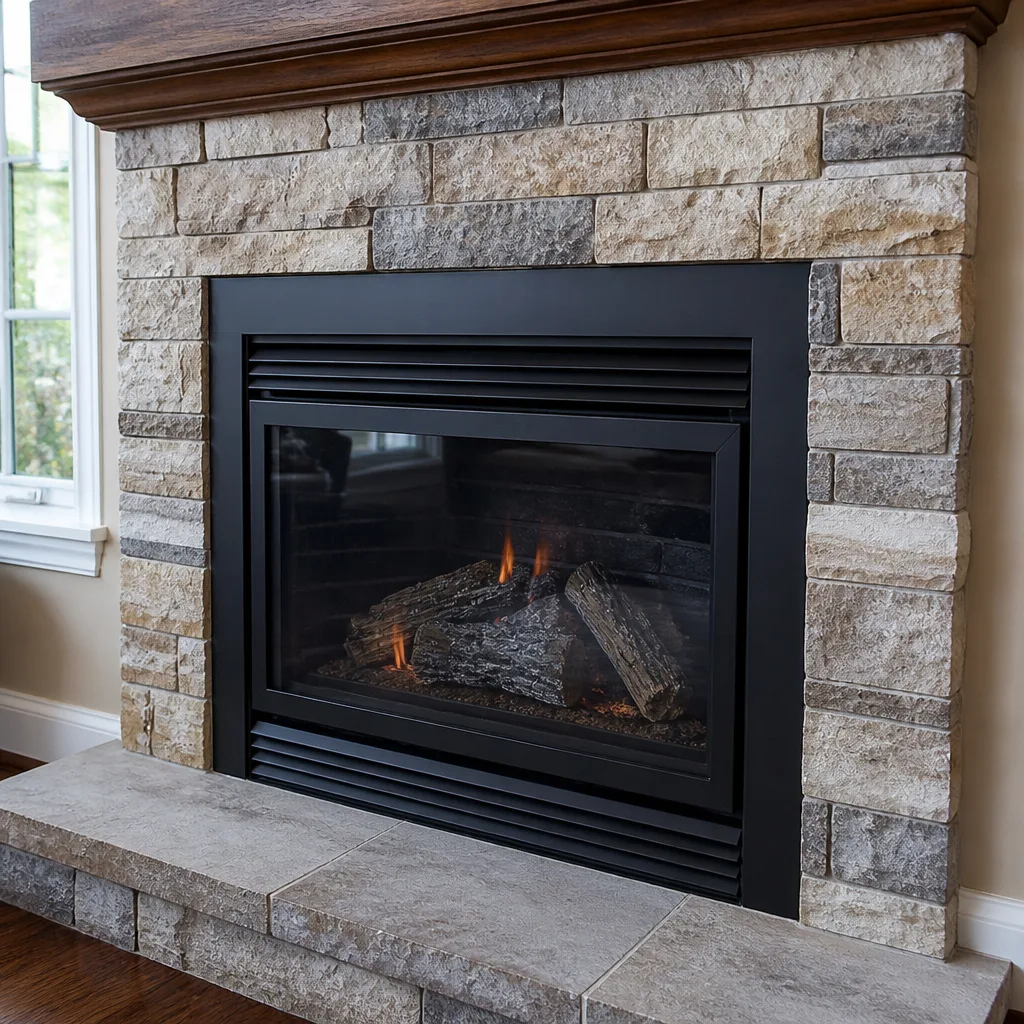 Gas fireplace service
Level 1 sweep and inspection to the NFPA 211 annual standard - flue, crown, cap, and flashing checked and photographed
Chimney sweep logs do not sweep chimneys. They loosen some creosote - which then falls where a brush and vacuum still have to collect it.
Chimney Cleaning Warning Signs: A Frankford Homeowner’s Reference Guide
A white haze on the brick face isn’t a cosmetic issue – it’s efflorescence, which means water is moving through the masonry from the inside out, and it’s been doing it long enough to dissolve and redeposit mineral salts. That’s the thing about chimney problems: they rarely announce themselves with drama. They show up as a faint smell you blame on the weather, a draft that feels a little sluggish, a stain you mean to look at later. By the time the signs are obvious, the damage usually isn’t. This guide walks through what your chimney is actually telling you, sorted by how fast you need to act, with the anatomy behind each symptom so the warning makes sense. We’ve written it for Frankford homeowners who burn wood or gas regularly and want to know what they’re looking at.
Quick Answer
The warning signs that mean stop using the fireplace immediately are smoke spilling into the room, a strong creosote smell after rain, and visible cracking inside the firebox. Slower signals like efflorescence on the brick, spalling masonry, or a draft that keeps getting weaker mean book a sweep within weeks. Minor crown weathering and slight damper stiffness can wait for your next scheduled sweep.
Styles & brands we work with
- Sweep & inspection
- Caps & crowns
- Flue relining
- Masonry repair
- Gas fireplace service
Table of Contents
- Sorting Warning Signs by Urgency
- What’s Actually Happening Inside Your Chimney
- Signs That Mean Stop Using the Fireplace Now
- Signs That Mean Schedule a Sweep Within Weeks
- Signs to Monitor at Your Next Sweep
- Warning Signs Outside the Chimney
- Warning Signs Specific to Gas Inserts and Wood Stoves
- What to Do in Each Scenario
Sorting Warning Signs by Urgency
Not every warning sign carries the same weight. Acknowledging that helps you make a sensible call in the moment instead of panicking about a weathered crown or ignoring a problem that actually needs the fire out tonight. Here’s how we sort them, and why.
Stop using the fireplace immediately: smoke backing into the room, a sharp creosote odor that appears or worsens after rain, visible cracking or crumbling inside the firebox, and any sign of rust or water staining on the firebox interior. These point to a blocked or compromised flue, and smoke that can’t leave through the chimney comes into your living space instead.
Schedule a sweep within weeks: a draft that’s noticeably weaker than last season, efflorescence on the exterior brick, spalling or flaking masonry, a cracked crown letting water in, and staining on the ceiling or wall near the flue. These are slow failures – real, but not overnight emergencies.
Monitor at your next sweep: slight damper resistance, minor crown weathering, a loose cap that still covers the flue, and light soot buildup on the firebox face. Nothing here requires a special visit, but it’s worth writing down so you don’t forget to raise it.
Frankford homes range from older rowhouses with original masonry chimneys to newer construction with factory-built systems, and the urgency reading differs. An older masonry chimney with efflorescence and spalling is a water-intrusion story that’s been developing for a while. A newer factory-built chimney showing the same signs is more unusual and worth a closer look. When in doubt, err toward stopping. If you’re unsure where your signs fall, a chimney sweep visit with a camera inspection will tell you with evidence you can see yourself.
What’s Actually Happening Inside Your Chimney
A chimney isn’t a hollow tube. It’s a system with layers that each do a job: the flue liner keeps combustion gases contained, the smoke chamber smooths the transition from firebox to flue, the damper controls airflow, the crown sheds water off the top, and the masonry and flashing keep water out of the structure. When any one of those layers fails, the symptom shows up somewhere else – which is why a smell or a stain rarely tells you the whole story by itself.
The liner is the piece homeowners hear about most and understand least. It’s the barrier between hot combustion gases and the surrounding structure. A cracked or deteriorated liner lets heat and gases escape into wall cavities and framing. That’s the mechanism behind most serious chimney fires and the reason a failing liner is a stop-using situation, not a schedule-it-later one.
Above the flue, the crown is the concrete or masonry cap at the top of the chimney. Its job is to shed rain off the structure and away from the flue opening. When the crown cracks, water gets into the masonry, freezes, expands, and works the brick apart from the inside. That’s the process that produces spalling brick and efflorescence below.
The smoke chamber sits between the firebox and the flue. It’s often rough and angled, which makes it a place where creosote can collect. A smoky fireplace that used to draw fine may have a smoke chamber problem rather than a flue blockage.
Down at the firebox, the damper regulates how much air gets to the fire and how much exhaust leaves. A damper that sticks or won’t seal properly affects draft and lets conditioned air escape up the flue when the fireplace isn’t in use.
All of these parts work together, and they fail in sequence. Water gets in through a cracked crown, soaks the masonry, degrades the liner over time, and slowly changes how the whole system drafts. That’s why we diagnose the system, not just the symptom. When you understand the anatomy, every warning sign downstream becomes readable.
Signs That Mean Stop Using the Fireplace Now
Some warning signs are a fine-to-stop-burning signal. These are the ones where you put the fire out, keep the fireplace cold, and book an inspection before using it again. The reason is straightforward: each of these signs points to a path that could carry smoke or carbon monoxide into your living space instead of up and out of the chimney.
- Smoke spilling back into the room. A puff of smoke when you first light a fire is common. Smoke that keeps backing into the room after the fire is established means the flue isn’t pulling. The cause could be a blockage (a bird nest, a collapsed liner section), a severely oversized flue for the firebox, or negative pressure in the house. All of them need diagnosis, and none of them are safe to burn through.
- A strong creosote smell after rain. Creosote is the residue left by wood smoke. When rainwater gets into the flue and contacts creosote deposits, it produces a sharp, acrid smell. That smell is a direct signal that water is entering the chimney from the top, usually through a missing cap or a cracked crown. It’s also a signal that creosote is present in quantity.
- Visible cracking or crumbling in the firebox. Hairline cracks in firebrick can widen with heat cycles. Crumbling mortar joints in the firebox mean the firebox is losing its ability to contain the fire. This is a structural warning and one of the clearest stop-using signs.
- Rust or water staining inside the firebox or on the damper. Rust on the damper or the firebox metalwork means water has been getting in and staying. That water degrades the components it touches and eventually the liner behind them.
- Any carbon monoxide alarm sounding while the fireplace is in use. Treat this as a confirmed emergency. Leave the space, ventilate, and call for professional evaluation. Don’t relight the fire until the chimney has been inspected.
If you’re seeing any of these, don’t wait for the next scheduled sweep. Close the damper if it will close, keep the fire out, and get a professional evaluation. We answer 24/7 at (833) 962-9222, and fast dispatch runs 7am to 7pm. A camera inspection will show you what’s happening inside the flue – you’ll see the evidence on screen before anyone recommends anything.
Signs That Mean Schedule a Sweep Within Weeks
These signals aren’t a stop-using emergency, but they’re past the “wait until fall” stage. Each one points to a failure that gets more expensive the longer it’s ignored. Getting someone out within a few weeks is the right response.
- A draft that keeps getting weaker. If you’re noticing less pull than last season, or the fire takes longer to establish, the flue is likely narrowing from soot and creosote buildup, or there’s a partial obstruction. Draft problems have a way of growing quietly until one day the fireplace simply won’t draw.
- Efflorescence on the exterior brick. The white, powdery haze on masonry is the visible evidence of water moving through the brick and carrying dissolved salts to the surface as it evaporates. It’s a slow signal of water intrusion, and it means the masonry is being worked on from the inside.
- Spalling brick or flaking mortar. When brick faces flake off or mortar joints crumble, the freeze-thaw cycle has been at work. Water gets into the masonry, freezes, expands, and pushes the surface apart. Spalling is what efflorescence looks like after a few more winters.
- A cracked crown at the top of the chimney. A crack in the crown lets water into the flue and the masonry structure with it. This is a fine-to-fix-now problem because it’s usually less expensive to repair a crown than to rebuild the masonry it damages.
- Staining on the ceiling or wall near the flue. A brownish or yellowish stain that appears on interior surfaces near the chimney’s path means water is finding its way through. It could be flashing at the roofline, the crown at the top, or the masonry itself, but it won’t fix itself.
- A musty smell in the basement or near the chimney base. Water migrating through masonry often ends up at the base of the chimney, where it produces a musty, damp smell. It’s easy to blame on the basement being a basement, but when the odor is concentrated near the chimney, that’s a signal.
Frankford’s climate gives these signs a rhythm. Wet winters and freeze-thaw cycles are hard on exterior masonry, which is why crown and flashing problems tend to show up as efflorescence and spalling by spring. Scheduling a chimney cap & crown inspection in the warmer months catches the source before the next freeze. If a crown crack or a failed cap has let water in for a while, the repair work sometimes extends to the flue itself, so the sooner we look, the more targeted the fix.
Signs to Monitor at Your Next Sweep
These signs are real but small. They don’t justify an emergency visit, but they should be written down and raised at your next scheduled sweep. The trick with these is not dismissing them just because they aren’t urgent.
- Minor crown weathering. Chalky, flaking concrete on the crown is the early stage of the failure that eventually becomes a crack. Worth flagging, and worth repairing before it spreads.
- Slight damper resistance. A damper that takes a little more effort to open and close is usually a hinge, pivot, or rust issue. It’s not a danger on its own, but a damper that stops sealing can hurt draft and let warm air escape in the off-season.
- A loose cap. If the cap is still covering the flue, the chimney is protected. If it’s loose enough to shift in a strong wind, it’s a matter of time before it falls out of place. Get it checked before the first good storm.
- Light soot on the firebox face. Minor soot buildup on the front of the firebox is normal. Heavy, dark, sticky soot deeper inside is a different story and belongs on the schedule-now list.
- A slightly sluggish cold-start draw. If lighting a fire takes a bit more effort than it used to, it may only be a small obstruction or a slight accumulation. Worth mentioning, not worth waking up to.
An annual chimney sweep is the natural moment to raise these. During the visit, the technician checks the components and shows you what they find on camera. That way the small signs stay small. We’ve seen plenty of chimneys where a minor crown issue from one season became a liner problem the next. The monitor list is where you keep an eye on the slow fails.
Warning Signs Outside the Chimney
Not every sign is visible from the fireplace. Some of the most telling evidence shows up on the roof, the ceiling, and in the basement. Here’s what we look for outside the chimney itself, and what each sign points to.
- White haze on the brick (efflorescence). The classic sign of moisture migration. It’s the visible evidence that water has been moving through the masonry, dissolving mineral salts, and leaving them on the surface. If it comes back after you brush it off, the source is still active.
- Flaking or crumbling brick faces (spalling). The next stage. Freeze-thaw cycles after water intrusion work the brick apart. Small spalls can be repaired; widespread spalling likely means the masonry needs more serious attention.
- Cracked or missing crown. The crown is the first line of defense against water. A crack here lets water into the flue and structure every time it rains.
- Failed flashing at the roofline. The seal between the chimney and the roof is a common leak point. Water stains on the roof deck or ceiling near the chimney often trace back to flashing rather than the flue.
- Ceiling or wall stains near the flue pathway. Brownish or yellowish staining on interior surfaces is a strong signal of water intrusion through the chimney system. Don’t paint over it; find the source.
- Musty smell in the basement or at the chimney base. Water migration through masonry ends up at the low point, and the smell follows.
The roof work that accompanies crown and flashing repairs is part of what a chimney specialist handles, and it falls under chimney repair. We work with Gelco and Copperfield products for caps and crowns, and those brands are chosen because they hold up to the weather a Pennsylvania chimney actually sees. If you’re standing in the driveway looking up and wondering whether that white haze is just age, it’s worth a professional look with photos you can keep for reference.
Warning Signs Specific to Gas Inserts and Wood Stoves
Gas fireplace inserts and wood stoves don’t behave like open masonry fireplaces, and their warning signs differ accordingly. If you have one of these in Frankford, the list you should be watching has some overlap with the section above and some items that don’t apply to open fireplaces at all.
Gas fireplace inserts
- Delayed ignition or a small explosion on light-up. A whoosh or a pop when the burner lights means gas has accumulated before ignition. This is a combustion issue, not a cosmetic one, and it should be evaluated by a professional before the fireplace is used again.
- A yellow, lazy flame instead of a crisp blue one. A change in flame color and shape points to a combustion or venting problem. Since gas inserts rely on a properly functioning vent to remove combustion products, any change in flame quality deserves a check.
- Soot on the glass or the logs. Soot accumulation on the front glass or the ceramic logs means the burner is producing more soot than it should. Usually a sign of an adjustment or airflow problem.
- A fuel smell near the unit. Any detectable gas smell is a reason to stop using the fireplace and have it looked at. Don’t wait for the next seasonal check.
- Rust on the vent or the firebox interior. Water getting into the vent system means the vent isn’t sealed properly at the top. Gas vents are smaller than masonry flues but equally sensitive to water and blockage.
Wood stoves
- Smoke backing into the room on reload or on startup. Wood stoves have less inherent draft margin than open fireplaces, so a partial blockage shows up faster. Smoke spill is a stop-using sign.
- Creosote glaze on the baffle, pipe, or firebox walls. Glazed creosote is the harder, shinier form of creosote, and it’s the kind that fuels the hottest chimney fires. It also needs a different cleaning approach than loose soot.
- A stove that won’t hold a fire overnight anymore. A wood stove that used to hold coals for hours and now burns through fast has a draft or sealing problem – often a gasket issue or a pipe connection that’s degraded.
- Rust on the stovepipe or stove top. Rust on the pipe usually means water is getting in at the top of the vent system, and it’s a signal to inspect the cap and the connections.
Famco and Olympia Chimney components are what we use on stove and insert venting because they’re designed for the tighter tolerances these appliances require. If you have a gas insert and you’re not sure whether your warning sign is serious, call (833) 962-9222. We answer 24/7. Fast dispatch is from 7am to 7pm.
What to Do in Each Scenario
Knowing what a sign means is half the answer. Knowing what to do next is the other half. Here’s how we recommend responding to each category.
- For stop-using signs (smoke spill, strong creosote odor after rain, cracked firebox, rust in the firebox): put the fire out and keep the fireplace cold. Close the damper if it will close cleanly. Open a window briefly to ventilate if there’s smoke in the room. Then call for a camera inspection before using the fireplace again. Don’t burn through a stop-using sign and plan to “get to it later.”
- For schedule-within-weeks signs (weak draft, efflorescence, spalling, cracked crown, ceiling stains): book a sweep and inspection. In the meantime, note when the symptom gets worse (after rain, during cold snaps, when the fire is first lit). That pattern is useful diagnostic information for the technician.
- For monitor-at-next-sweep signs (minor crown weathering, slight damper resistance, loose cap): write it down and drop a note in your calendar reminder for the next sweep. Take a phone photo of the crown and the cap from the ground if you can get a safe angle. Photos make it easy to spot changes from one season to the next.
- For gas insert signs (delayed ignition, yellow flame, soot on glass): stop using the insert until it’s checked. If you smell gas, leave the room, ventilate, and don’t relight.
- For wood stove signs (smoke on reload, glazed creosote, poor heat retention): schedule a sweep and a stove inspection before the heating season gets underway. Glazed creosote in particular needs the right tools and technique.
Whichever scenario you’re in, ask for a camera inspection as part of the visit and ask to see the video. That’s the difference between a recommendation you can evaluate and one you have to take on faith. It’s also the reason we’ve built a service that covers the full system – sweep, cap and crown, liner, rebuild, and fireplace repair – under one roof. You shouldn’t have to call three contractors to get one answer.
Common Mistakes to Avoid
- Treating efflorescence as a cosmetic problem. The white haze isn’t surface dirt. It’s evidence that water is moving through the masonry and has been for a long time. Painting over it traps the moisture and makes the problem worse.
- Burning through a stop-using sign “just once more.” Smoke spilling into the room or a cracked firebox isn’t a small risk to gamble on. Put the fire out and get it looked at.
- Skipping the annual sweep because the fireplace “works fine.” A fireplace that lights and burns doesn’t confirm the liner is intact. The whole point of an annual inspection is to catch the failures that don’t affect how the fire burns, at least not yet.
- Assuming a modern home doesn’t need an inspection. Frankford’s newer construction with factory-built chimney systems still needs annual inspection. Those systems have their own wear pattern and their own failure modes.
- Calling a general handyman for a chimney issue. A chimney is a specific system, and problems that look like “just a leak” often turn out to be liner, crown, or flashing issues. A chimney-only specialist catches what a generalist misses.
- Cleaning the chimney once and assuming that’s enough. Chimney maintenance is a cycle. What you find during one sweep tells you what to watch for on the next one.
- Ignoring a musty basement smell near the chimney base. Water doesn’t stay where it lands. It travels down through the masonry and shows up at the lowest point. A musty smell is the visible – well, smellable – evidence that water is moving.
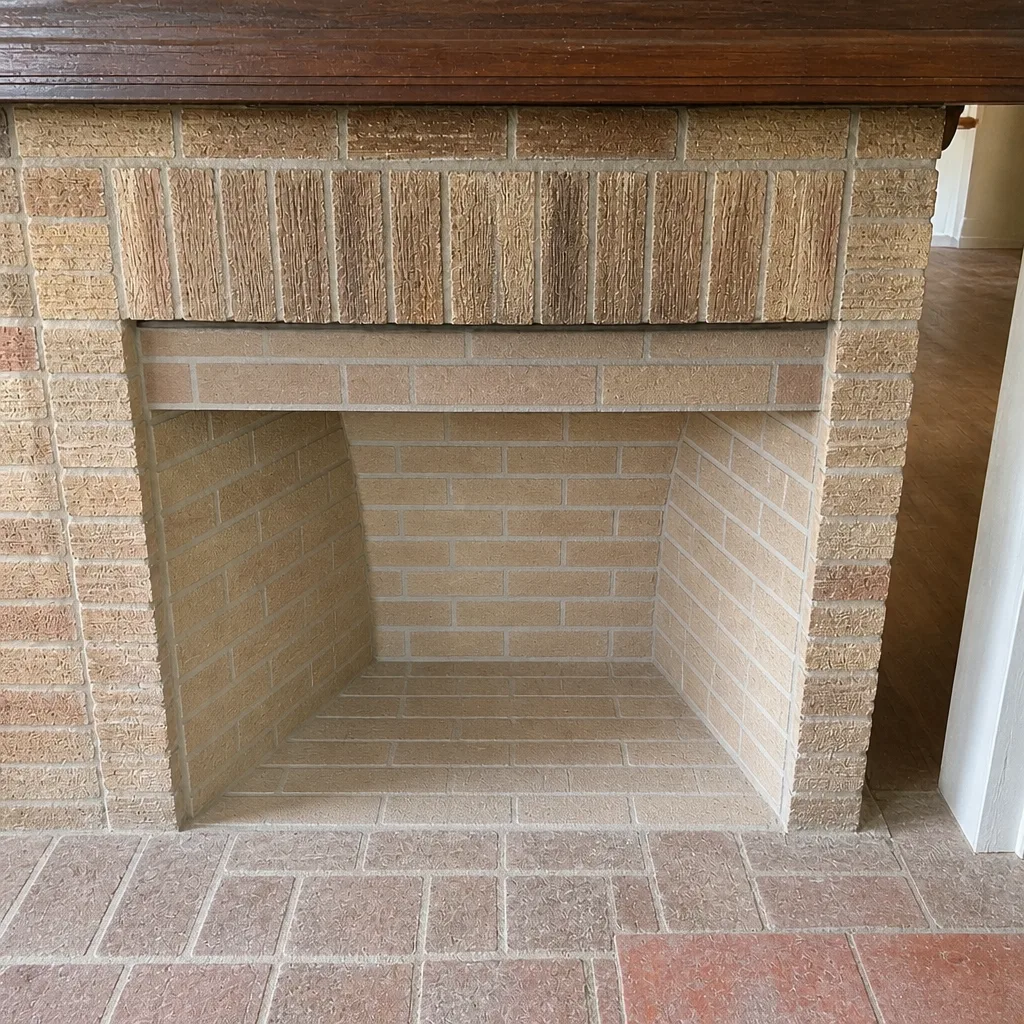
See the difference
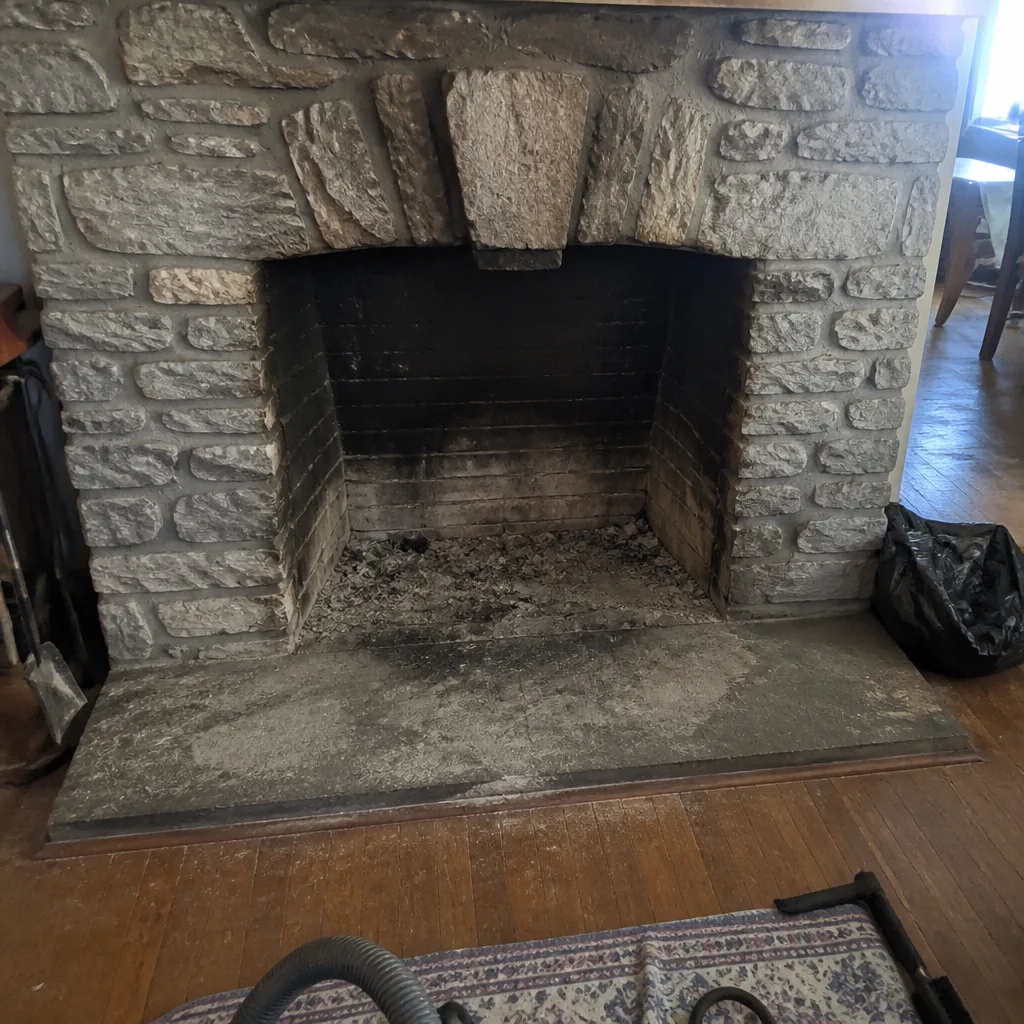 Before
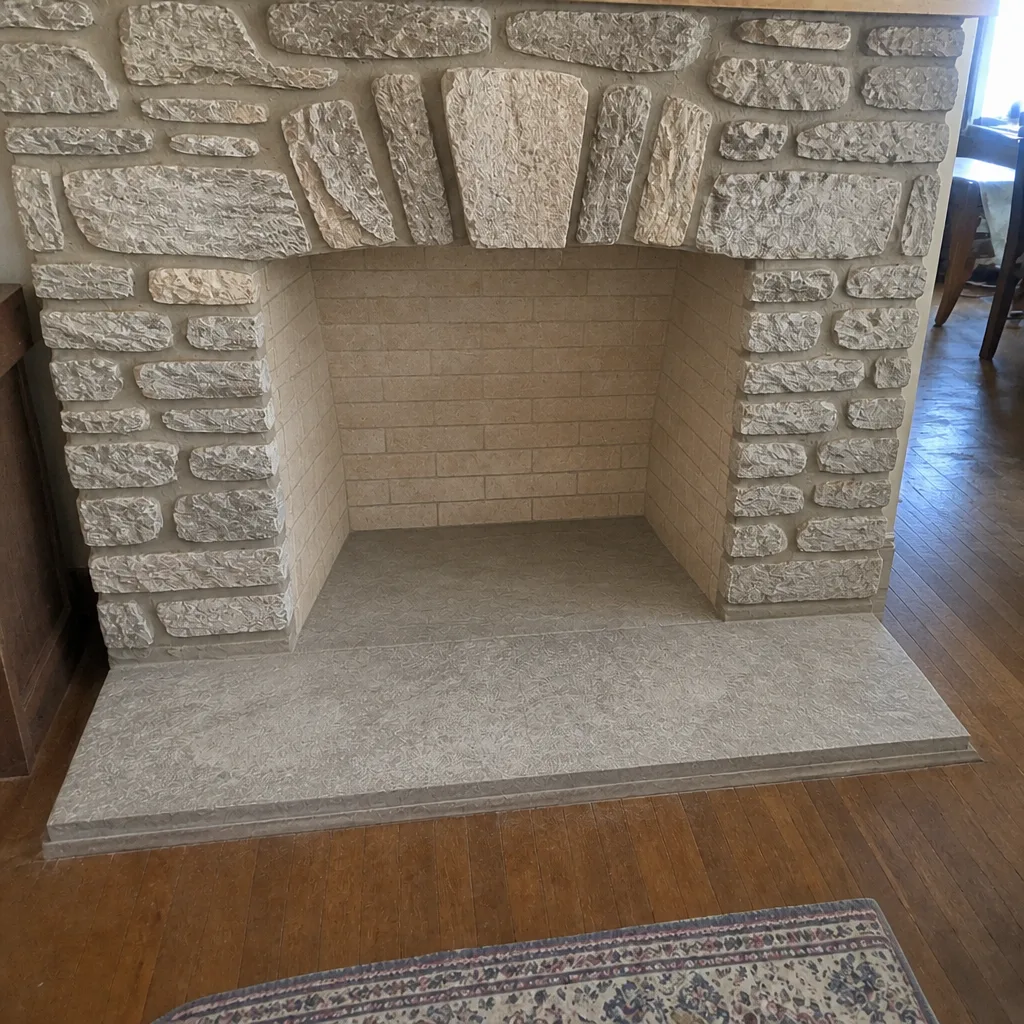 After
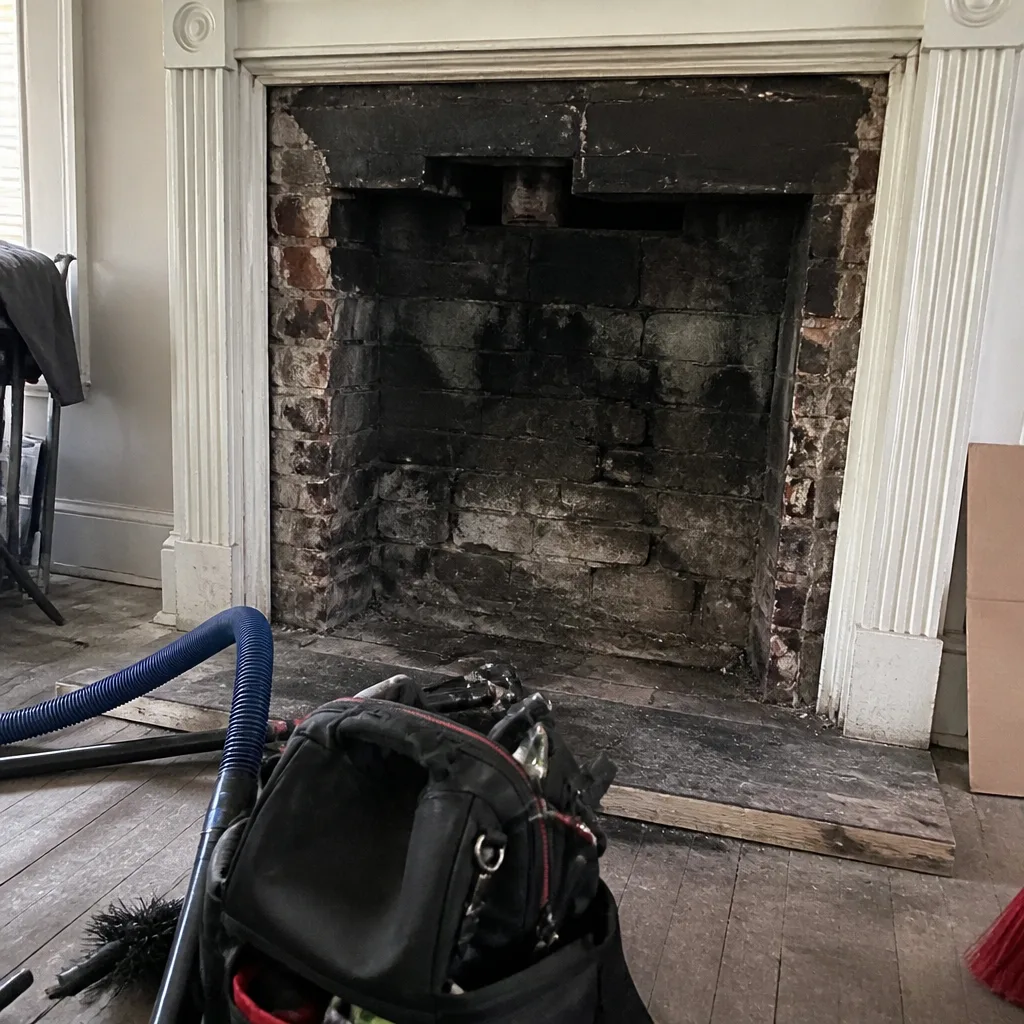
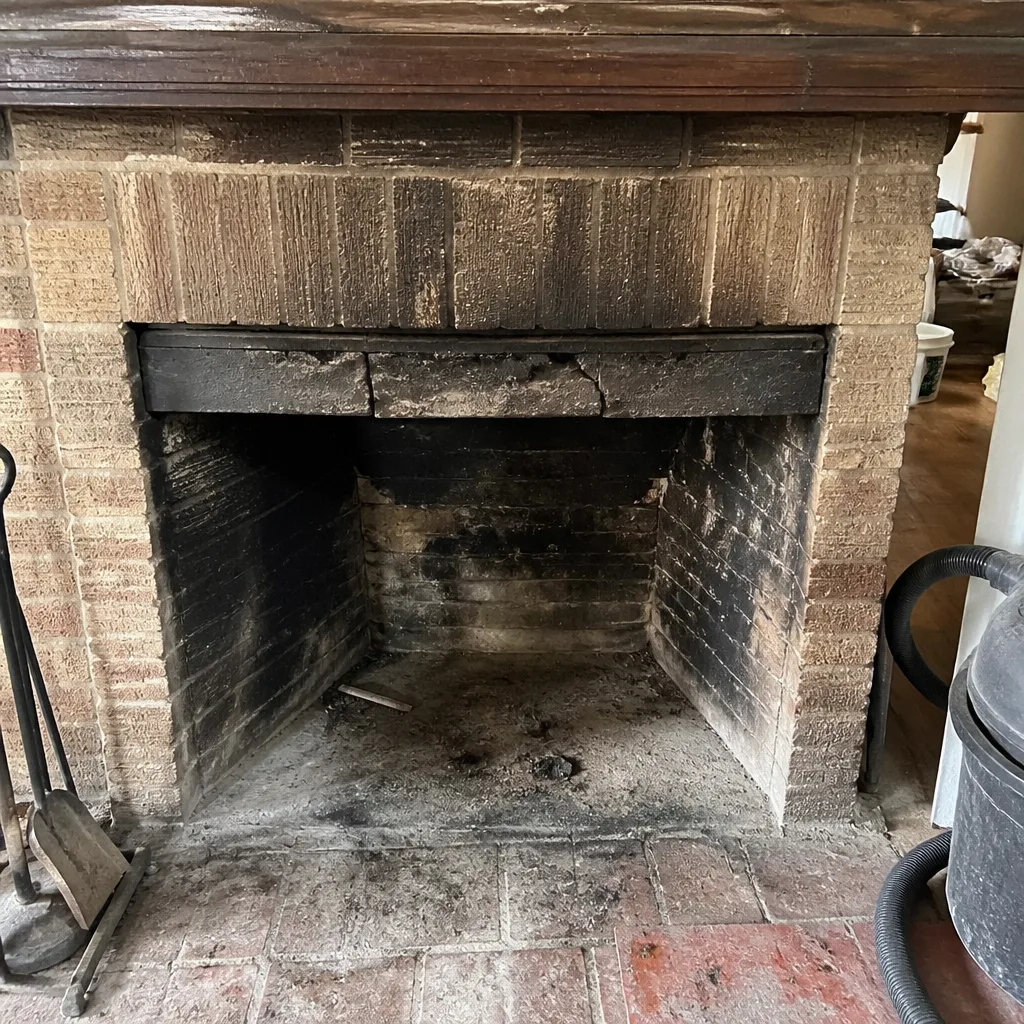 Before
 After
 Before
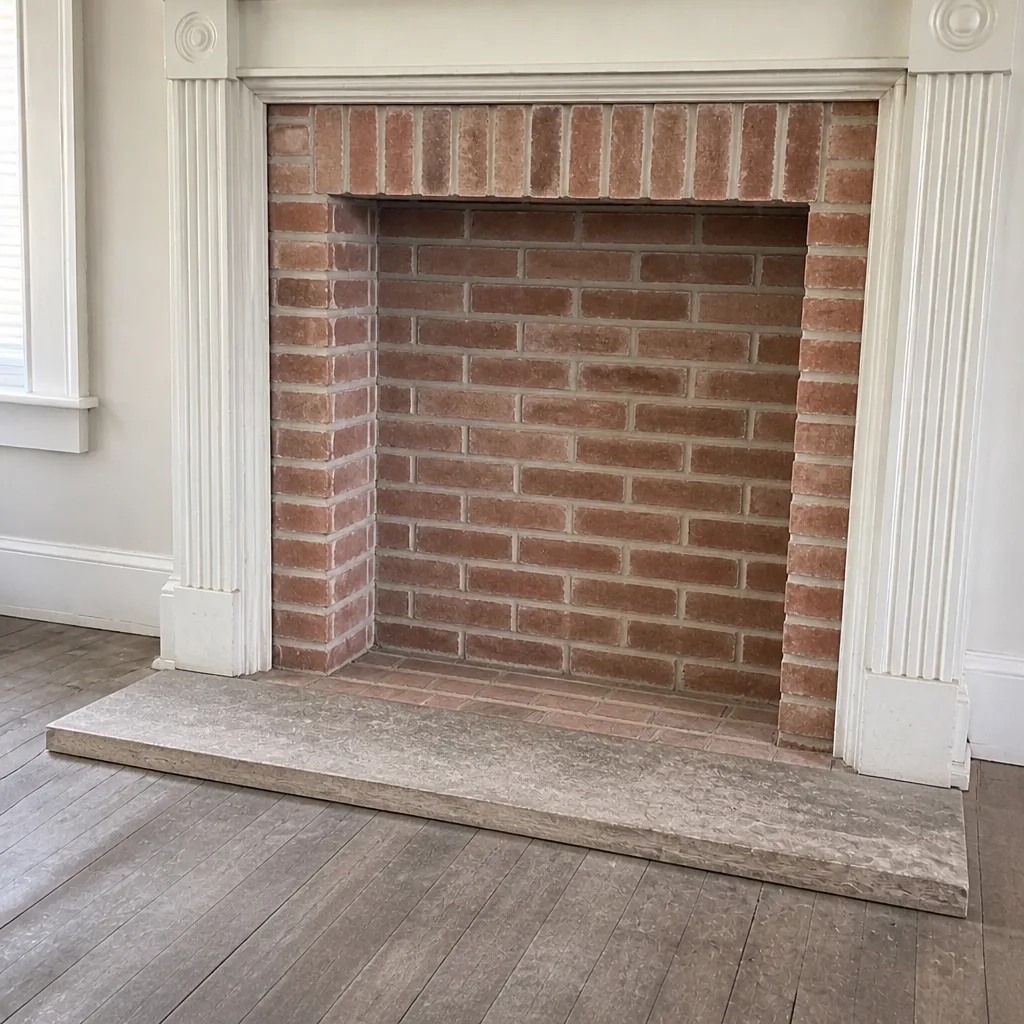 After
When to Call a Professional
Some signs are fine to note and monitor. Others should bring a chimney specialist out within days, not weeks. Call us if you’re seeing smoke spill into the room, a strong creosote odor that worsens after rain, any visible cracking inside the firebox, rust on the damper or firebox interior, a carbon monoxide alarm sounding while the fireplace is in use, or any of the gas insert signs – delayed ignition, a yellow flame, or soot on the glass.
The other category worth calling about is a new-to-you home. If you’ve just moved into an older Frankford property and haven’t had a chimney inspection yet, do that before the first fire of the season. A full-system inspection is the only reliable way to know what you’re starting with. Chimney Sweep Frankford offers free estimates in Frankford – call (833) 962-9222. We answer 24/7. Fast dispatch is from 7am to 7pm.
Frequently Asked Questions
The most serious are smoke spilling into the room, a strong creosote smell after rain, cracked or crumbling firebox brick, rust inside the firebox, and a carbon monoxide alarm while the fireplace is in use. All of these point to a compromised flue or a water-intrusion problem that has reached the liner. Stop using the fireplace and call for a professional inspection before lighting another fire. Call (833) 962-9222 for an exact quote – estimates are free.
A chimney should be swept once a year for most homes, and more often if you burn wood frequently through the heating season. The annual sweep also functions as the inspection that catches developing problems early. Frankford’s freeze-thaw winters are hard on exterior masonry, so the annual visit is as much about the crown and flashing as it is about the flue. Call (833) 962-9222 to book a sweep – estimates are free.
That smell is a signal that water is getting into the flue and contacting creosote deposits, usually because the cap is missing or the crown is cracked. It’s not a weather accident – it’s your chimney telling you a water path has opened up. It also means there’s enough creosote present to react with the moisture, which is worth knowing. Get it looked at before the next rain. Call (833) 962-9222 for an exact quote – estimates are free.
No. The white haze is efflorescence, and it’s evidence that water has been moving through the masonry and bringing dissolved mineral salts to the surface. Painting traps that moisture inside the brick, and the underlying problem keeps progressing. The right fix is to find and close the water path – usually at the crown, the flashing, or the cap. Call (833) 962-9222 for an exact quote – estimates are free.
Gas inserts produce different signals than wood-burning fireplaces: delayed ignition (a whoosh or pop on light-up), a change in flame color from blue to yellow, soot on the glass or logs, and any detectable gas smell. Each of these points to a combustion or venting issue, and each is a reason to stop using the insert until it’s checked. Call (833) 962-9222 for an exact quote – estimates are free.
It’s a fair question, and the answer should always be shown to you, not just told to you. A chimney specialist should perform a camera inspection and show you the condition of the liner before recommending replacement. HeatShield ceramic liner repair is a middle path – a restorative repair that can extend the life of a liner and is unavailable from sweep-only providers, which is why we carry it. If your liner is sound, no reputable specialist will recommend replacement. Call (833) 962-9222 for an exact quote – estimates are free.
Frequently Asked Questions (Additional)
Creosote keeps accumulating in the flue until the buildup becomes a fire risk, and small water-intrusion problems keep worsening until they reach the liner and the structure behind it. Most of the serious chimney failures we diagnose are the product of problems that were visible as warning signs long before they became expensive. Skipping the sweep means not seeing the signs. Call (833) 962-9222 for an exact quote – estimates are free.
Yes, but it’s rarely the biggest problem in the chimney. Rust on the damper or firebox means water has been getting in and staying long enough to corrode the metal. The damper is a symptom; the source of the water is the priority. Once the source is closed, the damper rust is an easy fix. Call (833) 962-9222 for an exact quote – estimates are free.
Staining on the ceiling or wall near the chimney’s pathway is a strong signal of water intrusion, and the source is almost always at the roofline – the crown, the flashing, or the masonry. It’s in the schedule-within-weeks category unless there’s active dripping, in which case it’s sooner. Don’t paint over it; find the source. Call (833) 962-9222 for an exact quote – estimates are free.
Carbon monoxide exposure is a medical emergency. If an alarm sounds while the fireplace is in use, leave the space, ventilate, call emergency services if anyone has symptoms, and don’t relight the fireplace until a professional has inspected the chimney. A properly functioning chimney keeps combustion gases where they belong; a failing one doesn’t. Call (833) 962-9222 after the immediate safety situation is resolved – estimates are free.
Ready to Schedule a Sweep?
From annual sweep to full liner rebuild – one specialist, start to finish. If you’re seeing any of the warning signs in this guide, or if you’ve just moved into a Frankford home and haven’t had the chimney inspected, call (833) 962-9222. We answer 24/7. Fast dispatch is from 7am to 7pm, Sunday through Friday. A camera inspection is included with the visit, and we’ll show you what we find before recommending anything – you see the evidence for yourself. Every job starts with a written estimate, and the estimate is free. Whether it’s a cracked crown or a deteriorating liner, we diagnose the system, not just the symptom.
The Bottom Line
Chimney warning signs are rarely dramatic. The most serious ones – smoke spilling into the room, a creosote smell after rain, cracked firebox brick – can look and feel like minor inconveniences until you understand what’s behind them. The slower signals – efflorescence, spalling, weak draft, ceiling stains – are water and wear telling you they’ve been at work for a while. Sorting them by urgency and responding accordingly is what keeps a chimney functional and a home safe. From annual sweep to full liner rebuild, this is the work we handle in Frankford and the surrounding area, and it’s the only work we do. If something on this list has you wondering, call us at (833) 962-9222. We answer 24/7.
Written by the team at Chimney Sweep Frankford.